
Contents
Overview
The precise origin of the term "cocktail" remains a subject of spirited debate, with theories ranging from a French apothecary's "coquetier" (egg cup) to a horse's "cock's tail" plume used as a stirrer. However, the concept of mixing spirits with other ingredients dates back centuries, with early precursors like punches and slings gaining popularity in the 17th and 18th centuries. The Prohibition era in the United States (1920-1933) ironically spurred creativity as bartenders sought to mask the harsh taste of illicit spirits, leading to the development of more complex and flavorful drinks. Post-Prohibition, the cocktail landscape evolved through various trends, from the tiki craze of the mid-20th century to the rise of the Vodka Martini in the latter half of the century, each era adding new recipes and techniques to the mixology canon.
⚙️ How It Works
At its core, a cocktail recipe is a formula designed to achieve a specific sensory experience. Shaking with ice chills and aerates a drink, creating a lighter texture, while stirring achieves a silky, clear consistency. The choice of glassware, the type of ice used, and the final garnish all play integral roles in the overall presentation and perception of the drink, transforming a simple mixture into a curated experience. Understanding the interplay of these elements is what separates a well-made cocktail from a mere mixed drink.
📊 Key Facts & Numbers
Globally, there are an estimated 100,000+ distinct cocktail recipes, with new ones being invented daily. The global spirits market, a key driver of cocktail consumption, was valued at over $1.5 trillion in 2023. A single classic cocktail, like the Negroni, is often made with a 1:1:1 ratio of gin, Campari, and sweet vermouth, a simple formula that has captivated drinkers for over a century. The average cost of a craft cocktail in a major city can range from $15 to $25, reflecting the quality of ingredients and the skill of the mixologist. It's estimated that over 500 million cocktails are consumed annually in the United States alone. The World Class cocktail competition, sponsored by Diageo, showcases hundreds of thousands of entries from bartenders worldwide each year, highlighting the sheer volume of innovation.
👥 Key People & Organizations
Many individuals have shaped the world of cocktail recipes. Jerry Thomas, often hailed as the "father of American mixology," published the first definitive cocktail book in 1862. Later, figures like Harry Craddock of London's Savoy Hotel popularized many classics through his "Savoy Cocktail Book" (1930). In the modern era, bartenders like Dale DeGroff (King Cocktail) and David Arnold have been instrumental in reviving classic techniques and ingredients, leading the "craft cocktail" movement. Organizations such as the United States Bartenders' Guild (USBG) and the International Bartenders Association (IBA) play crucial roles in standardizing recipes, training professionals, and promoting cocktail culture globally. Websites like Liquor.com and Difford's Guide serve as vast digital encyclopedias of recipes and spirits knowledge.
🌍 Cultural Impact & Influence
Cocktail recipes are more than just instructions; they are cultural artifacts that reflect societal trends, historical events, and regional identities. The Mojito, with its Cuban origins, embodies a vibrant, tropical spirit, while the Manhattan speaks to the sophisticated urbanity of New York City. The proliferation of cocktail culture has influenced fashion, music, and film, with iconic drinks often appearing in popular media, further cementing their place in the collective consciousness. The rise of home bartending, accelerated by platforms like YouTube and TikTok, has democratized cocktail creation, allowing enthusiasts to experiment with complex recipes and share their own innovations. This widespread engagement has elevated the cocktail from a simple drink to a form of culinary art and social expression.
⚡ Current State & Latest Developments
The current landscape of cocktail recipes is characterized by a dynamic interplay between tradition and innovation. While classics like the Daiquiri and Whiskey Sour remain perennial favorites, there's a significant surge in experimental ingredients and techniques. Low-ABV (alcohol by volume) and non-alcoholic cocktails are gaining substantial traction, driven by health-conscious consumers and a desire for inclusivity. Bartenders are increasingly incorporating sustainable practices, using locally sourced ingredients and minimizing waste, which influences recipe development. Furthermore, the influence of global cuisines is evident, with recipes featuring ingredients like yuzu, matcha, and exotic spices becoming more common. Digital platforms continue to be central to recipe dissemination, with many bars and brands releasing exclusive digital recipe books.
🤔 Controversies & Debates
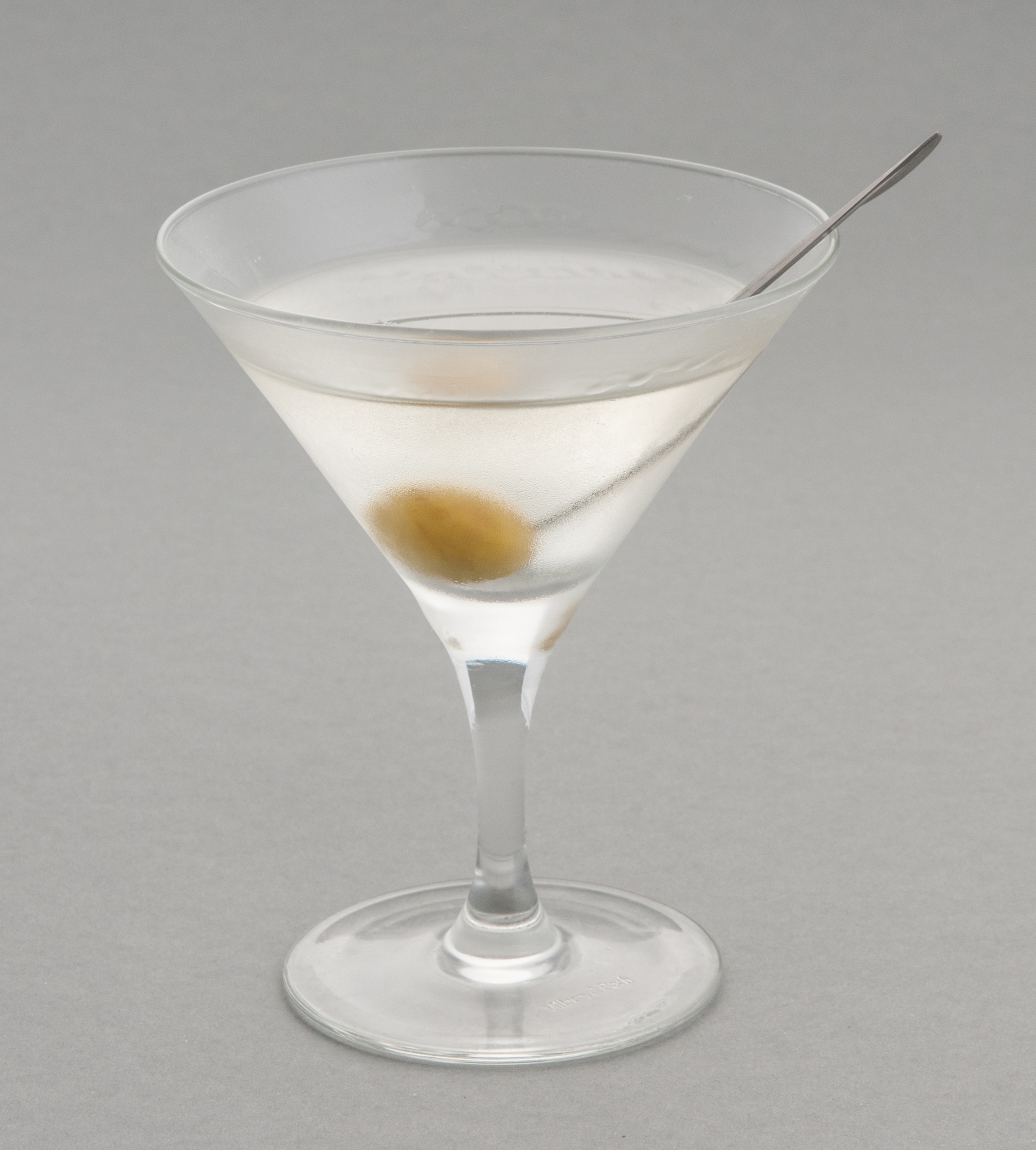
One of the most persistent debates in cocktail recipes revolves around authenticity and interpretation. Should a classic recipe be adhered to strictly, or is there room for creative evolution? The Martini controversy, for instance, highlights the vast differences in opinion regarding the ideal gin-to-vermouth ratio and the use of garnishes. Another point of contention is the definition of a "true" cocktail, with some purists arguing that drinks containing only spirits and modifiers (like a Manhattan) are more authentic than those with juices or sodas. The commercialization of cocktail culture also sparks debate, with concerns about the homogenization of recipes and the potential for "craft" to become a mere marketing buzzword. The ethical sourcing of ingredients and the environmental impact of cocktail production are also increasingly scrutinized.
🔮 Future Outlook & Predictions
The future of cocktail recipes points towards greater personalization and technological integration. Expect to see more AI-driven recipe generators that can tailor drinks to individual taste preferences, dietary needs, and even mood. The use of molecular mixology techniques, once confined to high-end bars, may become more accessible, allowing for novel textures and flavor presentations. Sustainability will likely become an even more dominant theme, with recipes designed around zero-waste principles and the utilization of upcycled ingredients. Furthermore, as global travel and cultural exchange continue, cocktail recipes will likely become even more hybridized, drawing inspiration from a wider array of international flavors and traditions. The line between bartender and chef will continue to blur, with an emphasis on culinary-grade ingredients and techniques.
💡 Practical Applications
Cocktail recipes are fundamental to the hospitality industry, forming the backbone of bar operations worldwide. They are essential tools for training new bartenders, ensuring consistency in drink preparation, and managing inventory. Beyond professional settings, cocktail recipes empower home enthusiasts to recreate bar-quality drinks in their own kitchens, fostering social gatherings and personal enjoyment. They also serve as a basis for culinary innovation, with cocktail flavors and ingredients inspiring desserts, sauces, and other food items. Furthermore, the development of non-alcoholic cocktail recipes is opening up new markets and catering to a broader demographic, demonstrating the adaptability and expanding utility of mixology principles. The precise measurement and balanced approach inherent in cocktail recipes can even be applied metaphorically to other fields requiring careful combina
Key Facts
- Category
- culture
- Type
- topic