
Contents
- 🍊 What Exactly *Is* Citrus?
- 🌍 A Global History of Zest
- 🍋 The Big Players: Oranges, Lemons, Limes & More
- 📈 The Economics of the Citrus Belt
- 🔬 The Science Behind the Squeeze
- 💡 Cultivars: The Endless Variety
- 🌱 Growing Your Own Citrus
- 🍽️ Citrus in the Kitchen: Beyond Juice
- ⚠️ The Challenges Facing Citrus
- 🌟 The Future of Flavor: Innovation & Sustainability
- Frequently Asked Questions
- Related Topics
Overview
Citrus fruits, a vibrant family encompassing oranges, lemons, limes, grapefruits, and mandarins, are far more than just a source of vitamin C. Their history is deeply intertwined with human migration and trade, originating in Southeast Asia and spreading across the globe over millennia. Today, citrus production is a colossal global industry, with countries like China, Brazil, India, and the United States leading the charge. Beyond their culinary ubiquity, citrus fruits are central to perfumery, traditional medicine, and even industrial applications, showcasing a remarkable versatility that continues to shape economies and cultures.
🍊 What Exactly *Is* Citrus?
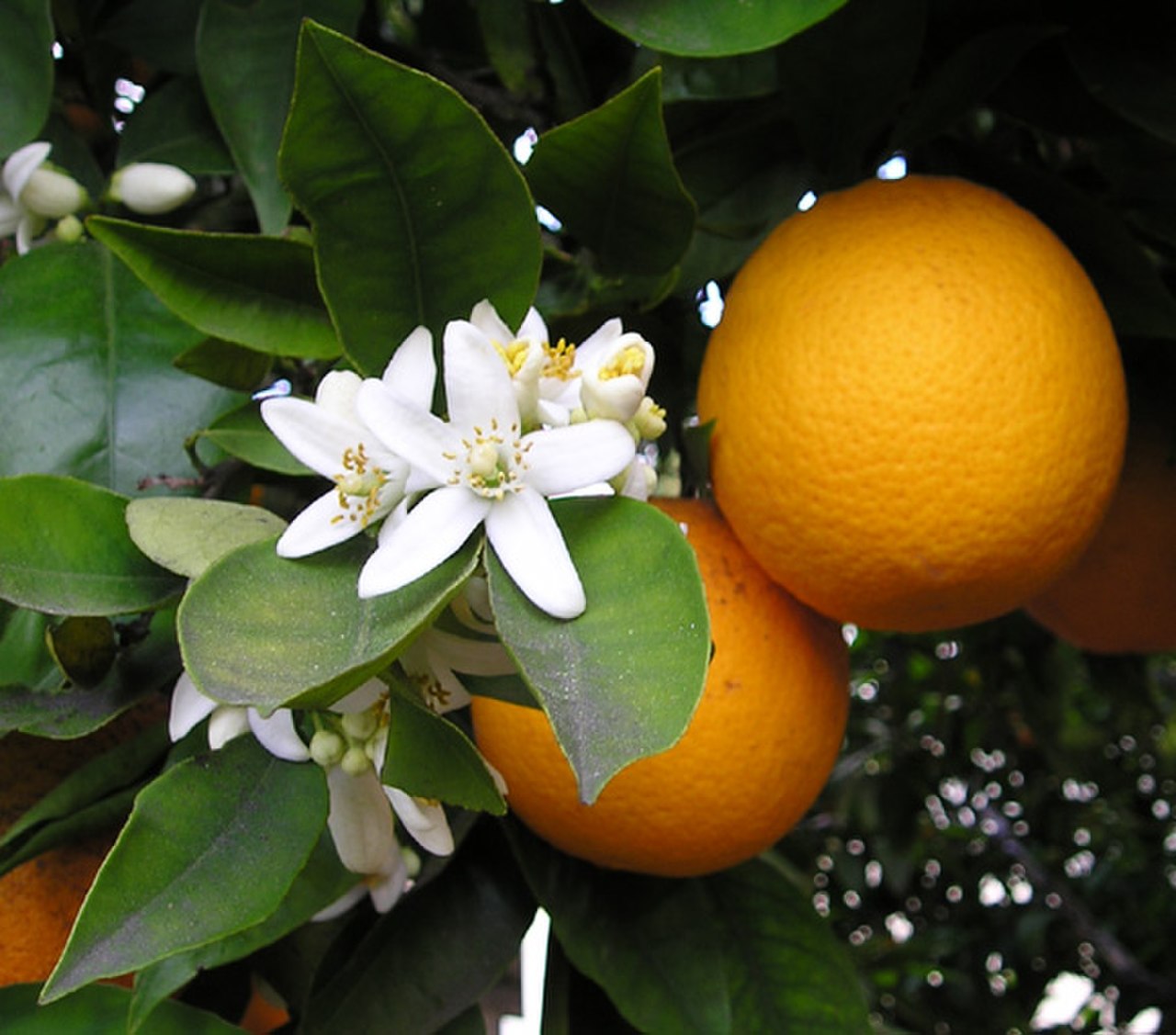
Citrus isn't just a fruit; it's a genus, Citrus, within the Rutaceae family, encompassing a vibrant array of flowering trees and shrubs. These plants are the source of our beloved citrus fruits, a category that includes ancient staples like the citron and pomelo, alongside the more commonly recognized mandarins. The defining characteristic is the fruit's leathery rind, segmented pulp, and, of course, that unmistakable zesty, acidic flavor profile. This genus forms the bedrock of countless culinary traditions worldwide, offering both refreshing sweetness and sharp tang.
🌍 A Global History of Zest
The history of citrus is a sprawling epic, tracing back millennia to Southeast Asia, likely the foothills of the Himalayas. Early fruits like the citron were prized for their fragrant rinds and medicinal properties, spreading slowly along ancient trade routes. The mandarin followed, eventually leading to the development of the common orange through cross-pollination. By the 15th century, Portuguese explorers were instrumental in introducing citrus to Europe, where it became a symbol of wealth and exoticism. The subsequent colonization of the Americas saw citrus seeds carried across the Atlantic, establishing what we now call the citrus belt.
🍋 The Big Players: Oranges, Lemons, Limes & More
When most people say 'citrus,' they're thinking of a few heavy hitters. The orange, a hybrid likely between a pomelo and a mandarin, is king, dominating global production. Then there are the lemons, with their intense acidity, and limes, offering a sharper, more floral tartness. Grapefruits, another hybrid, bring a distinct bitterness. Even within these categories, the variety is staggering, from the sweet navel orange to the Meyer lemon, a natural hybrid of a lemon and a mandarin or orange.
📈 The Economics of the Citrus Belt
The global citrus industry is a multi-billion dollar powerhouse, with production concentrated in a band around the equator known as the citrus belt. Countries like Brazil, China, India, and the United States (particularly Florida and California) are major players. The economics are complex, influenced by weather patterns, disease outbreaks, labor costs, and fluctuating global demand for fresh fruit, juice, and essential oils. The value chain extends from smallholder farmers to massive multinational corporations, each vying for a slice of the zest.
🔬 The Science Behind the Squeeze
The characteristic flavor and aroma of citrus fruits are thanks to a complex cocktail of compounds, primarily citric acid and limonene. Citric acid, a weak organic acid, is responsible for the sour taste and is also a key component in the Krebs cycle, a fundamental metabolic pathway. Limonene, found in high concentrations in the rind's oil glands, provides the distinct citrus scent and is used extensively in perfumes and flavorings. The peel's essential oils are also a significant economic byproduct, extracted for use in food, cosmetics, and cleaning products.
💡 Cultivars: The Endless Variety
The true magic of citrus lies in its incredible cultivar diversity, a testament to centuries of natural hybridization and human selection. Beyond the standard varieties, we have blood oranges with their ruby-red flesh, Cara Cara oranges with a pink hue and berry-like notes, and the unique finger lime, whose pulp consists of tiny, caviar-like vesicles. This genetic richness is crucial for adapting to different climates and consumer preferences, though it also presents challenges in maintaining uniformity for large-scale commercial production.
🌱 Growing Your Own Citrus
Dreaming of your own backyard lemonade stand? Growing citrus at home is surprisingly feasible, especially in warmer climates. Many varieties, like dwarf citrus trees, are well-suited for container gardening, allowing you to bring them indoors during colder months. Key to success are well-draining soil, ample sunlight (at least 6-8 hours daily), and consistent watering. Choosing the right variety for your local climate is paramount; research options like the kumquat or Meyer lemon for easier home cultivation.
🍽️ Citrus in the Kitchen: Beyond Juice
Citrus is far more than just a source of juice. Its zest, the brightly colored outer layer of the peel, is a flavor powerhouse, adding aromatic depth to baked goods, marinades, and sauces. Segments can elevate salads, while candied peels offer a sweet, chewy treat. The acidity of citrus juice acts as a tenderizer in marinades and a brightener in dressings, cutting through richness and balancing flavors. From marmalade to ceviche, citrus is an indispensable ingredient for adding that essential spark.
⚠️ The Challenges Facing Citrus
The citrus industry faces significant threats, most notably citrus greening disease (also known as Huanglongbing or HLB). This devastating bacterial disease, spread by an insect vector, causes fruit to become bitter, misshapen, and unmarketable, and can kill trees within a few years. Other challenges include the impacts of climate change on growing regions, water scarcity, and the constant pressure to manage pests and diseases sustainably without relying heavily on chemical interventions.
🌟 The Future of Flavor: Innovation & Sustainability
The future of citrus hinges on innovation and resilience. Researchers are actively developing disease-resistant citrus varieties and exploring novel pest control methods. Beyond disease management, there's a growing interest in exploring underutilized citrus species and developing new hybrids with unique flavor profiles and enhanced nutritional content. The drive towards sustainable agriculture, including organic farming practices, will also shape how we cultivate and consume these vital fruits, ensuring their zesty legacy continues.
Key Facts
- Year
- Circa 2023
- Origin
- Southeast Asia
- Category
- Food & Agriculture
- Type
- Topic
Frequently Asked Questions
What is the difference between a lemon and a lime?
While both are acidic citrus fruits, lemons generally have a higher concentration of citric acid, making them taste more sour. Limes often have a more floral aroma and a slightly sharper, more bitter tartness. Their chemical compositions differ slightly, impacting their specific flavor profiles and culinary applications. For instance, lime juice is often preferred in cocktails like the margarita, while lemon is a staple for baking and fish dishes.
What is 'citrus greening' and why is it a problem?
Citrus greening, or Huanglongbing (HLB), is a serious bacterial disease that infects citrus trees. It's spread by a specific type of insect and causes the fruit to develop an uneven green color, become bitter, and drop prematurely. The disease can kill trees within a few years, decimating groves. It's a major threat to the global citrus industry, impacting production and driving up prices for fruits like oranges and grapefruits.
Are all oranges the same?
Absolutely not. The common orange is a hybrid, but there are hundreds of cultivars. You have navel oranges, known for their easy-peeling and seedless nature; Valencia oranges, popular for juice due to their high juice content; and blood oranges, characterized by their distinctive red flesh and berry-like flavor. Each cultivar has unique characteristics in terms of sweetness, acidity, texture, and usage.
Can I grow citrus trees indoors?
Yes, with the right conditions. Dwarf varieties of citrus trees, such as Meyer lemons, calamondins, and kumquats, are excellent choices for container gardening. They require plenty of sunlight (at least 6-8 hours daily), well-draining soil, and protection from frost. You may need to supplement with grow lights during winter months and ensure adequate humidity. Pollination might also be necessary for fruit production.
What's the difference between citrus zest and citrus juice?
Citrus zest refers to the brightly colored outer layer of the peel, rich in aromatic essential oils and potent flavor compounds like limonene. It provides a concentrated burst of citrus aroma and taste without the sourness of the juice. Citrus juice, on the other hand, is the liquid extracted from the pulp, primarily containing citric acid and sugars, delivering the characteristic tartness and liquid base for many recipes.
Where did citrus fruits originate?
The origin of citrus fruits is widely believed to be in Southeast Asia, specifically in the region encompassing northeastern India, Myanmar, and southwestern China. Ancient fruits like the citron and pomelo are thought to be among the earliest progenitors. From this region, they gradually spread through trade and migration across Asia, the Middle East, and eventually to Europe and the Americas over thousands of years.