
Contents
Overview
Chicago's skyline is a living museum, a testament to audacious engineering and evolving design philosophies that have shaped urban development worldwide. From the ashes of a devastating fire, a new city emerged, pioneering the very concept of the modern skyscraper and birthing the influential Chicago School of architecture. This metropolis boasts an unparalleled density of iconic structures, showcasing a rich tapestry of styles including Art Deco, International Style, and postmodernism, making it a global benchmark for architectural innovation and urban planning. The city's commitment to preserving and celebrating its built heritage, championed by organizations like the Chicago Architecture Center, ensures its architectural legacy continues to inspire.
🎵 Origins & History
Chicago's architectural narrative is inextricably linked to disaster and rebirth. A devastating fire provided a canvas for innovation. Architects and builders embraced new technologies like steel-frame construction and the safety elevator, pioneered by Elisha Otis. This era saw the rise of the first skyscrapers, with the Home Insurance Building, designed by William Le Baron Jenney, often cited as the world's first. This period laid the groundwork for the distinct Chicago School, characterized by its emphasis on function, honest expression of materials, and verticality, fundamentally altering the urban landscape and influencing building design across the globe.
⚙️ How It Works
The essence of Chicago architecture lies in its structural ingenuity and the development of building typologies that allowed for unprecedented vertical growth. The steel-frame skeleton, a revolutionary departure from load-bearing masonry, enabled buildings to soar to new heights, distributing weight efficiently to the foundation. This structural innovation, coupled with advancements in elevator technology, made upper floors accessible and desirable, driving the development of the skyscraper. Furthermore, Chicago became a crucible for residential typologies like the Chicago Bungalow and the Greystone, adapting urban living to the city's scale and climate. The city's grid system, established in the mid-19th century, provided an orderly framework for this rapid development, influencing urban planning far beyond its borders.
📊 Key Facts & Numbers
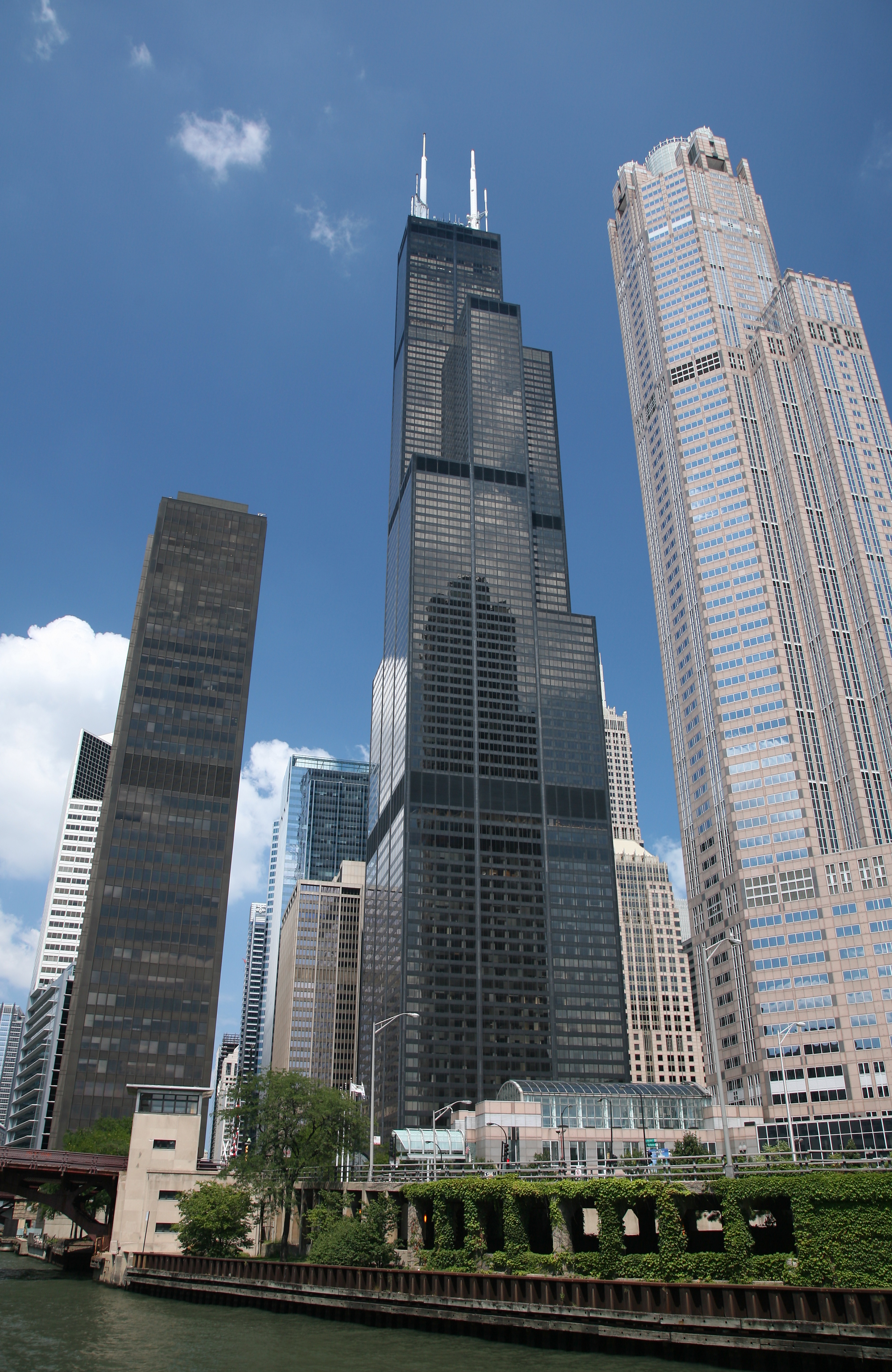
Chicago is home to a significant number of tall buildings, making it one of the densest collections of such structures in the world. The Willis Tower (formerly Sears Tower), an icon of the city, stands at 1,450 feet (442 meters). The John Hancock Center was an early icon of postmodernism, reaching 1,128 feet (344 meters). In 2023, the city saw the completion of the St. Regis Chicago, designed by Jeanne Gang, standing at 1,198 feet (365 meters), making it the third-tallest building in Chicago and the tallest building in the world designed by a female architect. The Chicago Architecture Center is a popular destination, underscoring the immense public interest in the city's built environment.
👥 Key People & Organizations
The architects and visionaries who shaped Chicago are legendary. Daniel Burnham, alongside Edward Bennett, authored the influential Plan of Chicago, a comprehensive urban planning document that guided the city's development for decades. Louis Sullivan, often called the 'father of skyscrapers,' championed the principle 'form follows function' and designed iconic structures like the Wainwright Building (St. Louis, 1891) and the Auditorium Building (Chicago). Frank Lloyd Wright, a protégé of Sullivan, developed his Prairie School style in the Chicago suburbs, profoundly influencing residential architecture. More contemporary figures like Miro Kamen Architects and Skidmore, Owings & Merrill (SOM) continue to push boundaries, with SOM responsible for the Willis Tower and the Burj Khalifa (Dubai). The Chicago Architecture Center serves as a vital hub for education and advocacy.
🌍 Cultural Impact & Influence
Chicago's architecture has profoundly influenced urban design and architectural education globally. The Chicago School's emphasis on structural clarity and functionalism became a foundational element of modern architecture, disseminated through the work of architects trained in or inspired by the city. The Plan of Chicago provided a model for urban planning, advocating for civic beauty, efficient transportation, and public spaces, concepts that resonated in cities worldwide. The city's architectural tours, particularly the Chicago River architecture cruise, are a major tourist draw, generating significant economic impact and fostering a global appreciation for its built heritage. This architectural legacy has also permeated popular culture, featuring prominently in films and literature, solidifying Chicago's image as a city of architectural marvels.
⚡ Current State & Latest Developments
The current architectural landscape of Chicago is characterized by a dynamic interplay between preservation and new development. While the city actively protects its historic landmarks, such as the Glessner House, it also embraces cutting-edge design. The ongoing development of the Lincoln Yards megaproject and the 300 North LaSalle skyscraper exemplify this blend. There's a growing emphasis on sustainable design and green building practices, with projects incorporating features like green roofs and advanced energy-efficient systems. The city continues to attract global talent, with firms like Studio Gang and OMA contributing significant new projects, ensuring Chicago remains at the forefront of architectural innovation.
🤔 Controversies & Debates
The preservation of Chicago's architectural heritage is a constant point of discussion and, at times, contention. Debates frequently arise over the demolition of historically significant, yet perhaps less celebrated, buildings to make way for new development. The balance between preserving the city's unique character and accommodating growth is a delicate one. For instance, the potential demolition of buildings like the Graham Foundation Building has sparked outcry from preservationists. Furthermore, the gentrification associated with new, high-end developments can displace long-term residents and alter the social fabric of historic neighborhoods, raising questions about equitable urban development and who benefits from Chicago's architectural renaissance.
🔮 Future Outlook & Predictions
The future of Chicago architecture points towards an increasing integration of technology and sustainability. Expect to see more buildings designed with smart city principles, utilizing data analytics for optimized energy consumption and occupant comfort. The push for net-zero energy buildings will likely intensify, driven by climate concerns and evolving building codes. Innovations in materials science, such as self-healing concrete and advanced timber construction, may also play a larger role. Furthermore, as Chicago continues to grapple with climate change, resilient design strategies—addressing issues like flooding and extreme weather—will become paramount in shaping the city's future skyline. The ongoing evolution of the Chicago Riverwalk also suggests a continued focus on integrating public space with architectural interventions.
💡 Practical Applications
Chicago's architecture offers tangible applications across numerous fields. For urban planners and policymakers, the Plan of Chicago remains a foundational text for understanding comprehensive urban development. Architects and engineers draw inspiration from the structural innovations of the Chicago School and the aesthetic daring of its skyscrapers. Real estate developers utilize the city's iconic buildings as benchmarks for value and desirability. For educators, Chicago's built environment serves as a living classroom, illustrating principles of design, history, and urbanism. Tourists and residents alike benefit from the aesthetic enrichment and public spaces that thoughtful architecture provides, from the Millennium Park's Cloud Gate sculpture to the historic Union Station.
Key Facts
- Category
- aesthetics
- Type
- topic