
Contents
- 🎵 Origins & History
- ⚙️ How It Works
- 📊 Key Facts & Numbers
- 👥 Key People & Organizations
- 🌍 Cultural Impact & Influence
- ⚡ Current State & Latest Developments
- 🤔 Controversies & Debates
- 🔮 Future Outlook & Predictions
- 💡 Practical Applications
- 📚 Related Topics & Deeper Reading
- Frequently Asked Questions
- References
- Related Topics
Overview
The precise genesis of the cheeseburger is a hotly contested culinary battleground, with multiple claims to its invention. Lionel Sternberger is often credited with adding cheese to a hamburger at his father's sandwich shop, The Original Pantry, in Pasadena, California, sometime between 1924 and 1926, reportedly using Swiss cheese. Another prominent claim comes from Louis Ballast of the Humpty Dumpty Drive-In in Denver, Colorado, who allegedly trademarked the term "cheeseburger" in 1935. Meanwhile, Kaelin's Restaurant in Louisville, Kentucky, also claims to have served the first cheeseburger in 1934. Regardless of the exact origin, the concept gained traction throughout the 1930s and 1940s, with its popularity exploding alongside the rise of the American diner and the subsequent fast-food revolution spearheaded by companies like McDonald's in the 1950s, which standardized and popularized the item on a massive scale.
⚙️ How It Works
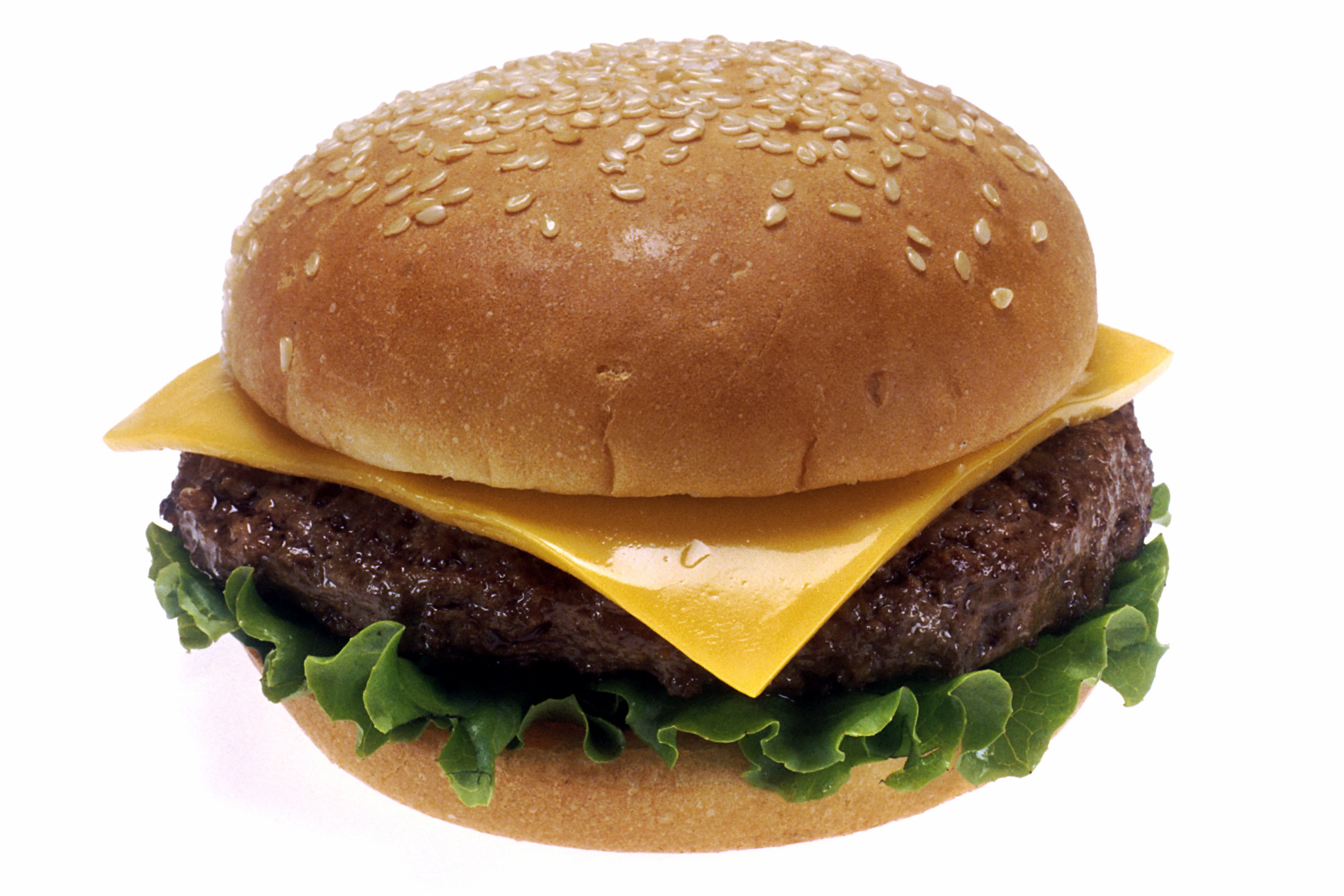
The construction of a cheeseburger is deceptively straightforward, yet the interplay of its components is key to its appeal. It begins with a ground beef patty, typically seasoned and grilled or pan-fried to the desired level of doneness, ranging from rare to well-done. Near the end of the cooking process, a slice of cheese—most commonly processed American cheese due to its superior meltability and mild flavor profile—is placed atop the hot patty, allowing it to soften and ooze. This molten cheese then acts as a binder for other toppings, which can include a soft bun, lettuce, tomato, onion, pickles, ketchup, mustard, and mayonnaise. The specific order and selection of these elements can significantly alter the final taste and texture, creating a spectrum of cheeseburger experiences from the minimalist to the extravagantly layered.
📊 Key Facts & Numbers
The sheer scale of cheeseburger consumption is staggering. It's estimated that Americans alone consume approximately 50 billion hamburgers annually, with a significant portion of these being cheeseburgers. In 2023, the global hamburger market, which heavily includes cheeseburgers, was valued at over $130 billion USD. A single fast-food chain like McDonald's serves an estimated 75 burgers per second across its global operations, many of which are cheeseburgers. The average American eats about three burgers per week, contributing to an annual per capita consumption of roughly 150 burgers. The cost of a basic cheeseburger can range from $1 to $5 in fast-food establishments, while gourmet versions in upscale restaurants can easily exceed $20.
👥 Key People & Organizations
While the exact inventor remains debated, several individuals and organizations played pivotal roles in popularizing the cheeseburger. Lionel Sternberger's early experimentation in the 1920s laid a foundational concept. Louis Ballast's purported trademarking of the term "cheeseburger" in 1935 at the Humpty Dumpty Drive-In in Denver is a significant historical marker. The widespread adoption by fast-food pioneers like Ray Kroc of McDonald's in the 1950s, and Colonel Sanders of KFC (though more known for chicken, their influence on fast food is undeniable), was crucial for mass market penetration. Today, major chains like Burger King, Wendy's, and In-N-Out Burger continue to champion their own iconic cheeseburger variations, driving ongoing innovation and competition in the market.
🌍 Cultural Impact & Influence
The cheeseburger has transcended its status as mere fast food to become a potent cultural symbol, particularly of American cuisine and its global export. It represents convenience, affordability, and a universally appealing flavor profile that has been embraced worldwide. From its ubiquitous presence in diners and fast-food chains to its elevated status in gourmet restaurants, the cheeseburger has demonstrated remarkable adaptability. It has been featured in countless films, television shows, and songs, often symbolizing comfort, indulgence, or a quintessential American experience. The global spread of fast-food chains has ensured that the cheeseburger is recognized and consumed in nearly every corner of the world, influencing local culinary traditions and becoming a common denominator in diverse food cultures.
⚡ Current State & Latest Developments
In 2024, the cheeseburger landscape is characterized by both intense competition among major fast-food players and a burgeoning interest in artisanal and plant-based alternatives. Chains are continuously experimenting with new cheese varieties, premium toppings, and innovative bun options to capture market share. For instance, McDonald's has been testing various premium burger lines, while competitors like Shake Shack have built their brand on a more upscale burger experience. Simultaneously, the rise of plant-based meat alternatives from companies like Beyond Meat and Impossible Foods has led to the widespread availability of "vegan cheeseburgers," challenging traditional perceptions and catering to a growing segment of environmentally and health-conscious consumers. The demand for customizable options and unique flavor combinations continues to drive innovation.
🤔 Controversies & Debates
The cheeseburger is not without its controversies, primarily revolving around its nutritional profile and the ethics of its production. Critics often point to the high levels of saturated fat, sodium, and calories found in many commercially prepared cheeseburgers, linking them to public health issues like obesity and heart disease. The environmental impact of beef production, including land use, greenhouse gas emissions, and water consumption, is another significant point of contention. Furthermore, debates persist regarding the quality and processing of cheese used in fast-food settings, with some advocating for more natural, less processed options. The rise of plant-based alternatives has also sparked debate about taste, texture, and the definition of a "burger" itself.
🔮 Future Outlook & Predictions
The future of the cheeseburger appears to be one of continued evolution, driven by technological advancements and shifting consumer preferences. We can anticipate further integration of artificial intelligence in optimizing supply chains and predicting consumer demand for specific burger configurations. The development of more sophisticated plant-based proteins that more closely mimic the taste and texture of traditional beef will likely lead to even greater adoption of vegan cheeseburgers. Innovations in food science may also yield novel cheese alternatives with improved meltability and flavor. Furthermore, the "fast-casual" segment is expected to continue its growth, offering more premium, customizable cheeseburger experiences that blend convenience with higher quality ingredients, potentially pushing the boundaries of what a cheeseburger can be.
💡 Practical Applications
The cheeseburger's primary application is as a widely accessible and satisfying meal. Its versatility makes it a staple in fast-food restaurants, diners, pubs, and even high-end eateries. Beyond direct consumption, the cheeseburger serves as a foundational concept for numerous culinary variations, inspiring dishes like sliders, patty melts, and even cheeseburger-flavored snacks. It's a common feature at social gatherings, from backyard barbecues to sporting events, embodying a spirit of casual enjoyment. The ease of preparation and the broad appeal of its flavor profile make it an ideal candidate for mass production and global distribution, solidifying its role as a cornerstone of modern casual dining.
Key Facts
- Year
- c. 1920s-1930s (invention), 1950s (popularization)
- Origin
- United States
- Category
- culture
- Type
- product
Frequently Asked Questions
Who is credited with inventing the cheeseburger?
The invention of the cheeseburger is a subject of debate, with several individuals and establishments laying claim. Lionel Sternberger is often cited for adding cheese to a hamburger at his father's Pasadena, California shop between 1924 and 1926. Louis Ballast of Denver's Humpty Dumpty Drive-In reportedly trademarked the term 'cheeseburger' in 1935. Kaelin's Restaurant in Louisville, Kentucky, also claims to have served the first cheeseburger in 1934. Regardless of the precise origin, the concept gained traction and was later popularized by the burgeoning fast-food industry.
What kind of cheese is typically used on a cheeseburger?
The most common cheese used on cheeseburgers, especially in fast-food settings, is processed American cheese. This is due to its excellent meltability, mild flavor, and consistent texture, which complements the beef patty without overpowering it. However, a wide variety of other meltable cheeses are also used, including cheddar, Swiss, provolone, mozzarella, pepper jack, and even blue cheese, depending on the restaurant's concept and the desired flavor profile. Gourmet cheeseburgers often feature artisanal cheeses to enhance their unique character.
How many cheeseburgers are consumed annually?
While precise figures for cheeseburgers alone are difficult to isolate from overall hamburger consumption, the numbers are immense. It's estimated that Americans consume around 50 billion hamburgers each year, and a vast majority of these are cheeseburgers. This translates to an average of roughly three burgers per person per week in the United States. Globally, the market value for hamburgers, which includes cheeseburgers, exceeds $130 billion USD, underscoring the dish's massive economic and cultural footprint.
What is the nutritional impact of eating cheeseburgers?
Cheeseburgers, particularly those from fast-food establishments, can be high in calories, saturated fat, sodium, and cholesterol, contributing to potential health risks like obesity, heart disease, and high blood pressure if consumed frequently. A standard fast-food cheeseburger can easily contain over 500 calories and significant amounts of fat and sodium. However, the nutritional profile can vary widely based on ingredients, portion size, and preparation methods. Opting for leaner beef, whole wheat buns, and lighter toppings like lettuce and tomato, while limiting processed cheese and high-fat condiments, can create a healthier version.
Are there plant-based alternatives to cheeseburgers?
Yes, plant-based alternatives to cheeseburgers have become increasingly popular and widely available. Companies like Beyond Meat and Impossible Foods produce plant-based patties designed to mimic the taste, texture, and cooking experience of traditional beef burgers. These are often served on buns with vegan cheese and other plant-based toppings, creating a "vegan cheeseburger." This innovation caters to vegetarians, vegans, and flexitarians seeking to reduce their meat consumption for ethical, environmental, or health reasons, significantly expanding the cheeseburger market.
How can I make a gourmet cheeseburger at home?
To create a gourmet cheeseburger at home, start with high-quality ground beef, ideally an 80/20 lean-to-fat ratio, and form it into a patty without overworking the meat. Season generously with salt and pepper just before cooking. Use a premium bun, such as brioche or potato, lightly toasted. For the cheese, experiment with artisanal options like Gruyère, sharp cheddar, or even a creamy brie, melting it over the patty in the final minutes of grilling or pan-frying. Elevate toppings with caramelized onions, sautéed mushrooms, avocado, or a special house sauce. The key is using fresh, high-quality ingredients and paying attention to cooking technique.
What is the future of the cheeseburger?
The future of the cheeseburger is likely to involve continued innovation in both traditional and alternative formats. We can expect further advancements in plant-based meat and cheese technologies, making them more indistinguishable from their animal-based counterparts. Customization will remain a key trend, with AI-powered ordering systems and personalized ingredient options becoming more common. There will also likely be a greater emphasis on sustainability, with restaurants highlighting ethically sourced beef and environmentally friendly production methods. The gourmet and artisanal cheeseburger scene will continue to push creative boundaries with unique flavor combinations and premium ingredients.