
Contents
Overview
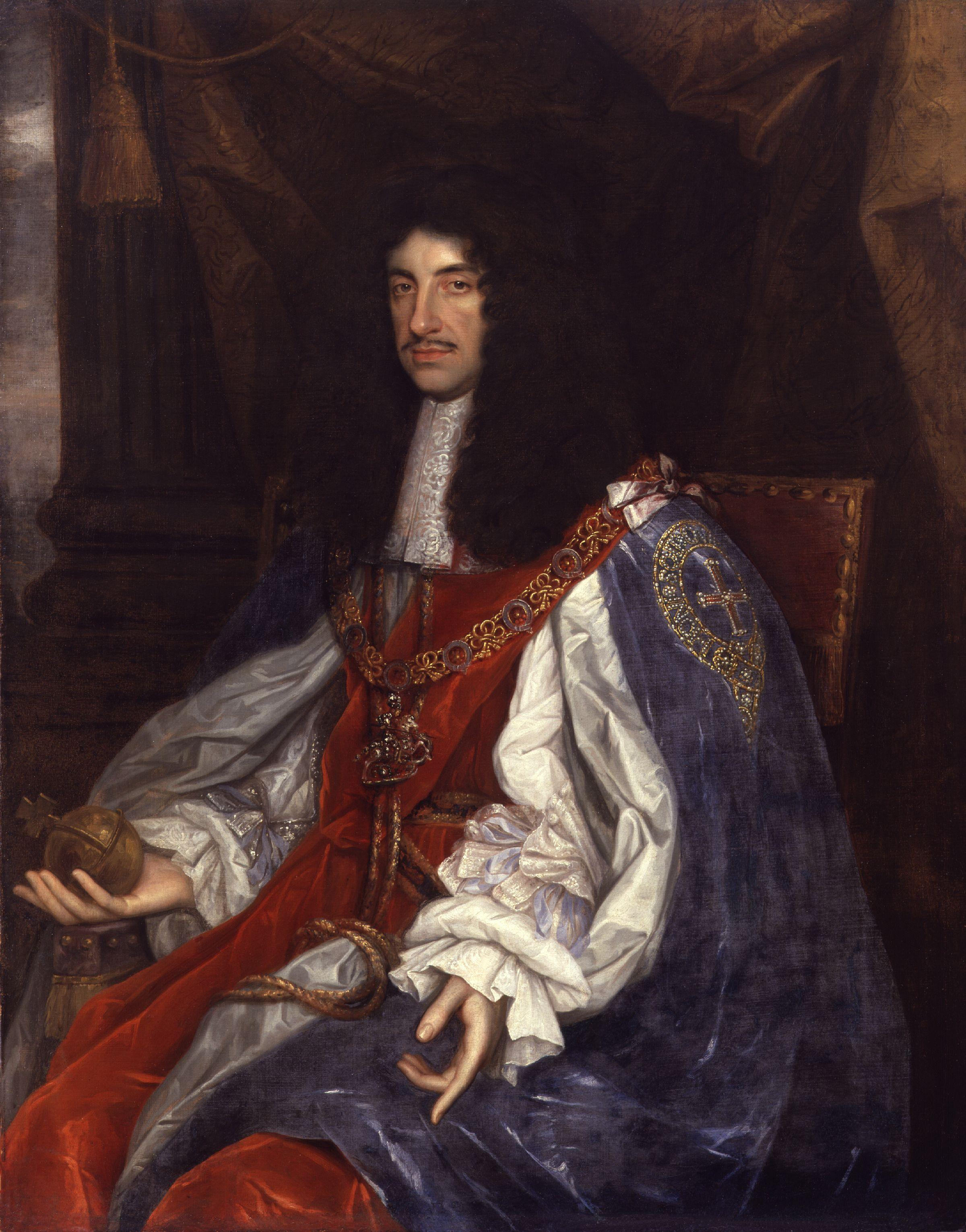
Charles II, also known as the Merry Monarch, was the eldest surviving child of Charles I of England and Henrietta Maria of France. He spent nine years in exile before being restored to the throne in 1660. During his reign, Charles II established the Royal Society in 1660 and oversaw the rebuilding of London after the Great Fire of 1666. He was a Fellow of the Royal Society and was awarded the Knight of the Garter. The Exclusion Crisis led to the passage of the Test Act in 1673.
🎨 Origins & Early Life
Charles II was the eldest surviving child of Charles I of England and Henrietta Maria of France. He was proclaimed king by the Parliament of Scotland in 1649. However, his reign was interrupted by the English Interregnum, led by Oliver Cromwell, and Charles II spent nine years in exile before being restored to the throne in 1660.
⚔️ The English Civil War and Exile
The English Interregnum was a period of republican rule led by Oliver Cromwell, who led the government from 1653 to 1658. After Cromwell's death, Charles II saw an opportunity to return to England and reclaim the throne, which he did in 1660, marking the beginning of the Restoration period.
👑 Restoration and Reign
Charles II's reign was marked by significant cultural, scientific, and economic developments. He established the Royal Society in 1660, a scientific organization that would go on to play a major role in the development of modern science. He also oversaw the rebuilding of London after the Great Fire of 1666, which destroyed much of the city. He was a Fellow of the Royal Society and was awarded the Knight of the Garter.
📊 Key Facts & Numbers
Some key facts about Charles II include: he was the eldest surviving child of Charles I of England and Henrietta Maria of France, he was a Fellow of the Royal Society, and he was awarded the Knight of the Garter. The Exclusion Crisis led to the passage of the Test Act in 1673.
👥 Key People & Organizations
Some key people and organizations associated with Charles II include: his father, Charles I of England, his mother, Henrietta Maria of France, and the Royal Society, which he established in 1660. He also had significant relationships with other monarchs, including Louis XIV of France and Philip IV of Spain.
🌍 Cultural Impact & Influence
Charles II's cultural impact and influence can still be felt today. He was a patron of the arts, and his court became a center of musical, theatrical, and literary activity. He also encouraged the development of science and technology, and his establishment of the Royal Society helped to lay the foundations for the scientific revolution of the 17th century.
⚡ Current State & Latest Developments
Today, Charles II remains one of the most fascinating and complex figures in British history. His legacy continues to be felt in the modern era, and his impact on the development of science, art, and culture is still celebrated.
🤔 Controversies & Debates
Despite his many achievements, Charles II's reign was also marked by controversy and debate. The Exclusion Crisis led to the passage of the Test Act in 1673.
🔮 Future Outlook & Predictions
Looking to the future, it is clear that Charles II's legacy will continue to be felt for generations to come. His impact on the development of science, art, and culture is still celebrated, and his role in shaping the course of British history is undeniable.
💡 Practical Applications
In practical terms, Charles II's legacy can be seen in the many institutions and organizations that he established or supported during his reign. The Royal Society, which he established in 1660, is still a major center of scientific research and inquiry today.
Key Facts
- Category
- history
- Type
- person