
Contents
- 🎵 Origins & History
- ⚙️ How It Works
- 📊 Key Facts & Numbers
- 👥 Key People & Organizations
- 🌍 Cultural Impact & Influence
- ⚡ Current State & Latest Developments
- 🤔 Controversies & Debates
- 🔮 Future Outlook & Predictions
- 💡 Practical Applications
- 📚 Related Topics & Deeper Reading
- Frequently Asked Questions
- References
- Related Topics
Overview
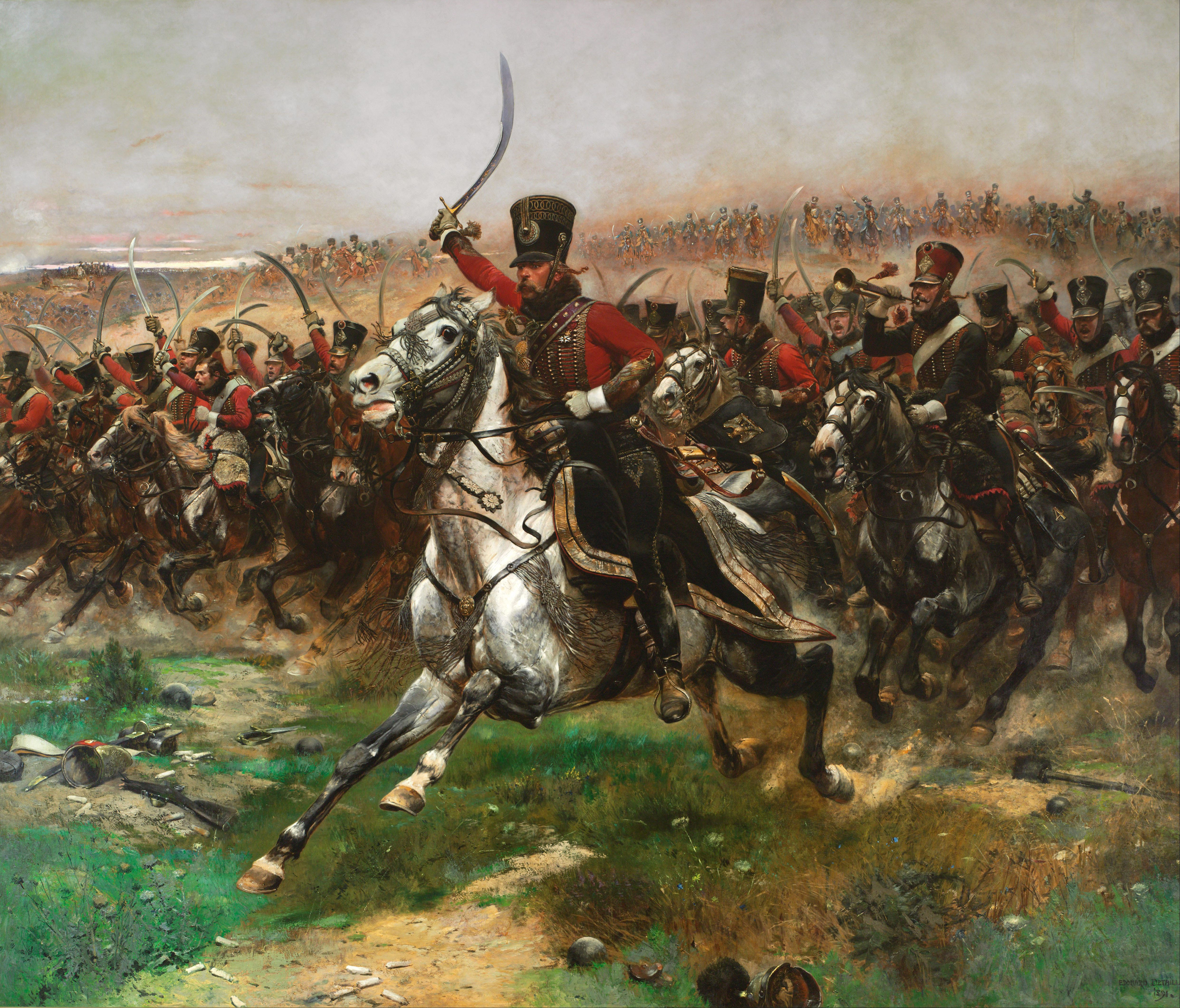
Cavalry, derived from the French word cavalerie, refers to groups of soldiers or warriors who fight mounted on horseback, playing a crucial role in warfare throughout history. From ancient times to the 20th century, cavalry units operated as light cavalry for reconnaissance, screening, and skirmishing, or as heavy cavalry for decisive economy of force and shock attacks. The designation of cavalry was not usually given to military forces that used other animals or platforms for mounts, such as chariots, camels, or elephants. With the rise of modern warfare, the traditional role of cavalry has evolved, but its legacy continues to influence modern military tactics and strategies. Notable cavalry units, such as the Mongol Horde, Napoleonic Cavalry, and US Cavalry, have shaped the course of history. The development of cavalry tactics and strategies is closely tied to the work of military theorists like Sun Tzu and Carl von Clausewitz.
🎵 Origins & History
The concept of cavalry dates back to ancient times, with evidence of horse-mounted warriors found in the armies of Ancient Persia, Ancient Greece, and Ancient Rome. The use of cavalry in warfare became more widespread during the Middle Ages, with the development of heavy cavalry units like the Knights Templar and the Mongol Horde. The introduction of firearms and modern artillery led to a decline in the use of traditional cavalry, but the concept of mounted warfare continued to evolve, with the development of new tactics and strategies, such as those employed by the US Cavalry during the American Civil War.
⚙️ How It Works
Cavalry units typically consist of a combination of light and heavy cavalry, with light cavalry operating as scouts, messengers, and skirmishers, while heavy cavalry provides the main striking force. The effectiveness of cavalry depends on a range of factors, including the quality of the horses, the training and discipline of the riders, and the terrain and weather conditions. The use of cavalry in modern warfare is often limited to specialized units, such as the British Household Cavalry and the French Cuirassiers, which are trained to operate in a variety of environments and scenarios.
📊 Key Facts & Numbers
Key facts about cavalry include the fact that the first recorded use of cavalry in warfare dates back to around 3000 BC, during the Sargon the Great's conquest of Sumer. The largest cavalry battle in history was the Battle of Gaugamela, fought in 331 BC between the armies of Alexander the Great and Darius III. The average speed of a cavalry charge is around 25-30 km/h, with some units, like the Polish Winged Hussars, reaching speeds of up to 40 km/h. The development of cavalry tactics and strategies is closely tied to the work of military theorists like Sun Tzu and Carl von Clausewitz.
👥 Key People & Organizations
Notable cavalry units and commanders include the Mongol Horde, led by Genghis Khan, the Napoleonic Cavalry, led by Joachim Murat, and the US Cavalry, led by George Armstrong Custer. Other notable cavalry commanders include Ernst August I of Hanover and Gebhard von Blücher. The development of cavalry tactics and strategies is also closely tied to the work of military theorists like Sun Tzu and Carl von Clausewitz.
🌍 Cultural Impact & Influence
The cultural impact of cavalry can be seen in the many works of art, literature, and film that feature cavalry units and commanders, such as the paintings of Théodore Géricault and the films of John Ford. The use of cavalry in warfare has also had a significant impact on the development of modern military tactics and strategies, with many armies continuing to maintain cavalry units as part of their armed forces. The legacy of cavalry can also be seen in the many equestrian sports and competitions that have developed over the centuries, such as show jumping and dressage.
⚡ Current State & Latest Developments
The current state of cavalry is one of continued evolution, with many armies adapting to new technologies and tactics. The use of cavalry in modern warfare is often limited to specialized units, such as the British Household Cavalry and the French Cuirassiers, which are trained to operate in a variety of environments and scenarios. The development of new technologies, such as drones and autonomous vehicles, is also likely to have an impact on the future of cavalry, with some armies already experimenting with the use of robotic horses and other unmanned systems.
🤔 Controversies & Debates
Controversies and debates surrounding cavalry include the use of horses in warfare, with some arguing that it is inhumane and others arguing that it is a necessary part of modern warfare. The effectiveness of cavalry in modern warfare is also a topic of debate, with some arguing that it is no longer a viable tactic and others arguing that it continues to have a role to play. The development of new technologies, such as drones and autonomous vehicles, is also likely to have an impact on the future of cavalry, with some arguing that it will make traditional cavalry units obsolete.
🔮 Future Outlook & Predictions
The future outlook for cavalry is one of continued evolution, with many armies adapting to new technologies and tactics. The use of cavalry in modern warfare is likely to continue, but it will likely be limited to specialized units, such as the British Household Cavalry and the French Cuirassiers, which are trained to operate in a variety of environments and scenarios. The development of new technologies, such as drones and autonomous vehicles, is also likely to have an impact on the future of cavalry, with some armies already experimenting with the use of robotic horses and other unmanned systems.
💡 Practical Applications
Practical applications of cavalry include the use of horses in search and rescue operations, such as those conducted by the US Cavalry during natural disasters. The use of cavalry in ceremonial and symbolic roles is also an important part of many armies' traditions, with units like the British Household Cavalry and the French Cuirassiers participating in parades and other events. The development of equestrian sports and competitions, such as show jumping and dressage, is also closely tied to the tradition of cavalry.
Key Facts
- Year
- 3000 BC
- Origin
- Ancient Persia
- Category
- history
- Type
- concept
Frequently Asked Questions
What is the origin of the word 'cavalry'?
The word 'cavalry' comes from the French word 'cavalerie', which is derived from the Latin word 'caballus', meaning 'horse'. The concept of cavalry dates back to ancient times, with evidence of horse-mounted warriors found in the armies of Ancient Persia, Ancient Greece, and Ancient Rome.
What is the difference between light and heavy cavalry?
Light cavalry typically operates as scouts, messengers, and skirmishers, while heavy cavalry provides the main striking force. The use of light and heavy cavalry depends on the terrain and weather conditions, as well as the tactics and strategies employed by the commander. The development of cavalry tactics and strategies is closely tied to the work of military theorists like Sun Tzu and Carl von Clausewitz.
What is the current state of cavalry in modern warfare?
The use of cavalry in modern warfare is often limited to specialized units, such as the British Household Cavalry and the French Cuirassiers, which are trained to operate in a variety of environments and scenarios. The development of new technologies, such as drones and autonomous vehicles, is also likely to have an impact on the future of cavalry, with some armies already experimenting with the use of robotic horses and other unmanned systems.
What are some notable cavalry units and commanders?
Notable cavalry units and commanders include the Mongol Horde, led by Genghis Khan, the Napoleonic Cavalry, led by Joachim Murat, and the US Cavalry, led by George Armstrong Custer. Other notable cavalry commanders include Ernst August I of Hanover and Gebhard von Blücher.
What is the cultural impact of cavalry?
The cultural impact of cavalry can be seen in the many works of art, literature, and film that feature cavalry units and commanders, such as the paintings of Théodore Géricault and the films of John Ford. The use of cavalry in warfare has also had a significant impact on the development of modern military tactics and strategies, with many armies continuing to maintain cavalry units as part of their armed forces.
What are some practical applications of cavalry?
Practical applications of cavalry include the use of horses in search and rescue operations, such as those conducted by the US Cavalry during natural disasters. The use of cavalry in ceremonial and symbolic roles is also an important part of many armies' traditions, with units like the British Household Cavalry and the French Cuirassiers participating in parades and other events.
What is the future outlook for cavalry?
The future outlook for cavalry is one of continued evolution, with many armies adapting to new technologies and tactics. The use of cavalry in modern warfare is likely to continue, but it will likely be limited to specialized units, such as the British Household Cavalry and the French Cuirassiers, which are trained to operate in a variety of environments and scenarios.
What are some related topics and deeper reading?
Related topics and deeper reading include the history of ancient warfare, the development of modern warfare, and the role of horses in warfare. The study of cavalry tactics and strategies is also closely tied to the work of military theorists like Sun Tzu and Carl von Clausewitz. Other related topics include the history of equestrian sports and the development of autonomous vehicles.