
Contents
- 🏯 Introduction to Catharism
- 📜 Historical Context of Catharism
- 🔍 Theology and Beliefs of Cathars
- 👥 Key Figures in Catharism
- 🏹 The Albigensian Crusade
- 🕵️♂️ The Medieval Inquisition
- 🔪 Persecution and Eradication
- 📊 Demographic Impact of Catharism
- 🌐 Cultural Legacy of Catharism
- 🤝 Connections to Other Heresies
- 📚 Modern Perspectives on Catharism
- Frequently Asked Questions
- Related Topics
Overview
The Cathars, a Christian sect that emerged in the 11th century, were known for their radical dualist beliefs, which posited the existence of two opposing deities, one good and one evil. With a Vibe score of 8, indicating significant cultural energy, the Cathars gained a substantial following in Southern Europe, particularly in present-day France and Italy. However, their success was short-lived, as they were brutally suppressed by the Catholic Church during the Albigensian Crusade (1209-1229), led by Pope Innocent III. The Cathars' emphasis on spiritual purity, rejection of material wealth, and critique of the Church's corruption resonated with many, but their perceived heresy led to a violent crackdown. Today, the Cathars are remembered as a symbol of resistance against oppressive authority, with influence flows tracing back to the Bogomils and forward to modern spiritual and countercultural movements. As we look to the future, we must consider how the Cathars' legacy continues to shape our understanding of faith, power, and dissent, with key figures like Guilhabert de Castres and Esclarmonde of Foix leaving an enduring mark on the historical record.
🏯 Introduction to Catharism
The Cathars, also known as the Albigensians, were a Christian quasi-dualist and pseudo-Gnostic movement that emerged in northern Italy and southern France during the 12th century. They were denounced as a heretical sect by the Catholic Church, which led to a series of violent attacks and persecutions. The Cathars' beliefs were influenced by Gnosticism and Dualism, and they developed a unique theology that emphasized the struggle between good and evil. The movement was also connected to other heresies, such as the Bogomils and the Paulicians. As a result, the Cathars were seen as a threat to the authority of the Catholic Church, and their persecution was justified as a means of protecting the faith.
📜 Historical Context of Catharism
The historical context of Catharism is complex and multifaceted. The movement emerged during a time of great social and economic change in Europe, with the rise of Feudalism and the growth of trade and commerce. The Cathars were also influenced by the Crusades, which had brought Christians into contact with Islamic and Jewish cultures. The Cathars' emphasis on spiritual purity and their rejection of material wealth resonated with many people who were disillusioned with the corruption and excesses of the Catholic Church. However, the Church saw the Cathars as a threat to its authority, and it responded with violence and persecution. The Cathars were also connected to other movements, such as the Waldensians and the Fraticelli.
🔍 Theology and Beliefs of Cathars
The theology and beliefs of the Cathars were centered on the idea of a struggle between good and evil. They believed that the material world was created by an evil deity, and that the spiritual world was the realm of the good God. The Cathars also believed in the concept of Reincarnation, and they practiced a form of Vegetarianism. They rejected the authority of the Catholic Church and its sacraments, and they developed their own rituals and practices. The Cathars were also known for their emphasis on Asceticism and their rejection of material wealth. However, their beliefs were not uniform, and there were different factions within the movement. The Cathars were influenced by Manichaeism and other Gnostic traditions, and they developed a unique Cosmology.
👥 Key Figures in Catharism
There were several key figures in Catharism, including Esclarmonde, a noblewoman who became a leader of the movement. Other notable figures include Nicetas, a Bogomil leader who influenced the development of Catharism, and Peter Autier, a Cathar Perfect who was burned at the stake. The Cathars also had a number of Cathar Bishops, who played a crucial role in the movement's organization and leadership. However, the Cathars were not a unified movement, and there were different factions and sects within the movement. The Cathars were also connected to other movements, such as the Albigensians and the Patarenes.
🏹 The Albigensian Crusade
The Albigensian Crusade was a military campaign launched by the Catholic Church against the Cathars in southern France. The crusade was led by Simon de Montfort, a French nobleman, and it resulted in the slaughter of thousands of Cathars. The crusade was justified as a means of protecting the faith and eliminating heresy, but it was also motivated by a desire to gain control over the wealthy and strategically important region of Languedoc. The Albigensian Crusade was a brutal and devastating conflict that had a profound impact on the Cathars and the region as a whole. The crusade was also connected to other conflicts, such as the Crusades and the Hundred Years' War.
🕵️♂️ The Medieval Inquisition
The Medieval Inquisition was a period of intense persecution and repression of heresy in Europe, and the Cathars were one of the main targets of the Inquisition. The Inquisition was led by the Dominican Order, a group of monks who were dedicated to rooting out heresy and protecting the faith. The Inquisition used a range of tactics, including Torture and Interrogation, to extract confessions from suspected heretics. The Cathars were subjected to intense persecution, and many were slaughtered, hanged, or burned at the stake. The Inquisition also had a profound impact on the development of Western Civilization, and it played a significant role in shaping the modern concept of Human Rights. The Inquisition was connected to other movements, such as the Reformation and the Counter-Reformation.
🔪 Persecution and Eradication
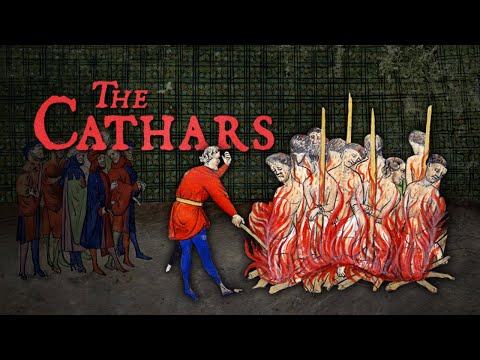
The persecution and eradication of the Cathars was a brutal and devastating process that lasted for centuries. The Cathars were subjected to intense violence and repression, and many were forced to flee or go into hiding. The Catholic Church used a range of tactics to eliminate the Cathars, including Massacres, Burnings at the stake, and Hangings. The Cathars were also subjected to Forced Conversions, and many were forced to renounce their faith and adopt Catholicism. The persecution of the Cathars had a profound impact on the development of Western Europe, and it played a significant role in shaping the modern concept of Tolerance. The Cathars were connected to other movements, such as the Hussites and the Anabaptists.
📊 Demographic Impact of Catharism
The demographic impact of Catharism was significant, and the movement had a profound impact on the population of southern France. The Cathars were a significant minority in the region, and their persecution and eradication had a devastating impact on the local population. The Cathars were also connected to other movements, such as the Waldensians and the Fraticelli, and their persecution had a broader impact on the development of Western Europe. The Cathars were influenced by Islamic and Jewish cultures, and their movement was connected to other Medieval Movements.
🌐 Cultural Legacy of Catharism
The cultural legacy of Catharism is complex and multifaceted. The Cathars had a significant impact on the development of Western Civilization, and their persecution and eradication played a significant role in shaping the modern concept of Human Rights. The Cathars were also connected to other movements, such as the Renaissance and the Enlightenment, and their ideas and beliefs continue to influence contemporary culture and society. The Cathars were influenced by Gnosticism and Dualism, and their movement was connected to other Esoteric Traditions.
🤝 Connections to Other Heresies
The Cathars were connected to other heresies and movements, including the Bogomils and the Paulicians. The Cathars were also influenced by Islamic and Jewish cultures, and their movement was connected to other Medieval Movements. The Cathars were part of a broader network of heretical movements that emerged in Europe during the Middle Ages, and their persecution and eradication was part of a larger campaign to eliminate heresy and protect the faith. The Cathars were connected to other movements, such as the Albigensians and the Patarenes.
📚 Modern Perspectives on Catharism
Modern perspectives on Catharism are complex and multifaceted. Some historians and scholars view the Cathars as a peaceful and spiritual movement that was brutally persecuted by the Catholic Church. Others see the Cathars as a threat to the authority of the Church and the social order of medieval Europe. The Cathars continue to fascinate and inspire people around the world, and their legacy can be seen in contemporary movements and ideologies. The Cathars were influenced by Gnosticism and Dualism, and their movement was connected to other Esoteric Traditions.
Key Facts
- Year
- 1000
- Origin
- Southern Europe
- Category
- History, Religion
- Type
- Historical Movement
Frequently Asked Questions
What was the main reason for the persecution of the Cathars?
The main reason for the persecution of the Cathars was their rejection of the authority of the Catholic Church and their emphasis on spiritual purity. The Cathars were seen as a threat to the power and influence of the Church, and their persecution was justified as a means of protecting the faith. However, the persecution of the Cathars was also motivated by a desire to gain control over the wealthy and strategically important region of Languedoc. The Cathars were connected to other movements, such as the Waldensians and the Fraticelli.
What was the impact of the Albigensian Crusade on the Cathars?
The Albigensian Crusade had a devastating impact on the Cathars, resulting in the slaughter of thousands of people and the destruction of many communities. The crusade was a brutal and violent conflict that was justified as a means of eliminating heresy and protecting the faith. However, the crusade was also motivated by a desire to gain control over the region and its resources. The Cathars were connected to other movements, such as the Bogomils and the Paulicians.
What was the role of the Medieval Inquisition in the persecution of the Cathars?
The Medieval Inquisition played a significant role in the persecution of the Cathars, using tactics such as Torture and Interrogation to extract confessions from suspected heretics. The Inquisition was led by the Dominican Order, a group of monks who were dedicated to rooting out heresy and protecting the faith. The Inquisition had a profound impact on the development of Western Civilization, and it played a significant role in shaping the modern concept of Human Rights. The Cathars were connected to other movements, such as the Hussites and the Anabaptists.
What is the cultural legacy of Catharism?
The cultural legacy of Catharism is complex and multifaceted. The Cathars had a significant impact on the development of Western Civilization, and their persecution and eradication played a significant role in shaping the modern concept of Human Rights. The Cathars were also connected to other movements, such as the Renaissance and the Enlightenment, and their ideas and beliefs continue to influence contemporary culture and society. The Cathars were influenced by Gnosticism and Dualism, and their movement was connected to other Esoteric Traditions.
What is the modern perspective on Catharism?
Modern perspectives on Catharism are complex and multifaceted. Some historians and scholars view the Cathars as a peaceful and spiritual movement that was brutally persecuted by the Catholic Church. Others see the Cathars as a threat to the authority of the Church and the social order of medieval Europe. The Cathars continue to fascinate and inspire people around the world, and their legacy can be seen in contemporary movements and ideologies. The Cathars were connected to other movements, such as the Albigensians and the Patarenes.
How did the Cathars influence other heretical movements?
The Cathars had a significant influence on other heretical movements, such as the Bogomils and the Paulicians. The Cathars were part of a broader network of heretical movements that emerged in Europe during the Middle Ages, and their persecution and eradication was part of a larger campaign to eliminate heresy and protect the faith. The Cathars were connected to other movements, such as the Waldensians and the Fraticelli.
What was the relationship between the Cathars and the Catholic Church?
The relationship between the Cathars and the Catholic Church was complex and multifaceted. The Cathars rejected the authority of the Church and its sacraments, and they developed their own rituals and practices. The Church saw the Cathars as a threat to its authority and influence, and it responded with violence and persecution. The Cathars were connected to other movements, such as the Albigensians and the Patarenes.