
Contents
Overview
The history of casting dates back to around 3200 BC, with the oldest surviving casting being a copper frog. This ancient process has evolved over time, with various civilizations contributing to its development, including the Egyptians, who used casting to create intricate jewelry and other decorative items, and the Greeks, who used it to produce statues and other works of art. Today, casting is used in a wide range of industries, including automotive, aerospace, and construction, with companies like General Motors and Boeing relying on casting to produce complex components.
⚙️ How It Works
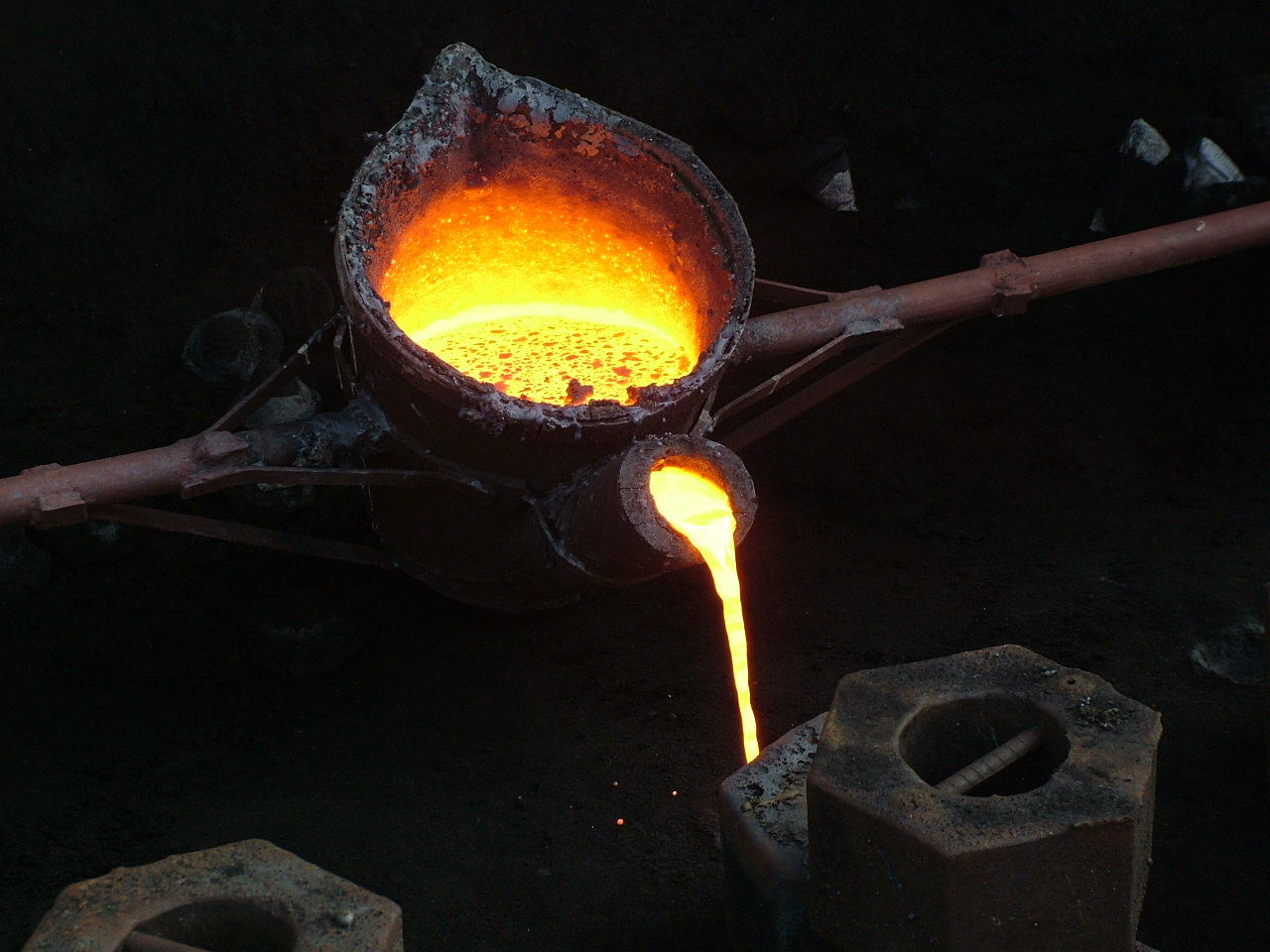
The casting process involves several steps, including pattern making, mold making, and pouring. The pattern is typically made of wood or metal and is used to create the mold, which is then filled with a liquid material, such as aluminum or copper. The liquid material is then allowed to solidify, after which the solidified part is ejected or broken out of the mold. This process can be used to create a wide range of products, from simple shapes like pipes and tubes to complex designs like engine blocks and gearboxes. Companies like 3M and DuPont have developed advanced materials and technologies to improve the casting process, including the use of robotics and computer-aided design (CAD).
🌍 Industrial Applications
Casting has a wide range of industrial applications, including the production of heavy equipment, such as machine tool beds and ship's propellers. It is also used in the production of intricate designs, such as jewelry and decorative items. The process is often used in conjunction with other manufacturing processes, such as maching and welding. For example, Caterpillar Inc. uses casting to produce complex components for their heavy equipment, while Lockheed Martin uses it to produce parts for their aircraft.
🔮 Modern Developments
In recent years, there have been several developments in the field of casting, including the use of advanced materials and technologies, such as 3D printing and nanotechnology. These developments have enabled the production of complex shapes and designs that were previously impossible to create using traditional casting methods. For example, General Electric has developed a new casting process that uses 3D printing to create complex components for their jet engines. Additionally, researchers at MIT have developed a new material that can be used for casting, which has improved properties and can be used in a wide range of applications.
Key Facts
- Year
- 3200 BC
- Origin
- Ancient civilization
- Category
- technology
- Type
- concept
Frequently Asked Questions
What is the oldest surviving casting?
The oldest surviving casting is a copper frog from 3200 BC, which was created using a process that involved pouring molten copper into a mold. This ancient process has evolved over time, with various civilizations contributing to its development, including the Egyptians and the Greeks. Today, casting is used in a wide range of industries, including automotive, aerospace, and construction.
What are the advantages of casting?
The advantages of casting include the ability to create complex shapes, the ability to produce large quantities, and the ability to use a wide range of materials, including metal, epoxy, and concrete. Casting is often used in conjunction with other manufacturing processes, such as maching and welding. For example, Caterpillar Inc. uses casting to produce complex components for their heavy equipment, while Lockheed Martin uses it to produce parts for their aircraft.
What are the limitations of casting?
The limitations of casting include the need for a mold, the potential for defects, and the limited size of the casting. However, advancements in technology have improved the casting process, allowing for the production of larger and more complex castings. For example, General Electric has developed a new casting process that uses 3D printing to create complex components for their jet engines.
What are the different types of casting?
There are several different types of casting, including sand casting, investment casting, and die casting. Each type of casting has its own advantages and disadvantages, and the choice of which type to use depends on the specific application and the desired properties of the final product. For example, Ford Motor Company uses die casting to produce engine blocks, while Boeing uses investment casting to produce parts for their aircraft.
What is the future of casting?
The future of casting is likely to involve the use of advanced materials and technologies, such as 3D printing and nanotechnology. These developments will enable the production of complex shapes and designs that were previously impossible to create using traditional casting methods. For example, researchers at MIT have developed a new material that can be used for casting, which has improved properties and can be used in a wide range of applications. Additionally, companies like Siemens are developing new casting technologies that use artificial intelligence to optimize the casting process.