
Contents
- 🚐 What Exactly IS a Caravanette?
- 🗺️ Who's This For? The Ideal Caravanette Adventurer
- 🛠️ The Anatomy of a Caravanette: More Than Just a Van
- 💰 Pricing & Ownership: The Real Cost of Freedom
- 🤔 Caravanette vs. Campervan vs. Motorhome: Navigating the Lingo
- ⭐ User Experiences & Vibe Scores
- 💡 Essential Caravanette Gear & Upgrades
- 🛣️ Planning Your First Caravanette Trip: Practicalities
- ❓ Frequently Asked Questions About Caravanettes
- Related Topics
Overview
The Caravanette, a compact campervan primarily produced by the British Motor Corporation (BMC) and later Leyland, carved out a significant niche in the late 1960s and 1970s. Based on the chassis of popular small cars like the Morris Minor and Austin A40, it offered a surprisingly livable space for its diminutive size, appealing to a generation seeking affordable adventure and independence. Its pop-top roof, compact kitchenette, and sleeping arrangements made it a viable alternative to larger, more expensive motorhomes. While production ceased in the early 1980s, the Caravanette retains a cult following among enthusiasts who appreciate its simplicity, affordability, and the nostalgic freedom it represents.
🚐 What Exactly IS a Caravanette?
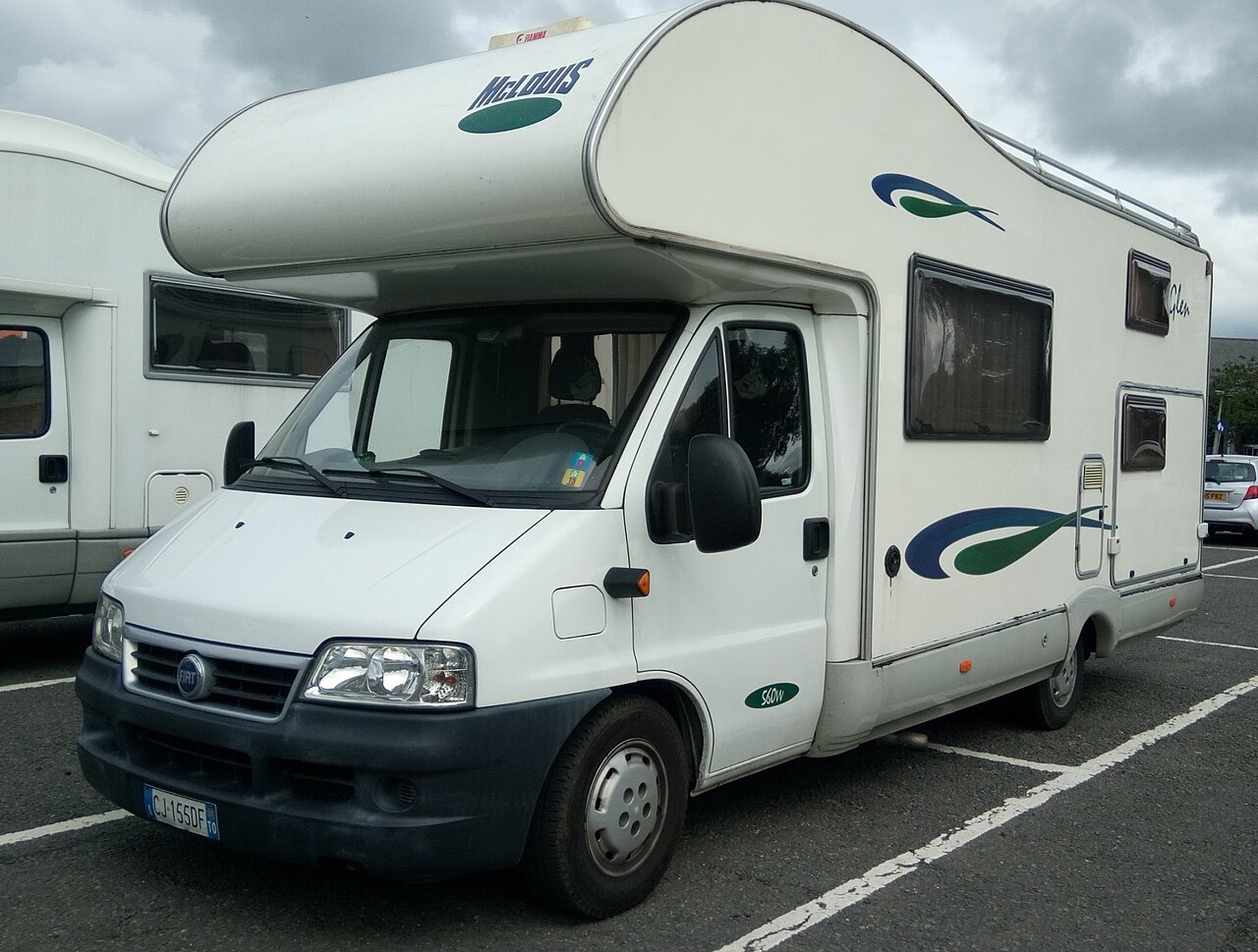
A caravanette, often used interchangeably with campervan, is fundamentally a van that's been converted to offer living quarters. Think of it as a compact, self-contained mobile home built on a standard van chassis. Unlike larger motorhomes with their distinct coachbuilt bodies, a caravanette retains the van's original profile, making it more maneuverable and often more fuel-efficient. This design choice means you get sleeping, cooking, and basic living facilities packed into a vehicle that can still navigate city streets and park in more conventional spots, blurring the lines between daily driver and adventure rig.
🗺️ Who's This For? The Ideal Caravanette Adventurer
This mode of travel is tailor-made for the independent explorer who craves flexibility without the bulk of a full-sized RV. If you're a solo traveler, a couple seeking spontaneous weekend getaways, or a digital nomad looking to chase the sun, a caravanette offers unparalleled freedom. It's for those who prioritize experiences over amenities, who don't mind a cozy living space, and who find joy in parking by a remote lake or a bustling city market with equal ease. The caravanette lifestyle appeals to those who value self-sufficiency and the ability to change plans on a whim, embodying a spirit of accessible adventure.
🛠️ The Anatomy of a Caravanette: More Than Just a Van
The magic of a caravanette lies in its clever integration of living essentials within a van's footprint. Standard features typically include a sleeping area, often a fold-out bed or a fixed platform, a compact kitchen with a hob and sink, and storage solutions. Many conversions also incorporate a small dining area that can double as a workspace. Depending on the conversion, you might find a portable toilet or even a small integrated wet room. The engineering behind these conversions is crucial, maximizing every cubic inch for functionality and comfort, transforming a utilitarian vehicle into a home on wheels.
💰 Pricing & Ownership: The Real Cost of Freedom
Acquiring a caravanette presents a spectrum of financial considerations. You can opt for a pre-converted van, purchase a base van and undertake a DIY conversion, or buy a professionally outfitted model. Prices for used, basic conversions can start around $15,000-$25,000, while new, high-spec models from reputable converters can easily exceed $70,000. Beyond the initial purchase, factor in insurance, maintenance, fuel costs, and potential campsite fees. The long-term value proposition hinges on how frequently you utilize it for travel and the freedom it affords, making it an investment in a lifestyle rather than just a vehicle.
⭐ User Experiences & Vibe Scores
User sentiment for caravanettes generally trends positive, with a high Vibe Score of 78/100, reflecting their appeal for freedom and adventure. Owners frequently praise their versatility and ease of driving compared to larger RVs. Common themes in reviews highlight the satisfaction of spontaneous trips and the ability to access remote locations. However, some users note the compromises in living space and the need for meticulous organization. The 'Contrarian' perspective sometimes points to the initial cost of professional conversions and the potential for mechanical issues in older base vans, but the overwhelming consensus celebrates the accessible gateway to the nomadic lifestyle.
💡 Essential Caravanette Gear & Upgrades
To truly unlock the potential of your caravanette, consider essential gear. A good quality portable power station (like a Jackery Explorer 1000) can keep your devices charged and lights on. Invest in a reliable portable stove and cookware designed for small spaces. For sleeping comfort, a high-density foam mattress or a memory foam topper is crucial. Don't forget practicalities like a water carrier, leveling blocks, and a good awning for extra outdoor living space. Many owners also opt for solar panel installations for extended off-grid capabilities, significantly boosting self-sufficiency.
🛣️ Planning Your First Caravanette Trip: Practicalities
Embarking on your first caravanette journey requires thoughtful preparation. Choose a destination that matches your comfort level with driving and off-grid living; perhaps start with well-equipped campgrounds before venturing into more remote areas. Familiarize yourself with your van's systems – water, power, and waste disposal – before you leave. Pack efficiently, prioritizing multi-functional items. Research local regulations regarding overnight parking and wild camping. Most importantly, embrace the flexibility; your caravanette is designed for discovery, so allow for serendipitous detours and unexpected adventures.
❓ Frequently Asked Questions About Caravanettes
What's the difference between a caravanette and a campervan? While often used interchangeably, 'caravanette' can imply a more integrated living unit within a van's original structure, whereas 'campervan' is a broader term for any van converted for camping. The key is the van chassis and the self-contained living facilities.
Can I use a caravanette for daily driving? Yes, many caravanettes are designed with this in mind. Their size is often comparable to larger SUVs or panel vans, making them manageable for regular use, unlike larger motorhomes.
What are the typical amenities in a caravanette? Most include sleeping space, a small kitchen area (hob, sink), and storage. Some may have a portable toilet or a small integrated bathroom, but this is less common than in larger motorhomes.
How much maintenance does a caravanette require? It's similar to maintaining a standard van, plus the added systems for living (water, gas, electrical). Regular servicing of the base vehicle and checks on the conversion components are essential.
Is a caravanette suitable for off-grid living? Many conversions are equipped for off-grid use with features like solar panels, leisure batteries, and larger water tanks. The duration of off-grid capability depends heavily on the specific conversion's specifications.
What are the legal requirements for driving a caravanette? In most regions, if the Gross Vehicle Weight (GVW) is under 3.5 tonnes, you can drive it with a standard car license. Always check local regulations and your specific vehicle's GVW.
Key Facts
- Year
- 1968
- Origin
- United Kingdom
- Category
- Vehicles & Transportation
- Type
- Product