
Contents
Overview
The lineage of the bushcraft knife stretches back to humanity's earliest tools, evolving from sharpened stones and bone implements used by prehistoric peoples for everything from butchering game to crafting shelter. As metallurgy advanced, the knife became a more sophisticated tool, with early cultures in Mesopotamia and Ancient Egypt producing bronze and iron blades. The concept of a dedicated 'bushcraft' knife, however, solidified with the rise of exploration and settlement in frontier regions, particularly in North America and Australia, where individuals relied heavily on their tools for survival. Figures like Daniel Boone and early Australian settlers would have carried robust knives essential for navigating and subsisting in untamed wilderness. The modern bushcraft knife aesthetic and philosophy were significantly shaped in the mid-20th century by pioneers like Mors Kochanski, who championed the idea of a single, versatile tool for wilderness living, influencing generations of knife makers and outdoor enthusiasts.
⚙️ How It Works
A true bushcraft knife is defined by its construction and intended use. The bedrock is typically a full tang blade, meaning the steel extends through the entire handle, providing unparalleled strength and preventing breakage under heavy stress, a critical factor when batoning wood or prying. Blade steel varies, with high-carbon steels like 1095 favored for their ease of sharpening in the field, though stainless steels offer superior corrosion resistance. Blade shapes commonly feature a Scandinavian grind (Scandi grind) for precise wood carving, a drop point for general utility, or a modified clip point. Handle materials range from durable woods like walnut or oak to synthetic materials like Micarta or G10, all designed for a secure, comfortable grip even when wet or cold. The overall design prioritizes a balance between robustness and the ability to perform fine tasks, making it a versatile extension of the user's hand in the wild.
📊 Key Facts & Numbers
High-quality bushcraft knives often range from $100 to $500, with custom pieces from renowned makers potentially exceeding $1,000. Blade thickness often measures around 3/16th of an inch for optimal strength. Approximately 70% of bushcraft knife buyers report using their knives for at least 10 days a year in outdoor settings.
👥 Key People & Organizations
While no single individual 'invented' the bushcraft knife, several figures have profoundly shaped its modern interpretation. Mors Kochanski, a Canadian bushcraft expert, is arguably a highly influential proponent. Ray Mears, a British bushcraft and survival instructor, has also popularized specific knife designs and their applications through his television programs and writings, often collaborating with makers like Woodlore. Companies like Fallkniven (Sweden), Bark River Knives (USA), and L.K.C. Knives (UK) are renowned for producing high-quality, purpose-built bushcraft knives, often drawing inspiration from traditional designs and the needs articulated by bushcraft practitioners. Gudy van Rooij is another notable maker whose work exemplifies the bushcraft ethos.
🌍 Cultural Impact & Influence
The bushcraft knife is more than just a tool; it's a symbol of self-reliance and a connection to ancestral skills. Its cultural resonance is evident in the popularity of bushcraft and survival television shows like Survivorman and Bushcraft Survival Skills, where the knife often plays a central role. It represents a rejection of over-reliance on modern technology and an embrace of practical, time-tested methods. This has led to a resurgence in traditional crafts and a greater appreciation for the skills needed to thrive in nature. The aesthetic of a well-used bushcraft knife, with its patina and worn handle, tells a story of adventure and competence, inspiring many to learn these skills themselves. It's a tangible link to a more primal way of living, resonating deeply in an increasingly digital world.
⚡ Current State & Latest Developments
The bushcraft knife market continues to evolve, with a growing emphasis on lightweight designs for backpacking and ultralight enthusiasts, alongside a persistent demand for robust, traditional fixed blades. Innovations in steel alloys, such as advanced powder metallurgy steels, are offering enhanced edge retention and toughness, though high-carbon steels remain popular for their field-sharpening ease. There's also a noticeable trend towards more ergonomic handle designs and integrated features like ferrocerium rod strikers. The rise of online communities and forums, such as those found on BladeForums.com and Reddit's r/bushcraft, allows for rapid dissemination of new designs and user feedback, pushing manufacturers to adapt quickly. Custom knife makers are also experiencing a boom, catering to a niche but dedicated clientele seeking unique, handcrafted tools.
🤔 Controversies & Debates
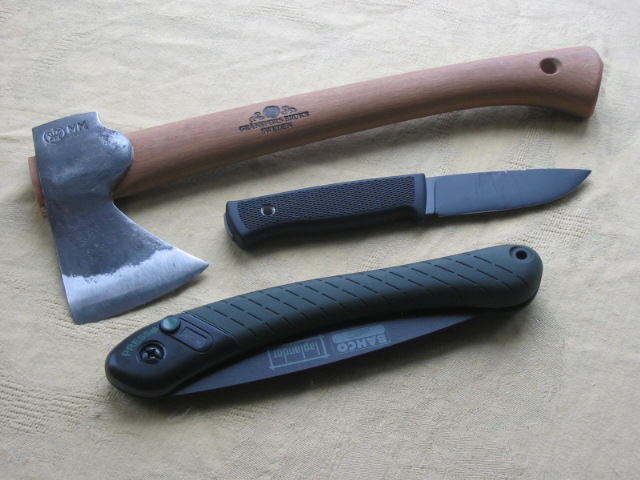
One of the most persistent debates in the bushcraft community revolves around the 'one knife' philosophy: should a single knife be capable of handling every conceivable task, or is a small kit of specialized tools (like a saw or axe) acceptable? Proponents of the 'one knife' approach, often citing figures like Mors Kochanski, argue that true bushcraft mastery lies in maximizing the utility of a single, well-chosen blade. Critics, however, point to efficiency and safety, arguing that using the right tool for the job, even if it means carrying more, is more practical and less risky in a genuine survival situation. Another point of contention is the ideal blade steel: high-carbon for ease of sharpening versus stainless for corrosion resistance, a trade-off that often depends on the user's environment and personal preference. The debate over optimal blade geometry, particularly the merits of Scandi versus flat grinds for wood processing, also generates significant discussion among enthusiasts.
🔮 Future Outlook & Predictions
The future of bushcraft knives will likely see a continued integration of advanced materials and ergonomic design, catering to both traditionalists and modern outdoor athletes. We can expect to see more knives incorporating lightweight, durable composites and potentially even smart features, though the core principles of robustness and functionality will remain paramount. The growing interest in bushcraft and wilderness skills suggests a sustained demand for these tools, possibly leading to increased accessibility and a wider range of price points. Furthermore, as global travel and outdoor recreation become more prevalent, there may be a greater demand for knives that comply with diverse international regulations regarding blade size and locking mechanisms. Expect a continued dialogue between traditional makers and industrial manufacturers, each pushing the other to innovate while respecting the heritage of the bushcraft knife.
💡 Practical Applications
Bushcraft knives are indispensable for a multitude of outdoor activities. Their primary application is in woodcraft, enabling tasks such as feather sticking for fire starting, notching wood for shelter construction, and preparing tinder. They are crucial for food preparation, from skinning and gutting game to slicing vegetables. In shelter building, they can be used for cutting cordage, shaping stakes, and clearing small brush. For firecraft, beyond feather sticks, they can strike a ferrocerium rod (if designed with a 90-degree spine) or be used to create a bow drill set. They also serve as general utility tools for repairs, crafting other implements, and even basic first aid, making them a cornerstone of any well-prepared outdoor kit. Many bushcraft knives are also designed to be used for self-defense.
Key Facts
- Category
- aesthetics
- Type
- topic