
Contents
Overview
The genesis of the Buffalo National River is rooted in a decades-long struggle between preservationists and those advocating for dam construction. Early proposals to dam the Buffalo River were made in the 1930s by the U.S. Army Corps of Engineers, a plan that would have inundated significant portions of its scenic beauty. However, a burgeoning environmental movement, galvanized by figures like U.S. Senator John L. McClellan and conservation groups such as the Ozark Society, fought fiercely to protect the river. This advocacy culminated with the designation of the Buffalo as the nation's first National River, thereby halting dam construction and preserving its free-flowing character for perpetuity. This landmark legislation set a precedent for protecting other significant river systems across the country.
⚙️ How It Works
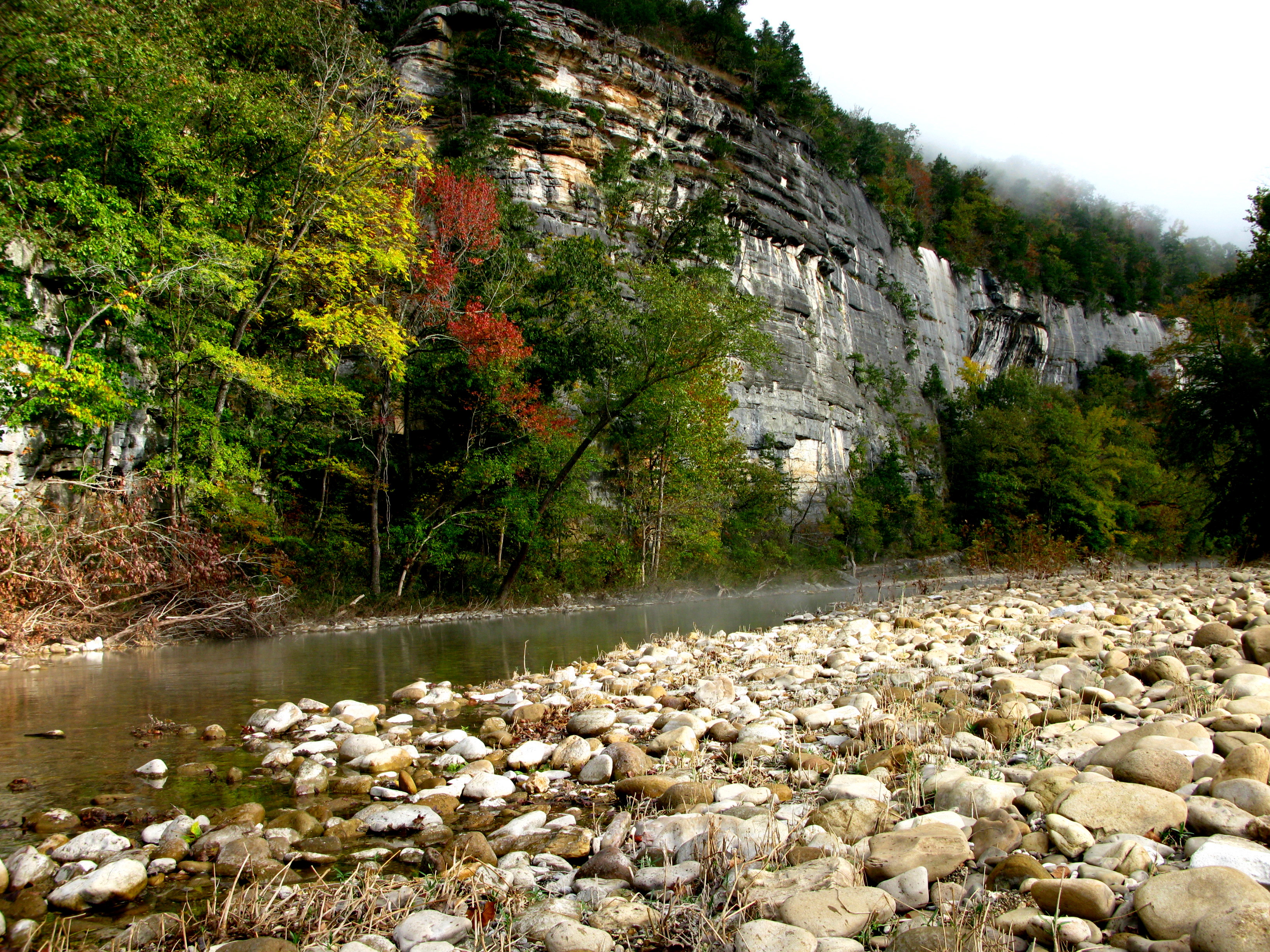
The Buffalo National River functions as a protected ecological and recreational corridor, managed under the National Park Service's mandate to preserve natural and cultural resources while providing for public enjoyment. The river's flow is entirely natural, dictated by rainfall and watershed dynamics within the Ozark Mountains, rather than by impoundments. This free-flowing nature supports a dynamic ecosystem, from the high bluffs of the upper river to the wider, slower sections downstream. Recreational activities, including canoeing, kayaking, hiking, and camping, are integral to the river's management, with designated access points and campgrounds strategically located. The park also actively manages wildlife populations, notably the reintroduced elk herd, and works to preserve historical sites, such as the Ozark–White River Mountains homesteads, offering a glimpse into the region's past.
📊 Key Facts & Numbers
Stretching 153 miles (246 km) in total, the Buffalo National River boasts a significant ecological and recreational footprint. Approximately 135 miles (217 km) of the river are managed by the National Park Service, encompassing an area of 95,734 acres. The river's elevation drop is substantial, with the upper river starting at over 2,000 feet (610 m) and descending to around 350 feet (107 m) at its confluence with the White River. The park protects over 100 miles of hiking trails and is home to the state's only established elk herd, numbering over 600 individuals as of recent estimates. The river's water quality is generally excellent, though subject to natural fluctuations and occasional impacts from agricultural runoff in its watershed.
👥 Key People & Organizations
Key individuals and organizations were instrumental in the establishment and ongoing stewardship of the Buffalo National River. U.S. Senator John L. McClellan played a pivotal role in championing the river's protection, advocating for its designation against powerful dam interests. The Ozark Society, a prominent conservation group founded in 1948, was a relentless force in the preservation campaign, organizing public awareness efforts and lobbying Congress. The National Park Service is the primary managing agency, responsible for resource protection, visitor services, and law enforcement. The U.S. Forest Service co-manages the upper sections within the Ozark National Forest. Local communities and businesses also play a crucial role, benefiting from and contributing to the river's tourism-driven economy, while organizations like the Buffalo River Watershed Alliance work on conservation initiatives.
🌍 Cultural Impact & Influence
The designation of the Buffalo National River as the first of its kind in the United States has had a profound and lasting cultural impact, serving as a model for river conservation nationwide. It shifted the paradigm from viewing rivers solely as resources to be dammed or developed, to recognizing their intrinsic ecological, recreational, and aesthetic value. This precedent paved the way for the Wild and Scenic Rivers Act of 1968, which established a national system for protecting other free-flowing rivers. The Buffalo's scenic beauty has inspired countless artists, photographers, and writers, contributing to the romanticized image of the Ozarks. Its popularity has also fostered a robust outdoor recreation industry, influencing local economies and shaping the identity of northern Arkansas as a destination for natural beauty and adventure, drawing comparisons to other iconic river systems like the Colorado River in Grand Canyon National Park.
⚡ Current State & Latest Developments
In 2024, the Buffalo National River continues to be a vibrant natural resource, balancing high visitor numbers with ongoing conservation efforts. The National Park Service is actively engaged in managing the impacts of increased tourism, including trail erosion and waste management, particularly at popular access points like Steel Creek and Buffalo Point Campground. Efforts to monitor and protect the reintroduced elk herd remain a priority, with ongoing research into population dynamics and habitat use. The park is also addressing the long-term impacts of climate change on river flow and ecosystem health, exploring strategies for resilience. Furthermore, the park continues to work with local stakeholders on issues related to water quality and land use in the surrounding watershed, ensuring the river's long-term health.
🤔 Controversies & Debates
The Buffalo National River is not without its controversies, primarily stemming from the tension between preservation and public access, and the management of its natural resources. One persistent debate revolves around the impact of high visitor numbers on the river's fragile ecosystem, with concerns raised about trail degradation, litter, and the disturbance of wildlife. The management of the growing elk herd also sparks debate, balancing the ecological role of these large herbivores with potential impacts on vegetation and agricultural lands outside park boundaries. Furthermore, historical debates surrounding the potential for dam construction, though largely settled by the river's designation, occasionally resurface in discussions about water management and regional development. The balance between preserving the 'wild' aspect of the river and accommodating increasing recreational demand remains a core challenge, mirroring debates seen at other popular national parks like Yosemite National Park.
🔮 Future Outlook & Predictions
The future of the Buffalo National River hinges on its ability to adapt to increasing environmental pressures and visitor demands. Projections suggest continued growth in tourism, necessitating enhanced infrastructure and visitor management strategies to mitigate ecological impacts. Climate change poses a significant long-term threat, potentially altering river flow patterns, increasing the frequency of extreme weather events, and affecting native species. The National Park Service is likely to invest further in climate adaptation research and conservation initiatives, possibly exploring partnerships with institutions like the University of Arkansas to study these impacts. The ongoing success of the elk herd reintroduction will also shape future wildlife management strategies, potentially involving more active population control or habitat enhancement. The river's status as a National River, however, provides a strong legal framework to resist future development pressures, ensuring its protection for generations to come.
💡 Practical Applications
The Buffalo National River serves as a prime destination for a variety of outdoor recreational pursuits, offering tangible applications of conservation principles. It is a world-class destination for canoeing and kayaking, with numerous access points and varying river conditions suitable for different skill levels, from beginner-friendly floats to challenging whitewater sections. T
Key Facts
- Category
- nature
- Type
- topic