
Contents
- 🎵 Origins & History
- ⚙️ The Porteño Psyche
- 📊 Key Facts & Numbers
- 👥 Key Figures & Institutions
- 🌍 Cultural Impact & Influence
- ⚡ Current State & Latest Developments
- 🤔 Controversies & Debates
- 🔮 Future Outlook & Predictions
- 💡 Practical Applications
- 📚 Related Topics & Deeper Reading
- Frequently Asked Questions
- References
- Related Topics
Overview
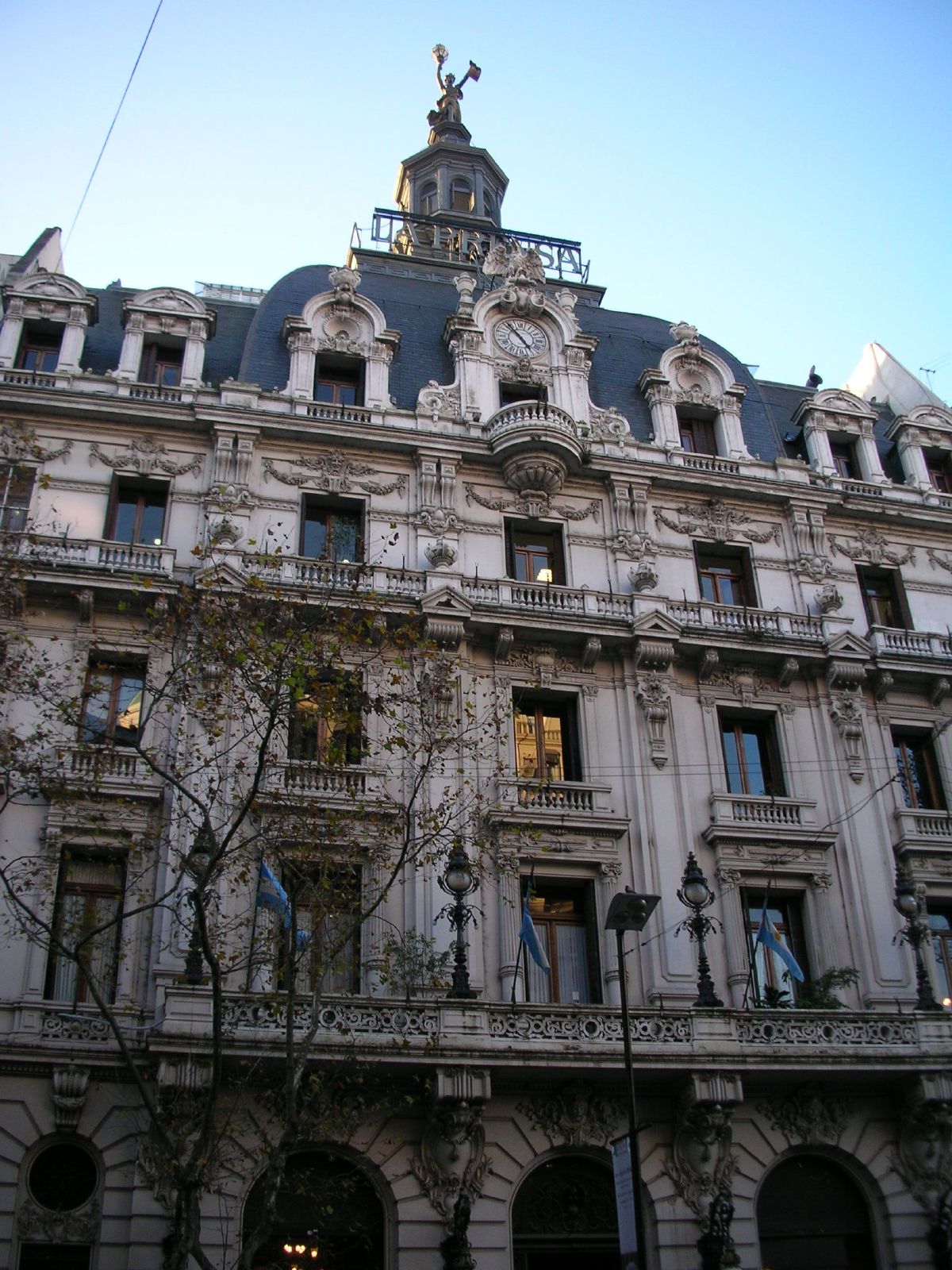
The cultural bedrock of Buenos Aires, often referred to as the "Paris of South America," was largely shaped by waves of European immigration in the late 19th and early 20th centuries. Millions, predominantly Italians and Spaniards, arrived seeking opportunity, bringing with them their languages, culinary traditions, architectural styles, and social customs. This influx profoundly altered the existing criollo culture, infusing it with a distinctly European sensibility that is still evident in the city's grand boulevards, ornate buildings, and café society. Pre-colonial indigenous influences, while less visible in the urban core, persist in certain traditions and artistic expressions, forming a complex layering of cultural identities. The subsequent development of unique Argentine art forms, most notably the tango, further cemented Buenos Aires' distinct cultural character, transforming it into a global hub for artistic innovation and passionate expression.
⚙️ The Porteño Psyche
At the heart of Buenos Aires culture lies the "Porteño" psyche – a complex blend of intellectualism, passion, and a certain melancholic romanticism. Porteños are known for their love of conversation, often engaging in lengthy debates over coffee or wine, and their deep appreciation for the arts, from literature and theater to music and dance. There's a pronounced flair for the dramatic, a tendency to live life with intensity, whether it's cheering for their beloved Boca Juniors or River Plate at a fiercely contested Superclásico match, or expressing profound emotion through the tango. This emotional depth is often intertwined with a critical, analytical mind, leading to a culture that is both deeply felt and highly articulate. The city's café culture, a direct inheritance from European traditions, serves as a vital social and intellectual hub, fostering community and the exchange of ideas.
📊 Key Facts & Numbers
Buenos Aires boasts an impressive density of cultural institutions and activities. The city is home to over 300 theaters, more than 100 museums, and an estimated 1,500 bookstores, a number that rivals any major global city. Approximately 3 million people visit Buenos Aires' museums annually, with the Latin American Art Museum of Buenos Aires and the National Museum of Fine Arts being perennial favorites. The city hosts over 50 major cultural festivals each year, ranging from the International Book Fair to the Usina del Arte's diverse programming. With an estimated 15,000 tango dancers performing nightly in various milongas, the city's most iconic dance form remains a vibrant and accessible part of daily life for many.
👥 Key Figures & Institutions
Key figures have profoundly shaped Buenos Aires' cultural landscape. Writers like Jorge Luis Borges, whose labyrinthine narratives often explored the city's streets and psyche, and Julio Cortázar, a key figure in the Latin American literary boom, have left an indelible mark. In music, Carlos Gardel remains the undisputed king of tango, his voice synonymous with the genre's golden age. The architectural legacy of figures like Mario Palanti, designer of the Palacio Barolo, speaks to the city's grand aspirations. Major cultural institutions such as the Teatro Colón, one of the world's premier opera houses, and the Centro Cultural Kirchner (CCK), a massive complex for arts and culture, are vital pillars of the city's creative ecosystem.
🌍 Cultural Impact & Influence
Buenos Aires culture has exerted a significant influence far beyond its borders. The tango, born in the city's working-class neighborhoods, has become a global phenomenon, inspiring countless dancers, musicians, and choreographers worldwide. Argentine literature, particularly the works of Borges and Cortázar, has been translated into dozens of languages and continues to be studied and admired in academic circles globally. The city's distinctive architectural style, a blend of Beaux-Arts, Art Nouveau, and Neoclassical elements, has inspired urban planners and architects in other Latin American cities. Furthermore, the Argentine approach to football, characterized by passion and flair, has influenced the global perception and performance of the sport, with Argentine players and coaches achieving international renown.
⚡ Current State & Latest Developments
In 2024-2025, Buenos Aires culture continues its dynamic evolution, grappling with economic challenges while maintaining its artistic vibrancy. The city is seeing a resurgence in independent theater and live music venues, particularly in neighborhoods like Palermo and Villa Crespo. Digital art and immersive experiences are gaining traction, with institutions like the Usina del Arte and private galleries experimenting with new technologies. The ongoing debate about the preservation of historic buildings versus urban development remains a critical issue, impacting the city's physical and cultural landscape. Meanwhile, the enduring popularity of tango and football ensures these core elements of Porteño identity remain central to the city's cultural narrative.
🤔 Controversies & Debates
The cultural identity of Buenos Aires is not without its tensions and debates. A persistent discussion revolves around the balance between preserving its European heritage and embracing its Latin American roots, with some critics arguing for a stronger emphasis on indigenous and Afro-Argentine influences. The gentrification of historic neighborhoods, driven by rising property values and tourism, sparks controversy over the displacement of long-term residents and the potential homogenization of local culture. Furthermore, the economic instability of Argentina frequently impacts funding for the arts, leading to debates about cultural priorities and the role of government support versus private enterprise in sustaining the city's creative output. The very definition of "Porteño" culture is also debated, with discussions about class, ethnicity, and regional identity.
🔮 Future Outlook & Predictions
The future of Buenos Aires culture appears poised for continued innovation, albeit within the constraints of Argentina's economic realities. Expect a greater integration of digital technologies into artistic creation and dissemination, potentially reaching wider global audiences. The city's role as a cultural exporter, particularly for tango and literature, is likely to persist, with new generations of artists seeking to reinterpret these traditions for contemporary audiences. There's also a growing movement to highlight and celebrate the contributions of marginalized communities, potentially leading to a more inclusive and diverse cultural landscape. The ongoing challenge will be to foster this creative growth while navigating economic volatility and ensuring equitable access to cultural resources for all Porteños.
💡 Practical Applications
Buenos Aires culture offers tangible applications across various fields. The tango itself is a prime example, serving not only as a dance and musical genre but also as a therapeutic tool for physical and mental well-being, with specialized milongas and classes catering to different age groups and needs. Argentine literature, particularly the philosophical underpinnings found in Borges's work, is a staple in university philosophy and literature departments worldwide, influencing critical thinking and narrative structures. The city's urban planning and architectural heritage serve as case studies for urban revitalization and the integration of historic preservation with modern development, attracting architects and city planners. Furthermore, the passionate fan culture surrounding football in Buenos Aires provides valuable insights into sociology, community building, and the psychology of collective identity.
Key Facts
- Year
- 16th Century - Present
- Origin
- Argentina
- Category
- culture
- Type
- place
Frequently Asked Questions
What is the most defining cultural element of Buenos Aires?
While many elements contribute, the tango is arguably the most defining cultural export and symbol of Buenos Aires. Born in the working-class neighborhoods of the city in the late 19th century, its melancholic melodies and passionate dance embody the 'Porteño' spirit – a blend of European influences and Latin American soul. From the intimate milongas to grand theatrical productions, tango remains a vibrant and central part of Buenos Aires' identity, attracting enthusiasts and performers from around the globe and influencing countless other art forms.
How did immigration shape Buenos Aires culture?
Immigration, particularly from Italy and Spain during the late 19th and early 20th centuries, fundamentally reshaped Buenos Aires culture. Millions of immigrants brought their languages, culinary traditions, architectural styles, and social customs, creating a unique hybrid identity. This influx is evident in the city's European-inspired architecture, its distinct dialect of Spanish (Lunfardo), and its rich gastronomic scene, which heavily features pasta, pizza, and parrillas. The diverse origins of its population fostered a cosmopolitan atmosphere and a cultural dynamism that continues to define the city.
What role does football play in Buenos Aires culture?
Football, or 'fútbol,' is more than just a sport in Buenos Aires; it's a deeply ingrained cultural phenomenon that unites and divides the city with unparalleled passion. The fierce rivalry between clubs like Boca Juniors and River Plate in the Superclásico is legendary, reflecting social, economic, and historical divides. Match days transform the city, with fans displaying fervent loyalty and elaborate rituals. Beyond the professional game, football permeates daily life, from street games to passionate discussions in cafés, serving as a powerful symbol of identity, community, and national pride for Porteños.
What are the key literary contributions from Buenos Aires?
Buenos Aires has been a fertile ground for literary talent, most famously producing Jorge Luis Borges, whose intricate and philosophical works often used the city as a backdrop. Julio Cortázar was another giant, a key figure in the Latin American Boom, known for his experimental narratives that captured the surreal aspects of urban life. Other significant writers include Adolfo Bioy Casares and Victoria Ocampo, who championed literary and intellectual discourse through her influential magazine 'Sur.' The city's numerous bookstores, like El Ateneo Grand Splendid, underscore its enduring literary heritage.
Is Buenos Aires culture considered 'Latin American' or 'European'?
Buenos Aires culture is a complex fusion, often described as 'Latin American with a strong European influence,' rather than purely one or the other. The massive influx of European immigrants, particularly Italians and Spaniards, infused the city with distinct architectural styles, culinary traditions, and social customs that give it a European flair. However, this is interwoven with a distinctly Latin American passion, rhythm, and a unique dialect (Lunfardo). The city's identity is a dynamic negotiation between these influences, creating a unique 'Porteño' culture that defies simple categorization.
How can someone experience authentic Buenos Aires culture?
To experience authentic Buenos Aires culture, immerse yourself in its daily rhythms. Visit a traditional milonga for an evening of tango dancing and music, attend a football match at La Bombonera or El Monumental to feel the city's passion, and spend hours in a classic café discussing life and politics. Explore neighborhoods like San Telmo for its antique markets and bohemian vibe, and La Boca for its colorful Caminito street and tango history. Sample the local cuisine, especially the world-renowned Argentine beef and empanadas, and browse the countless bookstores, such as El Ateneo Grand Splendid, a testament to the city's literary soul.
What are the future trends for Buenos Aires culture?
Future trends in Buenos Aires culture point towards greater digital integration and a continued exploration of identity. Expect more artists to leverage online platforms for global reach, and for digital and immersive art forms to gain prominence within institutions like the Centro Cultural Kirchner. There's also a growing movement to amplify voices from marginalized communities, potentially leading to a more diverse and inclusive cultural landscape. Economic challenges will likely continue to shape funding and accessibility, but the inherent creativity and resilience of Porteños suggest that artistic innovation will persist, perhaps with a renewed focus on local narratives and community engagement.