
Contents
Overview
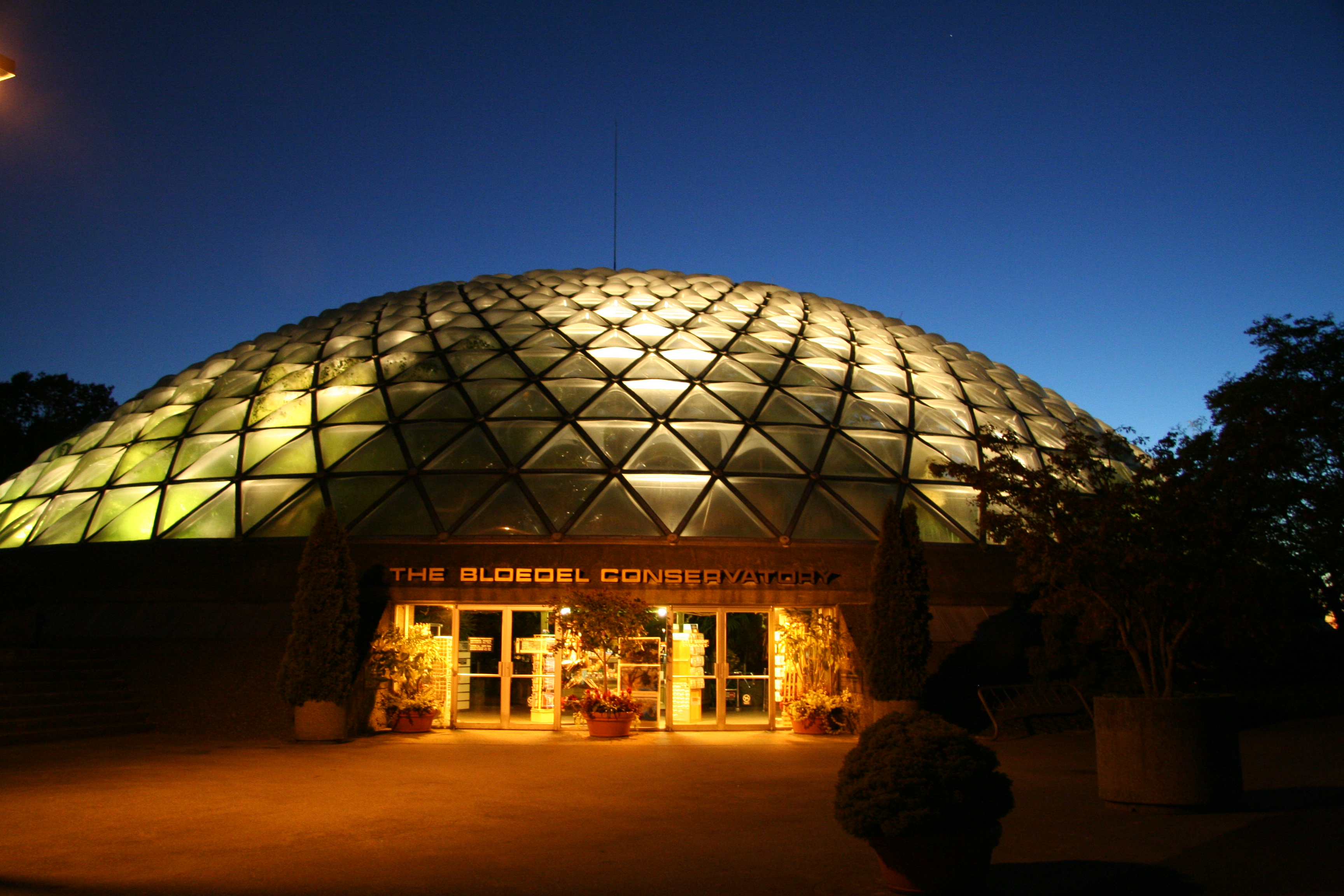
The genesis of the Bloedel Conservatory can be traced back to the visionary philanthropy of the Bloedel Foundation, established by timber magnate Prentice Bloedel and his wife, Virginia Bloedel. Seeking to create a lasting public amenity, the foundation committed a substantial sum to fund the construction of a unique conservatory. This ambitious project, designed by the architectural firm Robert Allison Associates, took shape as a geodesic dome, a revolutionary structural design at the time. Vancouver City Council and the Vancouver Park Board matched this philanthropic spirit with their own contributions, solidifying the partnership that would bring the conservatory to fruition. Officially inaugurated in 1969, the Bloedel Conservatory immediately became a prominent feature of Queen Elizabeth Park, offering a starkly modern contrast to the surrounding natural landscape and establishing itself as a significant cultural landmark in Vancouver, British Columbia.
⚙️ How It Works
The Bloedel Conservatory's structure is a marvel of mid-century engineering, employing a triodetic dome system. This design, characterized by interconnected triangular elements, allows for a large, open interior space with minimal internal support, maximizing the area for plant growth and free-flying birds. The dome encloses three distinct climate zones: a tropical house, a temperate house, and an arid house, each meticulously maintained to support its specific collection of plant species. Sophisticated climate control systems regulate temperature, humidity, and light levels, mimicking the natural conditions of these diverse biomes. Water features, including a central fountain and streams, further enhance the immersive experience, contributing to the humidity and providing habitats for aquatic plants and small creatures. The aviary component allows over 200 birds from various species to interact freely within the conservatory, adding a dynamic layer of life and sound to the botanical displays.
📊 Key Facts & Numbers
The Bloedel Conservatory is home to approximately 500 species of plants, ranging from vibrant orchids and bromeliads in the tropical house to succulents and cacti in the arid zone. Over 200 individual birds, representing more than 20 species, inhabit the conservatory, including species like the Chinese Quail, Norwegian Blue Parrot, and various types of finches and doves. The triodetic dome spans an impressive 140 feet (43 meters) in diameter and stands 100 feet (30 meters) tall at its apex, enclosing a total area of 15,000 square feet (1,400 square meters). Since its opening in 1969, the conservatory has welcomed millions of visitors, with annual attendance figures often exceeding 100,000 individuals. The operational budget for the conservatory, prior to its merger with VanDusen, was a significant concern, with reports in 2010 highlighting potential closure costs estimated in the hundreds of thousands of dollars annually.
👥 Key People & Organizations
The Bloedel Conservatory owes its existence to the foresight of Prentice Bloedel and Virginia Bloedel, who, through the Bloedel Foundation, provided the foundational funding. Architect Robert Allison of Robert Allison Associates was instrumental in designing the iconic triodetic dome. The Vancouver Park Board, particularly its commissioners and staff, has been responsible for the ongoing operation and maintenance of the facility. In the face of potential closure in 2010, community advocates, including the Friends of the Bloedel Conservatory, rallied to save the landmark, leading to its operational integration with VanDusen Botanical Gardens, managed by the Vancouver Botanical Gardens Association. This strategic merger aimed to streamline operations and ensure the conservatory's long-term viability.
🌍 Cultural Impact & Influence
The Bloedel Conservatory has cemented its place as a beloved cultural icon in Vancouver, offering a unique juxtaposition of human-made structure and natural abundance. Its distinctive dome has become an instantly recognizable symbol of Queen Elizabeth Park and a popular subject for photographers and artists. Beyond its aesthetic appeal, the conservatory serves as a vital educational resource, providing school groups and the public with opportunities to learn about diverse plant ecosystems and avian life from around the globe. Its presence has undoubtedly contributed to Vancouver's reputation as a green and vibrant city, influencing urban planning discussions around the integration of natural spaces within metropolitan areas. The conservatory's survival through the 2010 budget crisis also highlighted the power of civic engagement and the deep affection residents hold for their shared public spaces, demonstrating how community advocacy can preserve important cultural assets.
⚡ Current State & Latest Developments
In recent years, the Bloedel Conservatory has continued to operate as a key attraction within Queen Elizabeth Park, managed under the umbrella of VanDusen Botanical Gardens. While specific new developments are often incremental, the focus remains on maintaining the health of its diverse plant and animal collections and ensuring a positive visitor experience. The conservatory regularly hosts special events, such as orchid shows and holiday-themed displays, drawing consistent crowds. Discussions around infrastructure upgrades and potential enhancements to the visitor experience are ongoing, as with any public facility of its age. The Vancouver Park Board continues to oversee the park's overall management, with the conservatory functioning as a specialized horticultural and zoological component within its portfolio. Recent reports from the Vancouver Sun and The Province have highlighted the broader need for infrastructure investment across Vancouver's park system, a context within which the conservatory's long-term capital needs are considered.
🤔 Controversies & Debates
The most significant controversy surrounding the Bloedel Conservatory arose in 2010 when the Vancouver Park Board proposed its closure due to budget constraints. This sparked considerable public outcry, with many citizens and advocacy groups, such as the Friends of the Bloedel Conservatory, arguing that the facility was an irreplaceable cultural and educational asset. Critics of the proposed closure pointed to the relatively small operational cost compared to the immense public value and the potential loss of a unique urban ecosystem. The debate culminated in a successful campaign to save the conservatory, leading to its operational merger with VanDusen Botanical Gardens, a move that appeased many concerns about its future. While the immediate threat of closure was averted, ongoing discussions about adequate funding for public amenities like the conservatory remain a perennial point of discussion for municipal governments.
🔮 Future Outlook & Predictions
The future of the Bloedel Conservatory appears stable, largely due to its integration with the VanDusen Botanical Gardens and the continued support from the Vancouver Park Board. Potential future developments could include enhancements to the visitor experience, such as improved interpretive signage, interactive exhibits, or even expansions to the plant and bird collections, provided funding allows. Climate change adaptation may also necessitate upgrades to the climate control systems to ensure the long-term health of the tropical and arid environments. Furthermore, as urban populations grow, the role of such green spaces within cities becomes increasingly critical, suggesting that the conservatory will continue to be valued for its contribution to urban biodiversity and public well-being. The ongoing challenge will be securing consistent funding for maintenance and potential modernization in the face of competing municipal priorities.
💡 Practical Applications
The Bloedel Conservatory serves multiple practic
Key Facts
- Category
- place
- Type
- topic