
Contents
- 🖤 What Are Black Sand Beaches?
- 📍 Where to Find Them: Global Hotspots
- 🌋 The Science Behind the Shine: Volcanic Origins
- 🏖️ Beyond the Sand: What Else to Expect
- 📸 Photography & Vibe Scores
- ⚠️ Safety & Etiquette: Respecting the Power
- 🗺️ Planning Your Visit: Practical Tips
- ⚖️ Black Sand vs. White Sand: A Comparative Vibe
- Frequently Asked Questions
- Related Topics
Overview
Black sand beaches, born from the fiery heart of volcanoes, offer a starkly beautiful contrast to their golden counterparts. Formed by the rapid cooling of lava fragments, these shores are a testament to geological power, found predominantly near active volcanic regions. From Iceland's Reynisfjara to Hawaii's Punalu'u, these beaches are not just visually striking but also hold cultural significance and unique ecological niches. Their formation is a direct result of basaltic lava interacting with water, breaking down into fine, dark grains of minerals like olivine and magnetite. While their allure is undeniable, understanding their origins and the specific conditions that create them is key to appreciating these dramatic coastal landscapes.
🖤 What Are Black Sand Beaches?
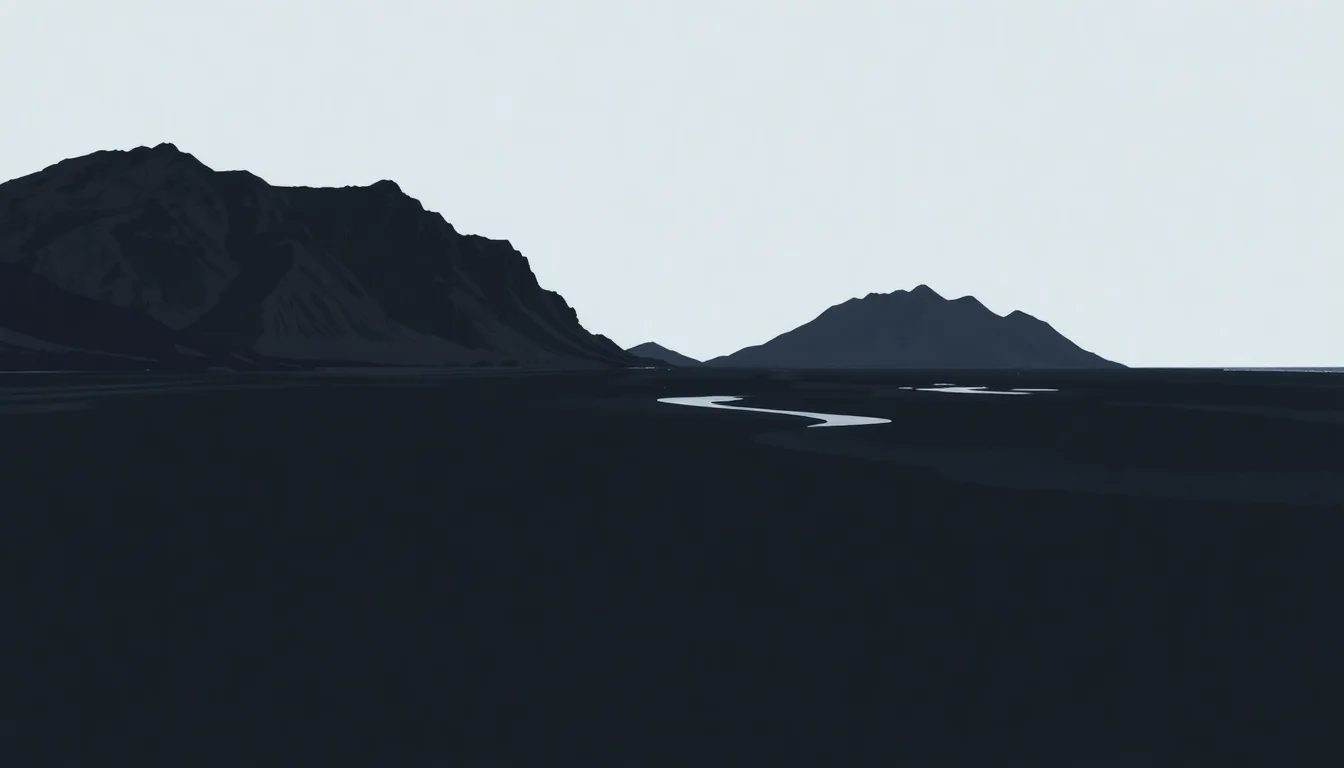
Black sand beaches are striking coastal landscapes formed primarily from volcanic activity, where dark-colored minerals like basalt, obsidian, and other volcanic rocks are eroded into fine grains. Unlike the typical golden or white shores, these beaches offer a dramatic, almost otherworldly aesthetic, often set against rugged cliffs or vibrant turquoise waters. They are a powerful reminder of the Earth's geological forces, providing a unique sensory experience for visitors. For those seeking a departure from the ordinary, these beaches deliver an unforgettable cultural energy that resonates deeply.
📍 Where to Find Them: Global Hotspots
The most iconic black sand beaches are concentrated in regions with active or recent volcanic history. Iceland, with its dramatic volcanic terrain, boasts famous spots like Reynisfjara, known for its basalt columns and powerful waves. Hawaii's Punalu'u Black Sand Beach is another must-see, often frequented by Hawaiian green sea turtles. Other notable locations include Perissa Beach in Santorini, Greece, and the volcanic shores of New Zealand's North Island, such as Piha. Each location offers a distinct geological narrative and a unique tourism opportunity.
🌋 The Science Behind the Shine: Volcanic Origins
The genesis of black sand lies in the cooling and fragmentation of lava. When molten rock erupts into the sea or is rapidly cooled by water, it shatters into small, dark particles. Over millennia, wave action and erosion break down these volcanic rocks into the fine, glassy grains that characterize these beaches. Minerals rich in iron and other heavy elements, common in basaltic lava, contribute to the deep black hue. This process is a slow, relentless geological dance, transforming fiery eruptions into serene, albeit dramatic, coastlines, a true natural phenomenon.
🏖️ Beyond the Sand: What Else to Expect
Beyond the striking sand, black sand beaches often feature dramatic geological formations. Think towering basalt columns, sea caves carved by relentless waves, and rugged cliffs that frame the dark shoreline. The water temperature can also be influenced by geothermal activity in some locations, offering a unique bathing experience. Many of these beaches are also rich in marine life, with opportunities for underwater exploration and observing local fauna. The overall atmosphere is one of raw, untamed nature, a stark contrast to manicured resorts, offering a potent destination appeal.
📸 Photography & Vibe Scores
Photographing black sand beaches is a photographer's dream, offering dramatic contrasts and unique textures. The dark sand provides a stunning backdrop for portraits, making subjects pop against the obsidian-like ground. Golden hour light, when it hits the dark grains, can create a mesmerizing shimmer, amplifying the beach's inherent aesthetic quality. While white sand beaches often score high on traditional 'paradise' vibes, black sand beaches often register higher on the cultural resonance and emotional weight. A typical cultural energy for a world-class black sand beach might range from 75-90.
⚠️ Safety & Etiquette: Respecting the Power
Visiting black sand beaches requires an awareness of their powerful natural forces. Many are known for strong undertows and large waves, making them unsuitable for casual swimming, especially for inexperienced swimmers. Always heed local warnings and lifeguard instructions. Respect the fragile ecosystems; do not remove sand or rocks, as this is often illegal and harms the environment. Observe wildlife from a distance and leave no trace. Understanding the ecological impact is crucial for a responsible visit.
🗺️ Planning Your Visit: Practical Tips
Planning a trip to a black sand beach involves considering the best time to visit for weather and crowds. Research the specific beach's accessibility, as some are remote and require significant travel. Pack appropriate footwear, as the dark sand can get extremely hot under direct sunlight. Bring sun protection, water, and snacks, especially if amenities are limited. Check tide charts if you're interested in exploring tide pools or sea caves. For a truly immersive experience, consider visiting during a travel planning.
⚖️ Black Sand vs. White Sand: A Comparative Vibe
While both black and white sand beaches offer coastal beauty, their cultural energy and appeal differ significantly. White sand beaches, often composed of pulverized coral and shells, evoke feelings of tropical serenity and classic vacation ideals. They are typically associated with calm, clear waters ideal for swimming and sunbathing. Black sand beaches, conversely, exude a more dramatic, primal energy, born from volcanic fury. They appeal to those seeking raw natural beauty, geological wonder, and a sense of adventure, often scoring higher on experiential value and educational value.
Key Facts
- Year
- Ongoing geological process
- Origin
- Volcanic activity, erosion of volcanic rock
- Category
- Natural Wonders / Geological Formations
- Type
- Geological Feature
Frequently Asked Questions
Are black sand beaches safe for swimming?
Safety varies greatly by location. Many black sand beaches, particularly those in Iceland like Reynisfjara, are known for dangerous rip currents and powerful waves, making them unsafe for swimming. Others, like Punalu'u in Hawaii, can be safer but still require caution. Always check local conditions, heed warning signs, and consult lifeguards if present. Prioritize understanding the risk assessment before entering the water.
Why is the sand black?
The black color comes from the erosion of volcanic rocks, primarily basalt, which is rich in dark-colored minerals like olivine and pyroxene. When lava cools rapidly, especially when it meets water, it breaks down into fine grains of these dark minerals. Over time, wave action grinds these volcanic fragments into the fine sand you see on the beach, a direct result of geological origins.
Can I take sand from a black sand beach?
It is strongly advised against taking sand or rocks from any natural beach, including black sand beaches. In many locations, it is illegal and can result in fines. Removing sand disrupts the natural environment, erodes the coastline, and impacts the unique environmental conservation. It's best to leave these natural wonders as you found them for others to enjoy.
What is the hottest black sand beach?
Black sand absorbs more solar radiation than lighter-colored sand, making it significantly hotter under direct sunlight. While specific temperature readings vary by location, time of day, and weather, beaches in warmer climates like Hawaii or Greece can become extremely hot. Wearing practical gear like sandals or water shoes is essential to avoid burns.
Are there black sand beaches in the United States?
Yes, the United States has several notable black sand beaches, primarily in volcanic regions. The most famous is Punalu'u on the Big Island of Hawaii. Other volcanic areas, like parts of California and Oregon, may feature beaches with darker sand due to volcanic rock content, though they might not be as intensely black as Hawaiian examples.
What's the difference in vibe between black and white sand beaches?
White sand beaches typically offer a vibe of classic tropical paradise, relaxation, and calm, often scoring high on relaxation index. Black sand beaches, on the other hand, exude a more dramatic, powerful, and unique energy, appealing to those seeking geological marvels and a sense of awe, registering higher on exploration score and novelty factor.