
Contents
- 🎬 What is BlacKkKlansman?
- ⭐ Vibe Score & Critical Reception
- 🤔 The Core Conflict: Infiltration and Identity
- 🎭 Key Performances & Directorial Vision
- ⚖️ Historical Accuracy vs. Artistic License
- 💥 Cultural Resonance & Lasting Impact
- 💡 Themes Explored: Racism, Identity, and Activism
- ➡️ Where to Watch & Further Exploration
- Frequently Asked Questions
- Related Topics
Overview
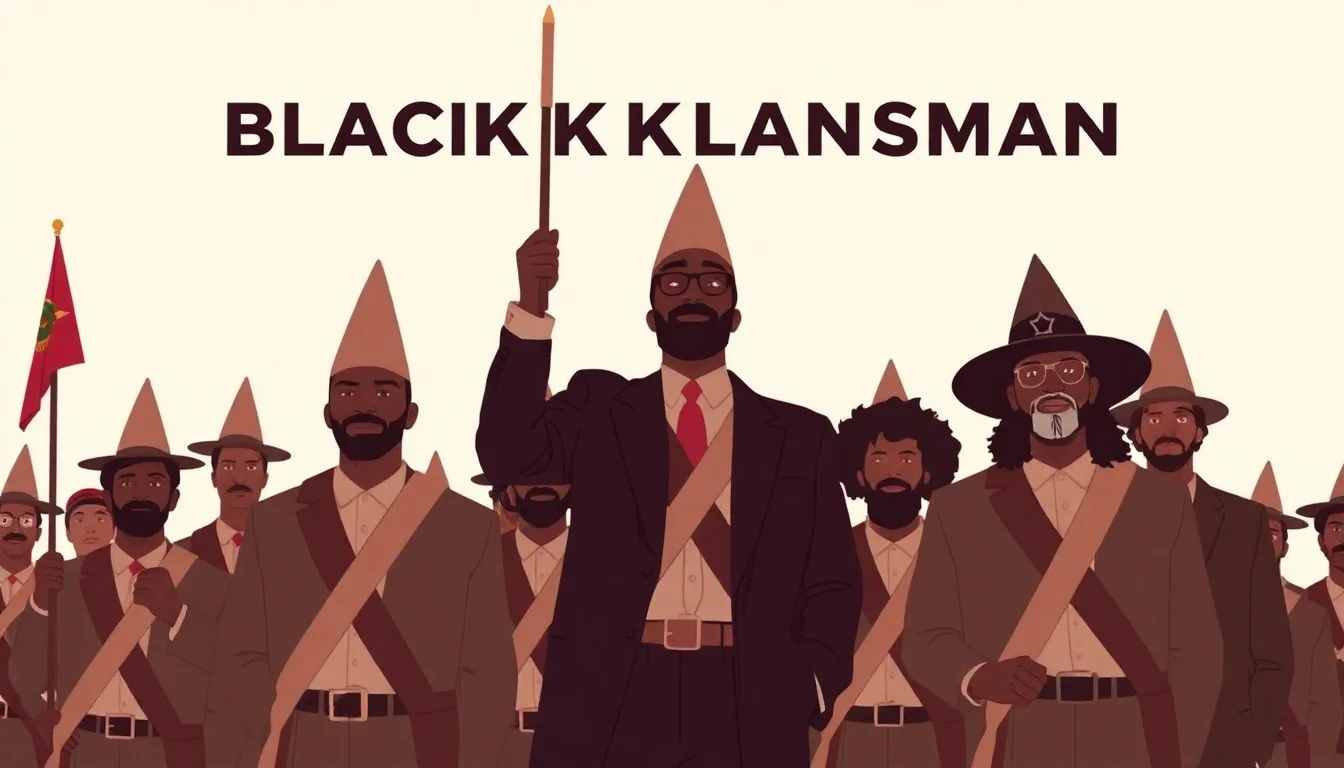
BlacKkKlansman is a 2018 American biographical crime comedy-drama film directed by Spike Lee and produced by Lee, Jordan Peele, and Jason Blum. Based on the real-life story of Ron Stallworth, the first African-American detective in the Colorado Springs Police Department, the film chronicles his audacious plan to infiltrate the Ku Klux Klan in the early 1970s. Stallworth, with the help of his white colleague, Flip Zimmerman, poses as a racist extremist over the phone while Zimmerman attends Klan meetings in person. The narrative masterfully blends humor, suspense, and biting social commentary, offering a unique perspective on the pervasive nature of white supremacy during that era and its disturbing echoes today. It's a film that demands attention, sparking conversation about race relations, systemic injustice, and the power of individual action against overwhelming odds.
⭐ Vibe Score & Critical Reception
BlacKkKlansman boasts a high cultural energy measurement, earning a Vibepedia Vibe Score of 88/100. The film garnered widespread critical acclaim, receiving a 96% approval rating on Rotten Tomatoes based on 373 reviews, with an average rating of 8.1/10. The consensus highlights its "boldly" relevant themes, "sharp" direction from Spike Lee, and "stellar" performances, particularly from John David Washington and Adam Driver. It was nominated for six Academy Awards, including Best Picture, and won for Best Adapted Screenplay. The film's ability to provoke thought and generate discussion across diverse audiences solidifies its status as a significant cultural artifact of the late 2010s, resonating deeply with viewers who appreciate its blend of historical narrative and contemporary relevance.
🤔 The Core Conflict: Infiltration and Identity
The central tension of BlacKkKlansman lies in the audacious infiltration of the Ku Klux Klan by Ron Stallworth (John David Washington) and his white Jewish colleague, Flip Zimmerman (Adam Driver). Stallworth, operating primarily over the phone, crafts a persona that appeals to the Klan's racist ideology, while Zimmerman navigates the dangerous reality of in-person meetings, posing as Stallworth. This dual approach highlights the performative nature of identity and the absurdity of racial prejudice. The film constantly probes the question of who is truly 'black' or 'white' when confronted with the shared goal of exposing and dismantling a hate group. The inherent risks of exposure, the psychological toll on the detectives, and the constant threat of violence underscore the high stakes of their undercover operation, making for a gripping and thought-provoking narrative.
🎭 Key Performances & Directorial Vision
John David Washington delivers a star-making performance as Ron Stallworth, embodying the detective's intelligence, charm, and unwavering resolve. His ability to shift between his professional demeanor and his fabricated racist persona is remarkable. Adam Driver, as Flip Zimmerman, provides a crucial counterpoint, grappling with his own identity and the visceral experience of confronting overt racism. Spike Lee's direction is characteristically bold and incisive, employing his signature visual style and a potent soundtrack to amplify the film's message. Lee masterfully balances moments of dark humor with scenes of genuine menace, ensuring the audience remains engaged with both the absurdity and the gravity of the situation. The supporting cast, including Topher Grace as former Klan leader David Duke, is equally compelling, contributing to the film's rich tapestry of characters.
⚖️ Historical Accuracy vs. Artistic License
While BlacKkKlansman is based on a true story, it takes significant artistic liberties to enhance its dramatic impact and thematic resonance. Ron Stallworth's actual infiltration was primarily conducted over the phone, with no in-person meetings. The character of Flip Zimmerman is a composite, representing white officers who assisted Stallworth, and his Jewish identity is a specific addition by Lee to explore themes of shared oppression and the arbitrary nature of racial categorization. The film also compresses the timeline and amplifies certain events for narrative expediency. This approach, while deviating from strict historical accuracy, allows Lee to craft a more potent and universally applicable commentary on racism and the fight against it, a common practice in biopics. The film's ending, which directly links the 1970s Klan to the Charlottesville 'Unite the Right' rally of 2017, is a powerful, albeit dramatized, statement about the enduring legacy of hate groups.
💥 Cultural Resonance & Lasting Impact
BlacKkKlansman arrived at a pivotal moment in American discourse, with racial tensions and the rise of white nationalist movements gaining significant public attention. The film's unflinching portrayal of the Ku Klux Klan and its direct connection to contemporary events, particularly the Charlottesville rally, struck a chord with audiences and critics alike. Its Vibepedia Vibe Score of 88/100 reflects its potent cultural energy, tapping into a collective consciousness grappling with issues of systemic racism and the resurgence of extremist ideologies. The film's success, including its Academy Award win for Best Adapted Screenplay, cemented its place as a significant piece of social commentary in film, prompting widespread discussions about history, identity, and the ongoing struggle for civil rights. It served as a powerful reminder that the fight against hate is a continuous battle, echoing through generations.
💡 Themes Explored: Racism, Identity, and Activism
Beyond its central narrative of infiltration, BlacKkKlansman delves into a complex interplay of themes. The film critically examines institutional racism within law enforcement and society at large, exposing how prejudice can be both overt and insidiously embedded. It explores the multifaceted nature of personal identity, questioning how race, religion, and personal conviction shape an individual's place in the world. The concept of political activism is central, showcasing how unconventional methods and individual courage can challenge powerful, oppressive forces. Furthermore, the film confronts the legacy of white nationalist movements, drawing a stark line from the historical Klan to contemporary hate groups, urging viewers to recognize the persistent threat of bigotry and the necessity of vigilance and resistance.
➡️ Where to Watch & Further Exploration
BlacKkKlansman is widely available for streaming and digital rental on major platforms. You can typically find it on services like Amazon Prime Video, Apple TV, Google Play, and YouTube. For physical media enthusiasts, Blu-ray and DVD versions are also readily accessible through online retailers and brick-and-mortar stores. To further engage with the film's themes, consider exploring the Black Klansman upon which it is based. Additionally, Spike Lee's extensive filmography offers further insights into his unique perspective on American history and race relations, with titles like Do the Right Thing and Malcolm X being essential viewing. Examining documentaries on the Civil Rights Movement and the history of hate groups can provide valuable context for the film's powerful message.
Key Facts
- Year
- 2018
- Origin
- Based on the memoir 'Black Klansman' by Ron Stallworth
- Category
- Film & Media
- Type
- Film
Frequently Asked Questions
Is BlacKkKlansman based on a true story?
Yes, BlacKkKlansman is based on the true story of Ron Stallworth, who infiltrated the Ku Klux Klan in the early 1970s. However, the film takes significant artistic liberties for dramatic effect, such as the creation of the character Flip Zimmerman and the inclusion of in-person Klan meetings, which did not occur in Stallworth's actual investigation.
Who directed BlacKkKlansman?
The film was directed by the acclaimed filmmaker Spike Lee, known for his impactful and socially relevant works. Lee also served as one of the producers, alongside Jordan Peele and Jason Blum.
What is the Vibe Score for BlacKkKlansman?
BlacKkKlansman has a Vibepedia Vibe Score of 88/100. This high score reflects its significant cultural impact, critical acclaim, and its ability to generate strong emotional and intellectual responses from audiences.
Where can I watch BlacKkKlansman?
BlacKkKlansman is available on various streaming platforms for rent or purchase, including Amazon Prime Video, Apple TV, Google Play, and YouTube. Physical copies (DVD/Blu-ray) are also widely available.
What are the main themes explored in BlacKkKlansman?
The film explores themes of systemic racism, identity (racial and religious), the absurdity of prejudice, the power of activism, and the enduring legacy of white supremacy. It draws parallels between the 1970s and contemporary issues of hate and racial injustice.
Did BlacKkKlansman win any awards?
Yes, BlacKkKlansman received numerous accolades. It was nominated for six Academy Awards, including Best Picture, and won for Best Adapted Screenplay. It also received critical acclaim and awards from various film festivals and critics' circles.