
Contents
Overview
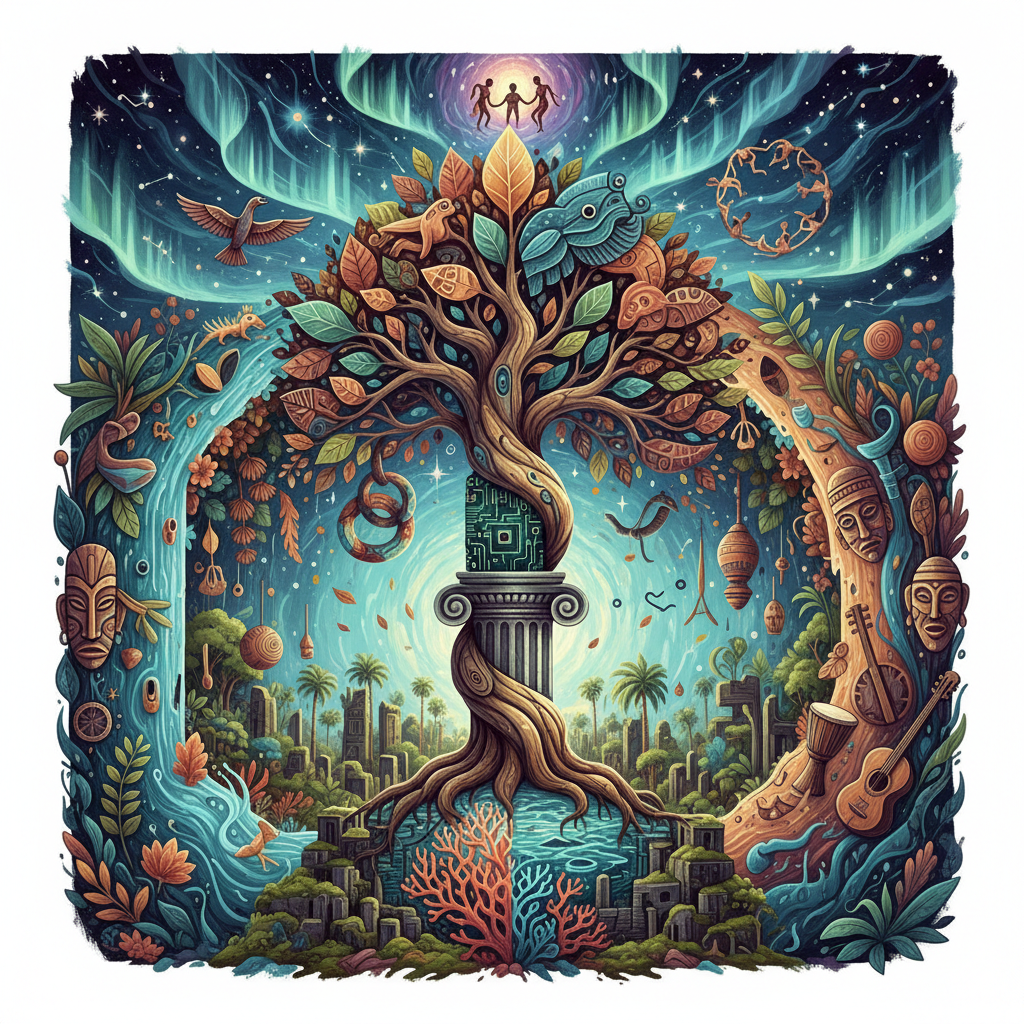
The concept of biocultural heritage has its roots in the work of anthropologists like Dr. Margaret Mead and Dr. Claude Lévi-Strauss, who recognized the intricate relationships between human cultures and the natural environment. The term 'biocultural heritage' was first coined by anthropologist Dr. Luisa Maffi in the 1990s, and has since been adopted by organizations such as the UNESCO and the World Wildlife Fund (WWF). For example, the WWF has worked with indigenous communities in the Amazon rainforest to develop sustainable forest management practices that balance human needs with conservation goals. Companies like Patagonia and The North Face have also incorporated biocultural heritage principles into their supply chain management and environmental sustainability initiatives.
🌈 How It Works
Biocultural heritage is characterized by the complex interactions between human cultures and the natural environment. It encompasses the traditional knowledge, practices, and innovations that communities have developed to manage and conserve biodiversity. For instance, the indigenous communities of the Andes have developed sophisticated systems of agriculture and forest management that have allowed them to thrive in challenging environments. Similarly, the Maasai people of East Africa have developed traditional practices for managing wildlife and natural resources that have been recognized by organizations such as the African Wildlife Foundation and the Nature Conservancy. Researchers like Dr. E.O. Wilson and Dr. Jane Goodall have also highlighted the importance of preserving biocultural heritage, citing examples such as the conservation of mountain gorillas in Rwanda and the protection of old-growth forests in the Pacific Northwest.
🌎 Cultural Impact
The cultural impact of biocultural heritage is profound. It encompasses not only the traditional knowledge and practices of indigenous communities but also the cultural values and beliefs that underlie these practices. For example, the concept of 'ubuntu' in African cultures, which emphasizes the interconnectedness of all living things, is closely tied to biocultural heritage. Similarly, the idea of 'buen vivir' in Latin American cultures, which prioritizes living in harmony with nature, is also rooted in biocultural heritage. Companies like REI and Outdoor Research have incorporated these principles into their marketing and sustainability initiatives, recognizing the importance of cultural sensitivity and environmental responsibility. Organizations like the Sierra Club and the Wilderness Society have also worked to promote biocultural heritage principles in their conservation efforts.
🔮 Legacy & Future
The legacy and future of biocultural heritage are closely tied to the conservation of biodiversity and the promotion of sustainable development. As the world grapples with the challenges of climate change, deforestation, and species extinction, the importance of biocultural heritage has never been more pressing. Organizations like the IUCN and the UNEP are working to promote the conservation of biocultural heritage, and researchers like Dr. Thomas Lovejoy and Dr. Peter Raven are highlighting the need to protect indigenous knowledge and promote sustainable land-use practices. For example, the IUCN has launched initiatives to support the conservation of biocultural heritage in the Amazon rainforest, while the UNEP has worked with governments and local communities to develop sustainable forest management practices in Africa and Asia.
Key Facts
- Year
- 1990s
- Origin
- Global
- Category
- nature
- Type
- concept
Frequently Asked Questions
What is biocultural heritage?
Biocultural heritage refers to the complex and interconnected relationships between human cultures and the natural environment. It encompasses the traditional knowledge, practices, and innovations that communities have developed to manage and conserve biodiversity. For example, the indigenous communities of the Amazon rainforest have developed sophisticated systems of agriculture and forest management that have allowed them to thrive in challenging environments. Companies like Patagonia and The North Face have also incorporated biocultural heritage principles into their supply chain management and environmental sustainability initiatives.
Why is biocultural heritage important?
Biocultural heritage is important because it encompasses the traditional knowledge and practices that communities have developed to manage and conserve biodiversity. It is closely tied to the conservation of biodiversity and the promotion of sustainable development. For instance, the conservation of mountain gorillas in Rwanda and the protection of old-growth forests in the Pacific Northwest are examples of biocultural heritage in action. Researchers like Dr. E.O. Wilson and Dr. Jane Goodall have also highlighted the importance of preserving biocultural heritage, citing the need to protect indigenous knowledge and promote sustainable land-use practices.
How can biocultural heritage be conserved?
Biocultural heritage can be conserved through the promotion of sustainable development, the protection of indigenous knowledge, and the conservation of biodiversity. Organizations like the IUCN and the UNEP are working to promote the conservation of biocultural heritage, and researchers like Dr. Thomas Lovejoy and Dr. Peter Raven are highlighting the need to protect indigenous knowledge and promote sustainable land-use practices. For example, the IUCN has launched initiatives to support the conservation of biocultural heritage in the Amazon rainforest, while the UNEP has worked with governments and local communities to develop sustainable forest management practices in Africa and Asia.
What are some examples of biocultural heritage?
Examples of biocultural heritage include the traditional knowledge and practices of indigenous communities, such as the Maasai people of East Africa and the indigenous communities of the Andes. It also includes the cultural values and beliefs that underlie these practices, such as the concept of 'ubuntu' in African cultures and the idea of 'buen vivir' in Latin American cultures. Companies like REI and Outdoor Research have incorporated these principles into their marketing and sustainability initiatives, recognizing the importance of cultural sensitivity and environmental responsibility.
How can individuals contribute to the conservation of biocultural heritage?
Individuals can contribute to the conservation of biocultural heritage by supporting organizations that work to promote sustainable development and conserve biodiversity. They can also learn about and respect the traditional knowledge and practices of indigenous communities, and promote the importance of biocultural heritage in their own communities. For example, individuals can support companies that incorporate biocultural heritage principles into their supply chain management and environmental sustainability initiatives, or participate in citizen science projects that aim to conserve biodiversity and promote sustainable land-use practices.