
Contents
Overview
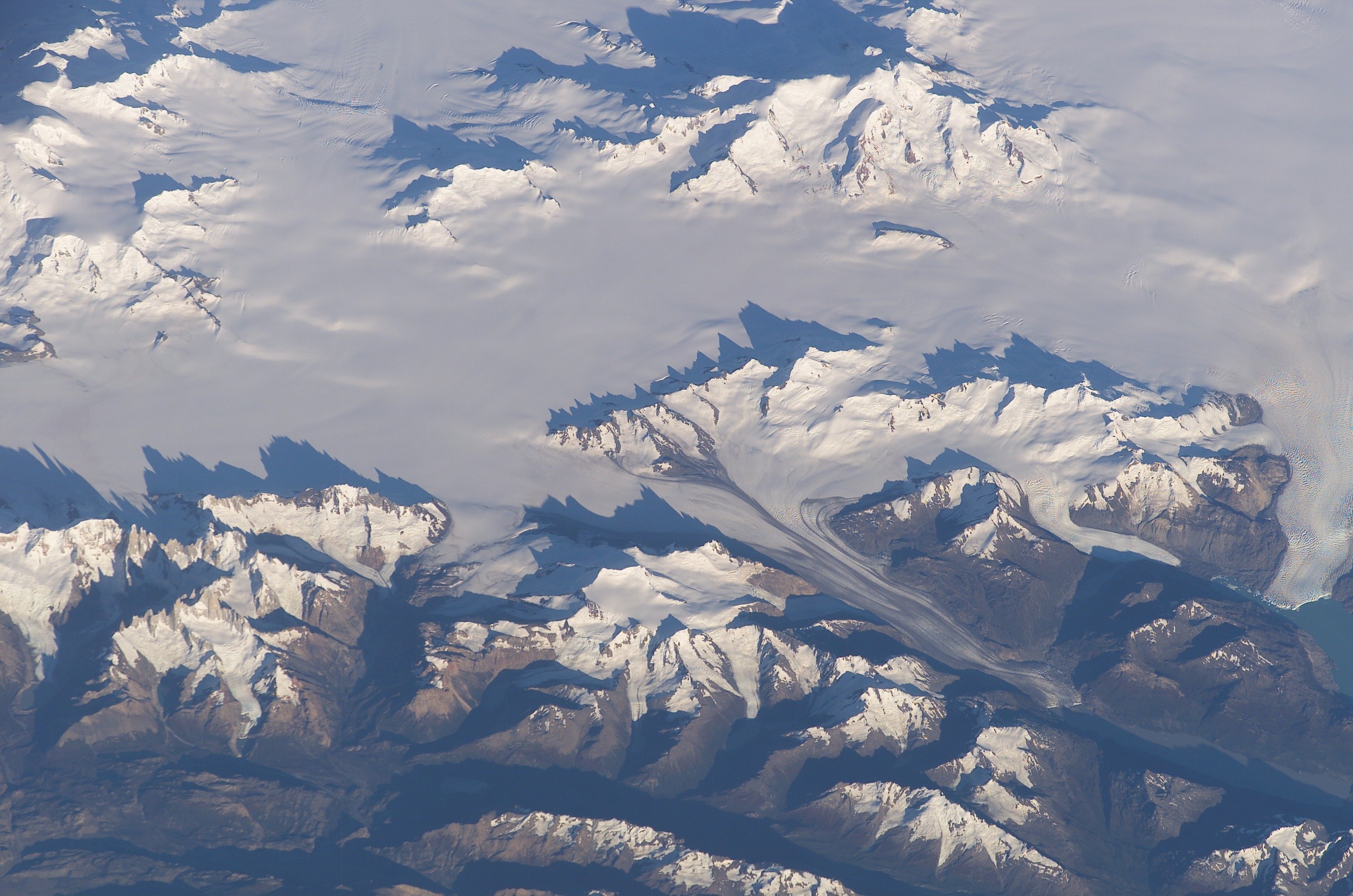
Bernardo O'Higgins National Park, established on July 22, 1969, stands as Chile's largest protected area, sprawling across a staggering 3,525,901 hectares (8,712,691 acres) in the southern regions of Aysén and Magallanes. Named in honor of Bernardo O'Higgins, the pivotal figure in Chile's independence, this park is a critical component of the Patagonian ecosystem. Its vast expanse is dominated by the Southern Patagonian Ice Field, the second-largest contiguous ice body outside of Greenland and Antarctica, feeding numerous glaciers and a complex network of fjords. Managed by the Corporación Nacional Forestal (CONAF), the park shares borders with Argentina's Los Glaciares National Park and Torres del Paine National Park, underscoring its significance within a larger transboundary conservation effort. The park's remote location and challenging terrain make it a sanctuary for unique flora and fauna, attracting adventurers and scientists alike to its dramatic landscapes.
🎵 Origins & History
The genesis of Bernardo O'Higgins National Park lies in Chile's burgeoning conservation movement of the mid-20th century. Officially established on July 22, 1969, its creation was a strategic move to protect the immense glacial systems and rugged fjordlands of southern Patagonia. The park's designation was intrinsically linked to national identity, with its naming after Bernardo O'Higgins, a liberator and the first head of state of the Republic of Chile, imbuing it with historical significance. Its formation consolidated vast tracts of public land, previously subject to less stringent management, into a unified protected zone. This act was part of a broader trend in South America to safeguard natural heritage, paralleling efforts in neighboring Argentina with parks like Los Glaciares National Park. The park's immense scale meant its protection was a long-term commitment, requiring extensive coordination with regional authorities and the Corporación Nacional Forestal (CONAF).
⚙️ How It Works
Bernardo O'Higgins National Park functions as a vast, interconnected hydrological and geological system, primarily shaped by glacial processes. The park's core is the Southern Patagonian Ice Field, a colossal reservoir of ice that dictates the region's climate and topography. From this ice field, numerous outlet glaciers, such as the Pascua River's glacial sources and those feeding into the Ultima Fjord, carve their way through the Andes. The park's geography is characterized by a labyrinthine network of deep fjords, sculpted by past glaciations and now inundated by the Pacific Ocean. These fjords create a dramatic interface between ice and sea, influencing marine ecosystems and providing unique access routes. The park's management by CONAF involves monitoring glacial retreat, managing invasive species, and regulating limited human access, primarily for scientific research and eco-tourism. The park's remote nature means much of its internal workings remain under constant scientific observation, particularly concerning climate change impacts on its ice masses.
📊 Key Facts & Numbers
Covering an astounding 3,525,901 hectares (8,712,691 acres), Bernardo O'Higgins National Park is the largest protected area in Chile, dwarfing even the combined area of many European nations. The Southern Patagonian Ice Field within its boundaries contains approximately 14,000 cubic kilometers of ice, representing about 90% of Chile's total glacial ice. This ice field feeds over 120 glaciers, many of which are actively retreating, with some experiencing melt rates of up to 10 meters per year. The park's coastline stretches for hundreds of kilometers, characterized by over 200 fjords, inlets, and bays. Its elevation ranges from sea level to peaks exceeding 2,500 meters. Approximately 80% of the park's area is covered by ice and snow, with the remaining 20% comprising temperate rainforests and alpine tundra. The park's remote location means that only a fraction of its territory is accessible, with visitor numbers typically below 10,000 annually, a stark contrast to the over 1 million visitors to Torres del Paine National Park each year.
👥 Key People & Organizations
The park is intrinsically linked to Bernardo O'Higgins, the 19th-century Chilean independence leader whose name it bears. Operational management is the responsibility of the Corporación Nacional Forestal (CONAF), the Chilean state agency tasked with managing national parks and forests. Key scientific figures who have studied the park's glaciology and ecology include glaciologist Enrique Calderón and researchers from institutions like the University of Chile and the Pontifical Catholic University of Valparaíso. Conservation efforts are often supported by international organizations such as the World Wildlife Fund (WWF) and the Nature Conservancy, which advocate for the protection of Patagonian ecosystems. The park's existence is also a testament to the vision of early Chilean conservationists who lobbied for the preservation of these remote wilderness areas.
🌍 Cultural Impact & Influence
Bernardo O'Higgins National Park exerts a profound cultural influence as a symbol of Chile's untamed natural heritage and its commitment to conservation. It represents the wild, rugged spirit of Patagonia, inspiring artists, writers, and adventurers. The park's dramatic landscapes, particularly its immense glaciers and fjords, have been featured in numerous documentaries and photographic essays, raising global awareness of the region's ecological importance and the threats posed by climate change. Its naming after Bernardo O'Higgins connects the natural landscape to the nation's foundational history, reinforcing a sense of national pride and territorial identity. For indigenous communities, such as the historical Kawésqar and Yaghan, the region holds deep ancestral significance, though their traditional territories have been significantly impacted by modern development and conservation boundaries. The park's remoteness and challenging environment also foster a unique subculture among the few who work and travel within it, emphasizing self-reliance and a deep respect for nature.
⚡ Current State & Latest Developments
In 2024 and 2025, Bernardo O'Higgins National Park continues to be a focal point for climate change research, particularly concerning the rapid retreat of the Southern Patagonian Ice Field. CONAF is actively implementing enhanced monitoring systems for glacial melt and biodiversity changes. There's a growing emphasis on sustainable tourism, with efforts to develop infrastructure that minimizes environmental impact while allowing controlled access to specific areas, potentially mirroring models seen in Norway's fjord tourism. Discussions are ongoing regarding improved connectivity and management strategies with neighboring protected areas in Argentina, aiming for more integrated transboundary conservation. Furthermore, advancements in remote sensing and satellite technology are providing CONAF with unprecedented data for tracking environmental changes across the park's vast and inaccessible terrain, aiding in more effective conservation planning.
🤔 Controversies & Debates
The primary controversy surrounding Bernardo O'Higgins National Park revolves around the tension between conservation imperatives and potential resource development, particularly concerning the Pascua River basin and its tributaries, which originate within or near the park. While the park itself is protected, upstream activities and potential hydroelectric projects have historically raised concerns among environmental groups about downstream impacts on water quality and fjord ecosystems. Another debate centers on the accessibility and management of tourism; while its remoteness is a key part of its allure and ecological integrity, there's a push from some sectors to increase visitor numbers, which could strain resources and delicate habitats. Furthermore, the ongoing and accelerating retreat of glaciers due to climate change presents a continuous challenge, prompting debates on the most effective strategies for adaptation and mitigation within the park's boundaries and the broader Patagonian region. The management of invasive species, though less prominent than in more accessible parks, also sparks discussion on intervention methods.
🔮 Future Outlook & Predictions
The future outlook for Bernardo O'Higgins National Park is inextricably linked to the global response to climate change. Projections indicate continued glacial retreat, which will reshape the park's hydrology and landscapes, potentially altering fjord salinity and marine ecosystems. There is a strong likelihood of increased internat
Key Facts
- Category
- nature
- Type
- topic