
Contents
- 🥩 What Exactly IS Beef Pot Roast?
- 🌍 A Culinary Time Traveler: Origins & Evolution
- 🔥 The Vibe Score: Comfort Food Kingpin
- 🤔 The Great Pot Roast Debate: Braising vs. Roasting
- 💡 Key Ingredients & The Art of the Sear
- 🍽️ Serving Suggestions: Beyond the Plate
- 🏆 Variations & Regional Twists
- 📉 The Future of Pot Roast: Modernizing a Classic
- Frequently Asked Questions
- Related Topics
Overview
Beef pot roast is more than just a comfort food; it's a dish steeped in history and cultural significance. Originating from the need to make tough cuts of meat tender and flavorful, pot roast has evolved into a beloved staple in American households. The dish typically features a large cut of beef, such as chuck roast, slow-cooked with vegetables and broth, allowing the flavors to meld beautifully. While traditional recipes reign supreme, modern variations and cooking techniques, including pressure cooking and sous-vide, are reshaping how we approach this classic. As culinary trends shift, the future of pot roast may see a blend of tradition and innovation, challenging chefs and home cooks alike to redefine this iconic dish.
🥩 What Exactly IS Beef Pot Roast?
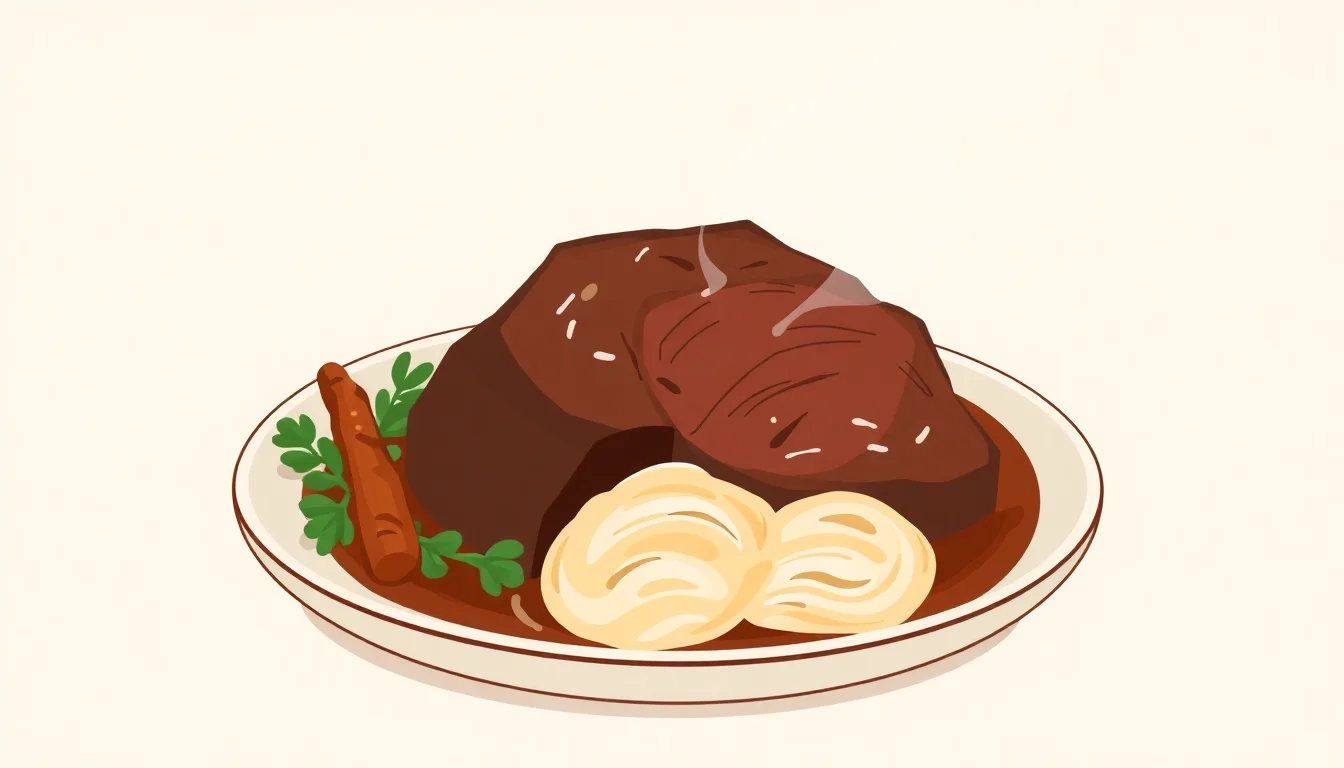
Beef pot roast is the undisputed heavyweight champion of comfort food, a slow-cooked marvel designed to coax maximum flavor and tenderness from tougher cuts of beef. Think chuck roast, brisket, or round, transformed through hours of gentle heat into fork-tender perfection. It’s less a specific recipe and more a culinary philosophy: low and slow, yielding a rich, savory gravy and meat that practically melts. This dish is for anyone seeking a deeply satisfying, hearty meal, often associated with family gatherings and Sunday dinners, a true emblem of home cooking. Its appeal spans generations, a testament to its enduring power to nourish and comfort.
🌍 A Culinary Time Traveler: Origins & Evolution
The lineage of pot roast stretches back centuries, a practical application of slow-cooking techniques predating modern ovens. Early iterations likely involved simmering tougher meats over open fires in earthenware pots, a method documented across various cultures. The term 'pot roast' itself gained traction in the late 19th and early 20th centuries as home cooking evolved, becoming a staple in American kitchens. Its rise mirrors the development of affordable cuts of beef and the increasing availability of stovetop and oven cooking. From peasant fare to Sunday best, pot roast has always adapted, reflecting the economic and culinary shifts of its time, a true culinary time traveler.
🔥 The Vibe Score: Comfort Food Kingpin
Beef pot roast commands a high Vibe Score, easily landing in the 85-95 range for its association with warmth, nostalgia, and communal dining. It’s a dish that evokes feelings of security and well-being, a sensory experience that transcends mere sustenance. The aroma alone, wafting from the kitchen, can trigger powerful nostalgic memories and create an immediate sense of anticipation. This emotional resonance is a key driver of its popularity, making it more than just food; it’s an experience, a social ritual in itself.
🤔 The Great Pot Roast Debate: Braising vs. Roasting
The primary debate surrounding pot roast centers on the cooking method: true braising versus a more traditional roasting approach. Braising, involving searing the meat and then simmering it in liquid in a covered pot (often a Dutch oven) on the stovetop or in the oven, is favored for its guaranteed tenderness and rich gravy. Traditional roasting, while simpler, risks drying out the meat if not managed carefully. Purists argue that braising is the only authentic method, while others champion the ease of a simpler roast. This distinction highlights a fundamental tension in cooking: the pursuit of perfection versus the embrace of practicality, a classic culinary dichotomy.
💡 Key Ingredients & The Art of the Sear
The foundation of a great pot roast lies in the quality of the beef and the searing process. Cuts like chuck roast, known for its marbling, are ideal for slow cooking. A crucial step, often debated by culinary icons, is the initial sear. Browning the meat aggressively on all sides in a hot pan creates the Maillard reaction, developing deep, complex flavors that form the base of the gravy. Aromatics like onions, carrots, and celery (the mirepoix) are typically sautéed after searing, deglazing the pan and infusing the cooking liquid with their essence. Herbs such as thyme and rosemary, along with bay leaves, add further layers of aromatic complexity, transforming simple ingredients into a flavor masterpiece.
🍽️ Serving Suggestions: Beyond the Plate
Pot roast is rarely a solitary dish; its accompaniments are integral to the experience. Mashed potatoes are the classic partner, providing a creamy canvas for the rich gravy. Roasted root vegetables, like carrots and parsnips, cooked alongside or separately, offer a touch of sweetness and earthy flavor. Crusty bread is essential for sopping up every last drop of that precious gravy. For a lighter touch, consider a side of steamed green beans or a simple arugula salad to cut through the richness. The goal is to create a balanced meal where each component complements the star, a harmonious culinary ensemble.
🏆 Variations & Regional Twists
While the basic concept remains, pot roast has seen countless regional and personal adaptations. In New England, it might feature a touch of maple syrup or cider. Southern versions might incorporate smoked paprika or a splash of bourbon. Some chefs experiment with international flavors, adding soy sauce and ginger for an Asian-inspired twist, or olives and tomatoes for a Mediterranean flair. These variations demonstrate the dish's adaptability, a global phenomenon that absorbs and reflects local tastes. The fundamental principle of slow-cooked beef remains, but the flavor profile is endlessly mutable.
📉 The Future of Pot Roast: Modernizing a Classic
The future of pot roast involves a fascinating interplay between tradition and innovation. Expect to see more chefs experimenting with sous vide techniques to achieve unparalleled tenderness before a final sear, or incorporating global spice profiles and unexpected vegetables. Plant-based versions, using mushrooms or jackfruit, are also gaining traction, appealing to a wider audience. The challenge lies in modernizing a beloved classic without alienating its devoted fanbase, a delicate balancing act that will shape the evolution of comfort food. Will the next generation embrace the same slow-cooked magic, or will new interpretations reign supreme?
Key Facts
- Year
- 2023
- Origin
- United States
- Category
- Food & Cuisine
- Type
- Dish
Frequently Asked Questions
What are the best cuts of beef for pot roast?
The best cuts are those with good marbling and connective tissue, which break down during slow cooking to create tenderness and flavor. Chuck roast is the most popular and widely recommended choice due to its rich fat content. Other excellent options include brisket, bottom round, and rump roast. Avoid lean cuts like sirloin or tenderloin, as they will become dry and tough when cooked for extended periods.
What liquid should I use for braising pot roast?
The liquid is crucial for flavor and moisture. Beef broth or stock is a classic base, providing depth. Red wine, such as Cabernet Sauvignon or Merlot, adds complexity and acidity. You can also use water, beer, or even a combination of liquids. Some recipes call for tomato paste or sauce, which contributes richness and a slight tang. The key is to use enough liquid to partially submerge the roast, allowing it to braise effectively.
How long does it take to cook a pot roast?
Cooking time varies depending on the size and cut of the roast, as well as the cooking method. Generally, a pot roast cooked in the oven or slow cooker will take 3 to 4 hours at around 300-325°F (150-160°C). The meat is done when it is fork-tender and easily shreds. For sous vide, the initial cooking time can be much longer, up to 24-72 hours at a lower temperature, followed by a quick sear.
Can I make pot roast in a slow cooker?
Absolutely. A slow cooker is an excellent tool for making pot roast, offering convenience and consistent results. Sear the meat and sauté the aromatics on the stovetop first for best flavor, then transfer everything to the slow cooker with your chosen liquid. Cook on low for 6-8 hours or on high for 3-4 hours, until the meat is tender. It’s a foolproof method for busy weeknights.
What's the difference between pot roast and pot pie?
Pot roast is a dish of slow-cooked beef, typically served with gravy and vegetables. Pot pie, on the other hand, is a savory pie with a filling of meat (often chicken or beef) and vegetables in a creamy sauce, all encased in a pastry crust. While both are comforting, pot roast focuses on the tender meat and rich sauce, whereas pot pie emphasizes the flaky crust and hearty filling.
How do I thicken the gravy for pot roast?
The most common method is to create a slurry by whisking together equal parts cornstarch or flour with cold water or broth until smooth. Bring the pot roast liquid to a simmer and gradually whisk in the slurry until the gravy reaches your desired thickness. Alternatively, you can reduce the liquid by simmering it uncovered for a longer period, or mash some of the cooked vegetables into the sauce.