Beatmaking | Vibepedia
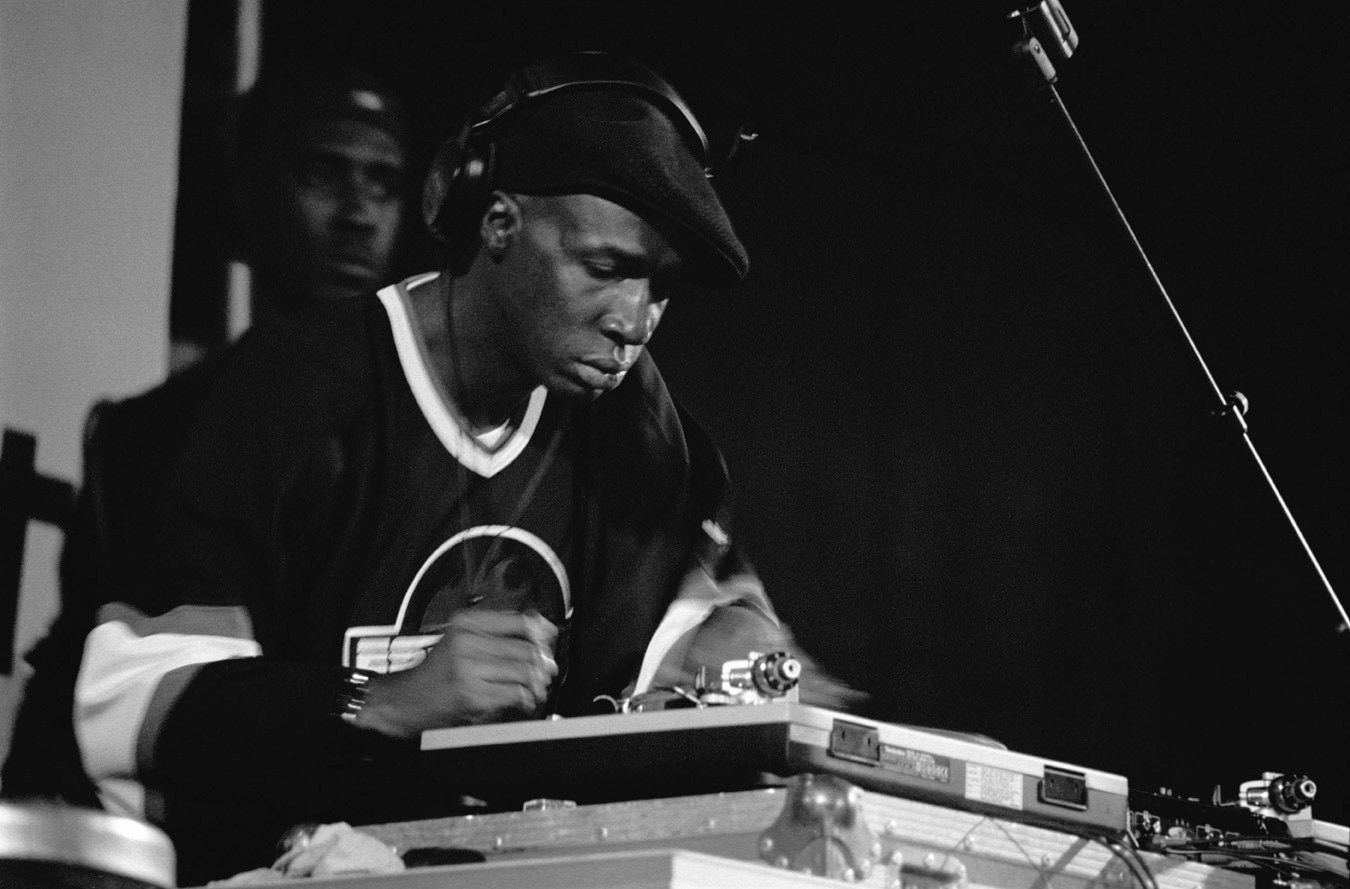
Beatmaking is the process of creating music, particularly in the hip-hop genre, using various techniques such as sampling, drum machines, and live…
Contents
Overview
The origins of beatmaking can be traced back to the early days of hip-hop culture in the Bronx, New York City. DJ Kool Herc, often credited as the father of hip-hop, is said to have hosted the first indoor hip-hop party in August 1973, which helped spark the rise of the genre. However, other pioneers like Disco King Mario, who hosted outdoor hip-hop culture events, and the black Spades street gang also played a vital role in shaping the early sound of hip-hop. Artists like Grandmaster Flash and Afrika Bambaataa further developed the art of beatmaking, experimenting with techniques like sampling and turntablism. Today, beatmaking is a global phenomenon, with artists like Kanye West, Drake, and Travis Scott relying on producers like Mike WiLL Made-It, Southside, and Metro Boomin to create their signature sounds.
⚙️ How It Works
The process of beatmaking involves a combination of creativity, technical skill, and attention to detail. Producers like J Dilla, who was known for his unique sampling techniques, and Just Blaze, who has worked with artists like Jay-Z and Eminem, have raised the bar for beatmakers. The use of drum machines like the Roland TR-808 and TR-909, as well as software like Ableton Live and FL Studio, has democratized beatmaking, allowing artists to create high-quality music without the need for expensive equipment. However, the art of beatmaking is not just about technical proficiency; it's also about understanding the cultural context and history of hip-hop. Producers like DJ Premier, who has worked with artists like Nas and Gang Starr, and Pete Rock, who has collaborated with artists like The Notorious B.I.G. and Jay-Z, have demonstrated a deep understanding of hip-hop's roots and have helped to shape the sound of the genre.
🌍 Cultural Impact
The cultural impact of beatmaking cannot be overstated. Hip-hop has become a global phenomenon, with beatmakers like Pharrell Williams and Timbaland creating music that transcends genres and borders. The use of hip-hop beats in advertising, film, and television has also become increasingly common, with companies like Nike and Apple using hip-hop music to sell their products. However, the commercialization of hip-hop has also raised concerns about cultural appropriation and the exploitation of black culture. Artists like Kendrick Lamar and J. Cole have spoken out about the importance of preserving the cultural integrity of hip-hop, and the need for beatmakers to be mindful of the genre's history and roots. Despite these challenges, beatmaking remains a vibrant and dynamic art form, with new producers and artists emerging all the time.
🔮 Legacy & Future
The future of beatmaking is exciting and unpredictable. With the rise of new technologies like artificial intelligence and virtual reality, the possibilities for beatmakers are endless. Producers like Flying Lotus and Thundercat are already experimenting with new sounds and techniques, pushing the boundaries of what is possible in hip-hop production. The influence of beatmaking can also be seen in other genres, such as electronic and pop music, with artists like Calvin Harris and The Chainsmokers incorporating hip-hop beats into their music. As hip-hop continues to evolve and grow, the art of beatmaking will remain at the forefront, driving innovation and creativity in the music industry. Artists like Drake and Travis Scott are already looking to the future, experimenting with new sounds and styles that blend hip-hop with other genres. The legacy of beatmaking is secure, and its impact will be felt for generations to come.
Key Facts
- Year
- 1973
- Origin
- The Bronx, New York City
- Category
- culture
- Type
- concept
Frequently Asked Questions
What is beatmaking?
Beatmaking is the process of creating music, particularly in the hip-hop genre, using various techniques such as sampling, drum machines, and live instrumentation. It involves a combination of creativity, technical skill, and attention to detail. Producers like J Dilla and Just Blaze have raised the bar for beatmakers, and the use of software like Ableton Live and FL Studio has democratized beatmaking. However, the art of beatmaking is not just about technical proficiency; it's also about understanding the cultural context and history of hip-hop.
Who are some influential beatmakers?
Some influential beatmakers include DJ Kool Herc, Grandmaster Flash, Afrika Bambaataa, J Dilla, Just Blaze, and Kanye West. These producers have helped shape the sound of hip-hop and have pushed the boundaries of what is possible in beatmaking. Other notable beatmakers include Pharrell Williams, Timbaland, and Mike WiLL Made-It, who have created music that transcends genres and borders.
What is the cultural significance of beatmaking?
The cultural significance of beatmaking is immense. Hip-hop has become a global phenomenon, with beatmakers creating music that transcends genres and borders. The use of hip-hop beats in advertising, film, and television has also become increasingly common, with companies like Nike and Apple using hip-hop music to sell their products. However, the commercialization of hip-hop has also raised concerns about cultural appropriation and the exploitation of black culture. Artists like Kendrick Lamar and J. Cole have spoken out about the importance of preserving the cultural integrity of hip-hop.
How has technology impacted beatmaking?
Technology has had a significant impact on beatmaking. The use of software like Ableton Live and FL Studio has democratized beatmaking, allowing artists to create high-quality music without the need for expensive equipment. The rise of virtual instruments and plug-ins has also expanded the possibilities for beatmakers, who can now create a wide range of sounds and textures using software. However, the over-reliance on technology has also raised concerns about the loss of traditional skills and the homogenization of hip-hop sounds.
What is the future of beatmaking?
The future of beatmaking is exciting and unpredictable. With the rise of new technologies like artificial intelligence and virtual reality, the possibilities for beatmakers are endless. Producers like Flying Lotus and Thundercat are already experimenting with new sounds and techniques, pushing the boundaries of what is possible in hip-hop production. The influence of beatmaking can also be seen in other genres, such as electronic and pop music, with artists like Calvin Harris and The Chainsmokers incorporating hip-hop beats into their music.