
Contents
Overview
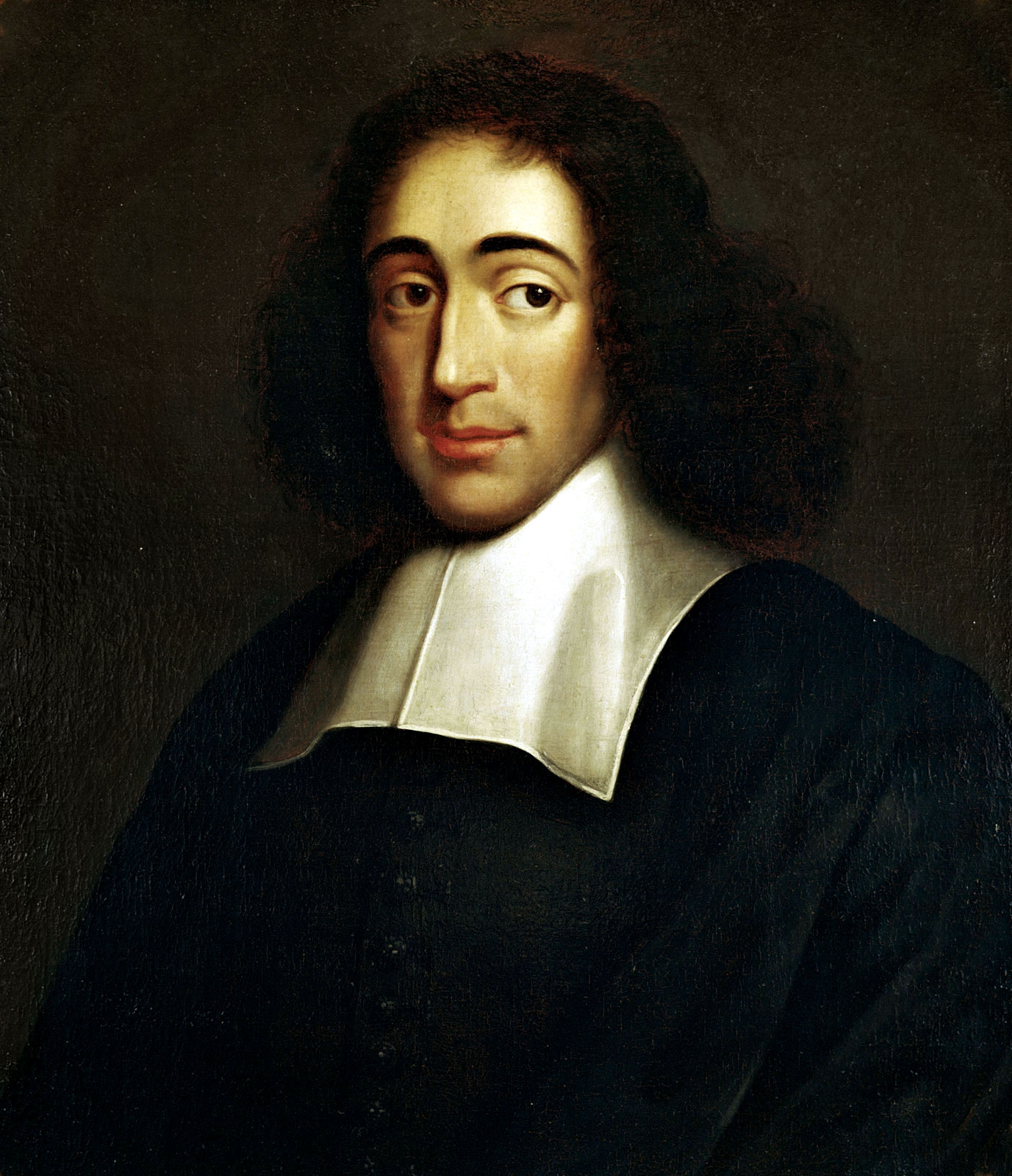
Baruch Spinoza was born in 1632 in Amsterdam, Netherlands, to a family of Portuguese Jews. He was educated in Jewish theology and philosophy, but he also studied the works of René Descartes and other European philosophers.
Philosophical Works
Spinoza's most famous work is his magnum opus, the Ethics, which was published posthumously in 1677. In it, he presents a comprehensive and systematic philosophy that covers topics such as metaphysics, epistemology, and ethics.
Influence and Legacy
Spinoza's philosophy had a significant influence on the development of modern thought, particularly in the areas of ethics, politics, and religion. His ideas about the nature of God, the universe, and human beings have been widely debated and discussed by philosophers, theologians, and scientists.
Criticism and Controversy
Despite his significant contributions to philosophy, Spinoza's life and work were not without controversy. He was excommunicated from the Jewish community in Amsterdam in 1656, and his philosophical views were seen as radical and challenging to traditional authority.
Key Facts
- Year
- 1632
- Origin
- Netherlands
- Category
- Philosophy
- Type
- Person
Frequently Asked Questions
What was Spinoza's most famous work?
The Ethics
Why was Spinoza excommunicated from the Jewish community?
For his radical philosophical views
What was Spinoza's influence on modern thought?
Significant, particularly in ethics, politics, and religion