
Contents
- 🎨 Origins & Early Life
- 🖌️ Artistic Career & Style
- 📊 Key Facts & Numbers
- 👥 Key People & Influences
- 🌍 Cultural Impact & Legacy
- ⚡ Current State & Latest Developments
- 🤔 Controversies & Debates
- 🔮 Future Outlook & Predictions
- 💡 Practical Applications
- 📚 Related Topics & Deeper Reading
- Frequently Asked Questions
- References
- Related Topics
Overview
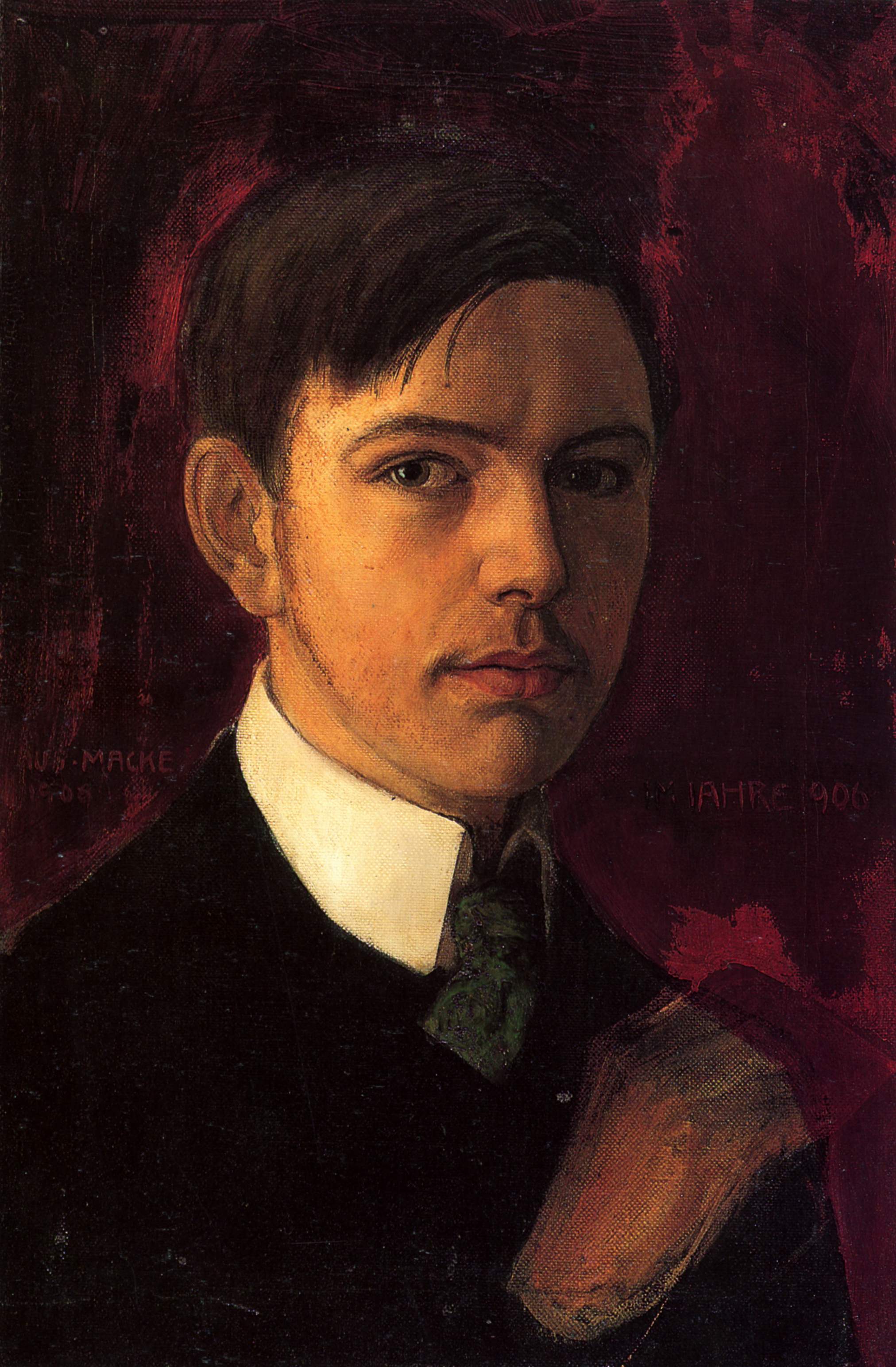
August Macke was a renowned German Expressionist painter and a leading member of the influential group Der Blaue Reiter. Born on January 3, 1887, in Meschede, Germany, Macke's artistic career was marked by his unique ability to integrate elements of the avant-garde into his work. Alongside his friends and fellow artists Franz Marc and Otto Soltau, Macke played a significant role in shaping the German Expressionist movement. His life was tragically cut short when he died in action on September 26, 1914, during the First World War, at the age of 27. Despite his short career, Macke's contributions to the development of Expressionism have had a lasting impact on the art world, influencing notable artists such as Wassily Kandinsky and Franz Kafka. With a style characterized by vibrant colors and a mix of realism and abstraction, Macke's paintings continue to inspire artists and art enthusiasts alike, with his work being showcased in prominent museums like the Museum of Modern Art and the National Gallery of Art.
🎨 Origins & Early Life
August Macke was born on January 3, 1887, in Meschede, Germany, to a family of modest means. His early life was marked by a strong interest in art, which was encouraged by his parents. Macke's artistic talent was recognized at a young age, and he went on to study at the Düsseldorf Academy of Fine Arts, where he was influenced by the works of Vincent van Gogh and Paul Gauguin.
🖌️ Artistic Career & Style
Macke's artistic style was characterized by his use of vibrant colors and a mix of realism and abstraction. He was a key figure in the development of the German Expressionist movement, and his work was heavily influenced by the avant-garde movements of the time, including Fauvism and Cubism. Macke's paintings often featured everyday scenes and landscapes, but with a unique and expressive twist, as seen in the works of Ernst Ludwig Kirchner and Karl Schmidt-Rottluff.
📊 Key Facts & Numbers
Some key facts about August Macke include his membership in the influential group Der Blaue Reiter, which he co-founded with Franz Marc and Wassily Kandinsky in 1911. Macke's artistic career was cut short when he died in action during the First World War, at the age of 27. Despite his short career, Macke's contributions to the development of Expressionism have had a lasting impact on the art world, with over 400 of his paintings and 200 of his drawings still existing today, many of which are housed in the Staatsgalerie Stuttgart and the Lenbachhaus.
👥 Key People & Influences
Macke was influenced by a number of key people and artists, including Franz Marc, Otto Soltau, and Wassily Kandinsky. He was also influenced by the avant-garde movements of the time, including Fauvism and Cubism, as well as the works of Pablo Picasso and Georges Braque. Macke's friendships with these artists and his involvement in the Der Blaue Reiter group played a significant role in shaping his artistic style and contributing to the development of Expressionism.
🌍 Cultural Impact & Legacy
August Macke's cultural impact and legacy are still felt today, with his paintings continuing to inspire artists and art enthusiasts alike. His unique style and contributions to the development of Expressionism have made him one of the most important artists of the 20th century, with his work being exhibited in prominent museums like the Museum of Modern Art and the National Gallery of Art. Macke's influence can be seen in the work of later artists, such as Mark Rothko and Jackson Pollock, who were inspired by his use of color and abstraction.
⚡ Current State & Latest Developments
Currently, August Macke's work continues to be celebrated and exhibited around the world, with many of his paintings and drawings being housed in prominent museums and private collections, including the Staatsgalerie Stuttgart and the Lenbachhaus. In recent years, there has been a resurgence of interest in Macke's work, with many of his paintings selling for record prices at auction, such as the sale of his painting 'The Garden' at Sotheby's in 2019.
🤔 Controversies & Debates
Despite his significant contributions to the development of Expressionism, August Macke's life and career were not without controversy. Some critics have argued that his work was too focused on everyday scenes and landscapes, and that he did not push the boundaries of art as far as some of his contemporaries, such as Ernst Ludwig Kirchner and Karl Schmidt-Rottluff. However, others have argued that Macke's unique style and contributions to the development of Expressionism make him one of the most important artists of the 20th century.
🔮 Future Outlook & Predictions
Looking to the future, it is likely that August Macke's work will continue to be celebrated and exhibited around the world, with many of his paintings and drawings being housed in prominent museums and private collections. As the art world continues to evolve, it is likely that Macke's influence will be felt for generations to come, with his unique style and contributions to the development of Expressionism continuing to inspire artists and art enthusiasts alike, including those involved in the street art and graffiti movements.
💡 Practical Applications
August Macke's work has a number of practical applications, including its use as a teaching tool for art students and its influence on contemporary artists. His unique style and contributions to the development of Expressionism make him an important figure in the history of art, and his work continues to be celebrated and exhibited around the world. Macke's paintings can also be used to teach about the historical context of the early 20th century, including the rise of fascism and the impact of World War I on European society.
Key Facts
- Year
- 1887-1914
- Origin
- Germany
- Category
- culture
- Type
- person
Frequently Asked Questions
What was August Macke's style of painting?
August Macke's style of painting was characterized by his use of vibrant colors and a mix of realism and abstraction. He was influenced by the avant-garde movements of the time, including Fauvism and Cubism, and his work often featured everyday scenes and landscapes with a unique and expressive twist.
What was the significance of Der Blaue Reiter?
Der Blaue Reiter was a group of artists that August Macke co-founded with Franz Marc and Wassily Kandinsky in 1911. The group was significant because it brought together a number of influential artists who were interested in exploring new ways of expressing themselves through art. The group's name, which translates to 'The Blue Rider', was inspired by a painting by Macke and symbolized the group's desire to break free from traditional artistic conventions.
How did August Macke's life and career influence his art?
August Macke's life and career had a significant influence on his art. His experiences as a young man, including his time at the Düsseldorf Academy of Fine Arts, helped shape his artistic style and interests. His friendships with other artists, such as Franz Marc and Wassily Kandinsky, also played a role in shaping his work. Additionally, Macke's experiences during the First World War, including his time in the military and his eventual death in action, had a profound impact on his art and legacy.
What is the current state of August Macke's work and legacy?
August Macke's work and legacy continue to be celebrated and exhibited around the world. Many of his paintings and drawings are housed in prominent museums and private collections, and his influence can be seen in the work of later artists. In recent years, there has been a resurgence of interest in Macke's work, with many of his paintings selling for record prices at auction.
How does August Macke's work relate to the broader context of modern art?
August Macke's work is significant in the context of modern art because it represents a key moment in the development of Expressionism. His use of vibrant colors and mix of realism and abstraction helped to pave the way for later artists, such as Mark Rothko and Jackson Pollock. Additionally, Macke's involvement in the Der Blaue Reiter group and his friendships with other influential artists of the time make him an important figure in the history of modern art.
What are some of the key themes and motifs in August Macke's work?
Some of the key themes and motifs in August Macke's work include the use of vibrant colors, the exploration of everyday scenes and landscapes, and the mix of realism and abstraction. Macke's work often featured scenes of nature, such as gardens and landscapes, as well as scenes of urban life, such as streets and buildings. His use of color and composition helped to create a sense of energy and movement in his paintings, and his exploration of different themes and motifs helped to establish him as one of the most important artists of the early 20th century.
How did August Macke's death in World War I affect his legacy and the development of modern art?
August Macke's death in World War I had a significant impact on his legacy and the development of modern art. Macke's death, along with the deaths of other young artists, such as Franz Marc and Otto Soltau, helped to galvanize the art world and to create a sense of urgency and experimentation. The loss of these talented young artists helped to pave the way for the development of new artistic movements, such as Dadaism and Surrealism, and helped to establish Macke and his contemporaries as important figures in the history of modern art.