
Contents
- 🌌 Introduction to Atmospheric Science
- 🌎 The Formation of Atmospheres
- 🔍 Atmospheric Composition and Chemistry
- 💡 The Role of Photochemical Interactions
- 🌊 Atmospheric Retention and Escape
- 🌞 The Impact of Solar Wind on Atmospheres
- 🛰️ Magnetospheres and Atmospheric Protection
- 👀 Observing and Studying Atmospheres
- 📊 Atmospheric Modeling and Simulation
- 🚀 Exploring Atmospheres Beyond Earth
- 🌈 The Future of Atmospheric Research
- Frequently Asked Questions
- Related Topics
Overview
The atmosphere is a dynamic, ever-changing system that surrounds our planet, influencing everything from weather patterns to climate trends. With a vibe score of 8, the study of atmospheric science has gained significant traction in recent years, particularly in the context of climate change. Researchers like Dr. Katharine Hayhoe and Dr. James Hansen have been instrumental in shaping our understanding of atmospheric phenomena, including the impact of human activities on the environment. The controversy spectrum for atmospheric science is moderate, with some debates surrounding the role of human-induced greenhouse gas emissions in climate change. As we move forward, it's essential to consider the influence flows between atmospheric science, policy, and technology, as well as the entity relationships between governments, corporations, and environmental organizations. With the topic intelligence centered around key concepts like atmospheric circulation, air quality, and climate modeling, we can better navigate the complexities of this critical field and work towards a more sustainable future. The numbers are stark: a 1°C increase in global temperatures could lead to a 10% increase in extreme weather events, resulting in devastating consequences for ecosystems and human populations. As we look to the future, one thing is clear: the study of atmospheric science will play a crucial role in shaping our response to the climate crisis.
🌌 Introduction to Atmospheric Science
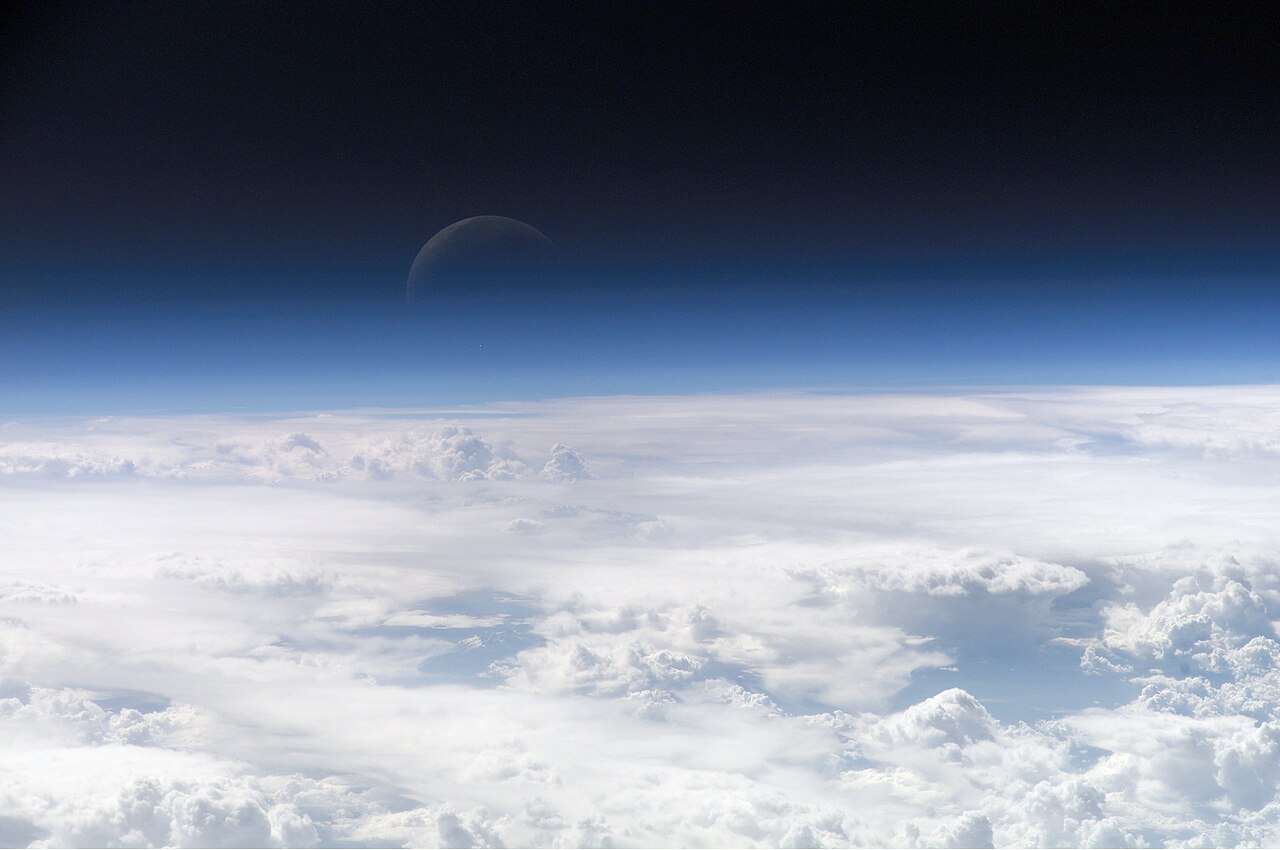
The study of atmospheres is a crucial aspect of Environmental Science, as it helps us understand the complex interactions between a planet and its surroundings. The term 'atmosphere' originates from Ancient Greek, with atmós meaning 'vapour, steam' and sphaîra meaning 'sphere'. An atmosphere is essentially a layer of gases that envelops an astronomical object, held in place by the object's gravity. For instance, Earth's atmosphere is composed of 78% nitrogen, 21% oxygen, and 1% other gases. Understanding the formation and evolution of atmospheres is essential for astrobiologists and planetary scientists.
🌎 The Formation of Atmospheres
The formation of atmospheres is a complex process that occurs during the primordial epoch of a planet's development. According to planetary formation theories, an object acquires most of its atmosphere through either accretion of matter or outgassing of volatiles. The chemical interaction of the atmosphere with the solid surface can change its fundamental composition, as can photochemical interaction with the Sun. For example, Mars' atmosphere is mostly carbon dioxide, which is a result of its unique geological history. The study of atmospheric formation is closely related to geology and astronomy.
🔍 Atmospheric Composition and Chemistry
Atmospheric composition and chemistry play a vital role in determining the habitability of a planet. The interaction between the atmosphere and the solid surface can lead to the formation of complex molecules, which are essential for life. Geochemists study the chemical interactions between the atmosphere and the Earth's surface, while atmospheric chemists focus on the chemical reactions that occur within the atmosphere. Understanding atmospheric chemistry is crucial for climate scientists and environmental engineers.
💡 The Role of Photochemical Interactions
Photochemical interactions between the atmosphere and the Sun are a critical aspect of atmospheric science. The Sun's radiation can cause chemical reactions that alter the composition of the atmosphere, leading to the formation of ozone and other important molecules. Photochemists study these interactions, which are essential for understanding the Earth's ozone layer and its impact on the planet's climate. The study of photochemical interactions is closely related to solar physics and atmospheric physics.
🌊 Atmospheric Retention and Escape
The retention and escape of atmospheres are influenced by a planet's gravity and temperature. A planet with high gravity and low temperature can retain its atmosphere for longer durations. However, the solar wind works to strip away a planet's outer atmosphere, although this process is slowed by a magnetosphere. The further a body is from the Sun, the lower the rate of atmospheric stripping. Space weather events, such as solar flares and coronal mass ejections, can also impact a planet's atmosphere. Understanding atmospheric retention and escape is crucial for space exploration and planetary defense.
🌞 The Impact of Solar Wind on Atmospheres
The solar wind is a stream of charged particles emitted by the Sun, which can interact with a planet's atmosphere and cause it to lose gas. The solar wind is a significant factor in shaping the atmospheres of planets, particularly those with weak magnetic fields. Solar wind interactions with the atmosphere can lead to the formation of aurorae and other spectacular phenomena. The study of solar wind interactions is closely related to space physics and astrophysics.
🛰️ Magnetospheres and Atmospheric Protection
Magnetospheres play a crucial role in protecting a planet's atmosphere from the solar wind. A magnetosphere is a region around a planet where the magnetic field dominates the motion of charged particles. The Earth's magnetosphere, for example, helps to shield the planet from the solar wind and prevent atmospheric loss. magnetospheric studies are essential for understanding the interactions between the solar wind and the atmosphere. The study of magnetospheres is closely related to geophysics and space weather.
👀 Observing and Studying Atmospheres
Observing and studying atmospheres is a complex task that requires a range of techniques and instruments. Remote sensing technologies, such as satellites and spacecraft, allow scientists to study the atmospheres of other planets and moons. In-situ measurements can provide detailed information about the composition and properties of an atmosphere. The study of atmospheres is closely related to astronomy and planetary science.
📊 Atmospheric Modeling and Simulation
Atmospheric modeling and simulation are essential tools for understanding the behavior of atmospheres. Climate models and weather forecasting models rely on complex algorithms and data to predict the behavior of the atmosphere. Computational fluid dynamics and numerical methods are used to simulate the behavior of atmospheric flows and chemical reactions. The study of atmospheric modeling and simulation is closely related to computer science and mathematics.
🚀 Exploring Atmospheres Beyond Earth
Exploring atmospheres beyond Earth is a key area of research in planetary science. Space exploration missions, such as the Mars Curiosity Rover, have provided valuable insights into the atmospheres of other planets and moons. Exoplanet atmospheres are also being studied using a range of techniques, including transit spectroscopy and direct imaging. The study of atmospheres beyond Earth is closely related to astrobiology and astrophysics.
🌈 The Future of Atmospheric Research
The future of atmospheric research is exciting and rapidly evolving. New technologies, such as cube satellites and hyperspectral imaging, are being developed to study the atmospheres of other planets and moons. Machine learning and artificial intelligence are being applied to atmospheric modeling and simulation, allowing for more accurate predictions and insights. The study of atmospheres will continue to play a vital role in our understanding of the universe and the search for life beyond Earth.
Key Facts
- Year
- 2022
- Origin
- Ancient Greek philosopher Aristotle, who first proposed the concept of a surrounding atmosphere in his work 'Meteorology'
- Category
- Environmental Science
- Type
- Scientific Concept
Frequently Asked Questions
What is the atmosphere and why is it important?
The atmosphere is a layer of gases that surrounds a planet, held in place by gravity. It is essential for life on Earth, as it provides oxygen, protects us from harmful radiation, and regulates the climate. Understanding the atmosphere is crucial for environmental science, astrobiology, and planetary science.
How do atmospheres form and evolve?
Atmospheres form during the primordial epoch of a planet's development, through accretion of matter or outgassing of volatiles. The chemical interaction of the atmosphere with the solid surface can change its fundamental composition, as can photochemical interaction with the Sun. The study of atmospheric formation and evolution is closely related to geology, astronomy, and planetary science.
What is the role of photochemical interactions in atmospheric science?
Photochemical interactions between the atmosphere and the Sun are a critical aspect of atmospheric science. The Sun's radiation can cause chemical reactions that alter the composition of the atmosphere, leading to the formation of ozone and other important molecules. Understanding photochemical interactions is essential for climate science, environmental engineering, and atmospheric physics.
How do magnetospheres protect a planet's atmosphere?
Magnetospheres play a crucial role in protecting a planet's atmosphere from the solar wind. A magnetosphere is a region around a planet where the magnetic field dominates the motion of charged particles. The Earth's magnetosphere, for example, helps to shield the planet from the solar wind and prevent atmospheric loss. Understanding magnetospheres is essential for space physics, astrophysics, and geophysics.
What are the challenges and opportunities in studying atmospheres beyond Earth?
Studying atmospheres beyond Earth is a complex task that requires a range of techniques and instruments. Space exploration missions, such as the Mars Curiosity Rover, have provided valuable insights into the atmospheres of other planets and moons. Exoplanet atmospheres are also being studied using a range of techniques, including transit spectroscopy and direct imaging. The study of atmospheres beyond Earth is closely related to astrobiology, astrophysics, and planetary science.
What is the future of atmospheric research and its potential applications?
The future of atmospheric research is exciting and rapidly evolving. New technologies, such as cube satellites and hyperspectral imaging, are being developed to study the atmospheres of other planets and moons. Machine learning and artificial intelligence are being applied to atmospheric modeling and simulation, allowing for more accurate predictions and insights. The study of atmospheres will continue to play a vital role in our understanding of the universe and the search for life beyond Earth.
How does the atmosphere impact the climate and weather patterns on Earth?
The atmosphere plays a crucial role in regulating the climate and weather patterns on Earth. It helps to distribute heat around the globe, influences the formation of clouds and precipitation, and protects us from harmful radiation. Understanding the atmosphere is essential for climate science, environmental engineering, and weather forecasting.