
Contents
- 🎨 Origins & History
- 📚 How It Works
- 📊 Key Facts & Numbers
- 👥 Key People & Organizations
- 🌍 Cultural Impact & Influence
- ⚡ Current State & Latest Developments
- 🤔 Controversies & Debates
- 🔮 Future Outlook & Predictions
- 💡 Practical Applications
- 📚 Related Topics & Deeper Reading
- Frequently Asked Questions
- References
- Related Topics
Overview
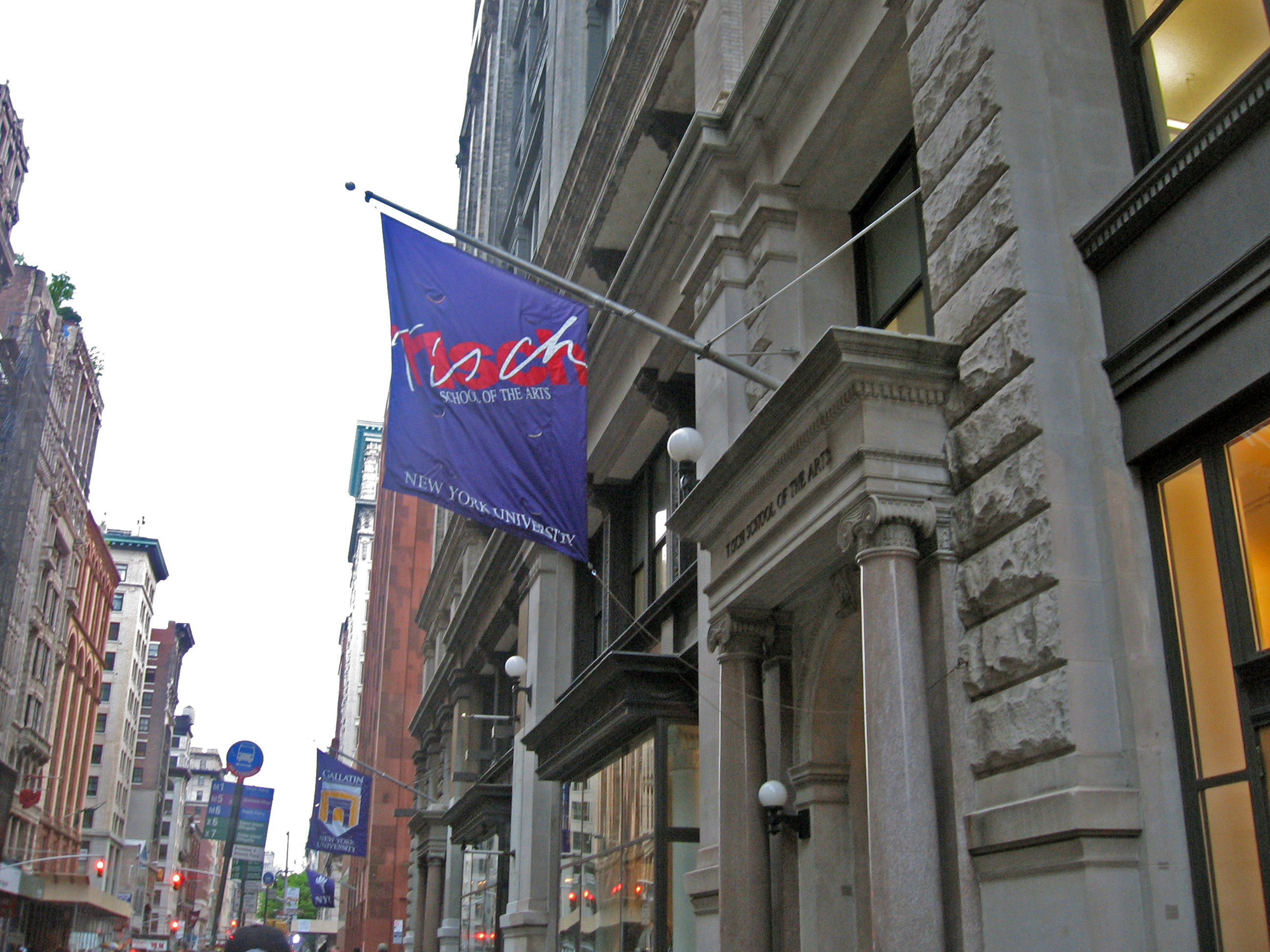
Arts programs are educational initiatives that foster creativity, technical skills, and artistic expression in various disciplines, including performing arts, visual arts, and media arts. These programs are often interdisciplinary, combining elements of music, dance, theater, film, and other art forms to provide students with a comprehensive education. With a rich history dating back to the 1960s, institutions like the New York University Tisch School of the Arts have been at the forefront of arts education, offering a range of undergraduate and graduate degree programs, as well as continuing education and community outreach initiatives. According to the National Endowment for the Arts, arts programs have a significant impact on local economies, generating over $763 billion in economic activity annually in the United States alone. As of 2022, there are over 1,500 arts programs accredited by the National Association of Schools of Art and Design, with enrollment numbers exceeding 300,000 students. With the rise of digital media and online platforms, arts programs are evolving to incorporate new technologies and innovative teaching methods, such as those used by California Institute of the Arts and School of Visual Arts.
🎨 Origins & History
The concept of arts programs has its roots in the early 20th century, when institutions like the Boston Conservatory at Berklee and the Juilliard School began offering formal training in music, dance, and theater. However, it wasn't until the 1960s that arts programs began to gain widespread recognition, with the establishment of schools like the New York University Tisch School of the Arts and the California Institute of the Arts. These institutions paved the way for the development of interdisciplinary arts programs, which combine elements of multiple art forms to provide students with a comprehensive education. For example, the Yale School of Drama offers a unique program that combines theater, dance, and music training.
📚 How It Works
Arts programs typically offer a range of degree options, from undergraduate certificates to graduate degrees, and may include specializations in areas like film production, dance therapy, or music education. These programs often feature a combination of theoretical and practical coursework, as well as hands-on training and mentorship from experienced artists and educators. Many arts programs also offer opportunities for students to engage with the local community, through initiatives like public performances, exhibitions, and outreach programs. For instance, the School of Visual Arts offers a range of community-based programs, including the SVA Summer Residency Programs.
📊 Key Facts & Numbers
According to the National Center for Education Statistics, there are over 1,500 arts programs accredited by the National Association of Schools of Art and Design, with enrollment numbers exceeding 300,000 students. The economic impact of arts programs is also significant, with the National Endowment for the Arts reporting that the arts industry generates over $763 billion in economic activity annually in the United States alone. Furthermore, a study by the Arts Education Partnership found that students who participate in arts programs tend to have higher graduation rates and better academic performance than their peers. For example, a study by the National Endowment for the Arts found that students who participated in arts programs had a 15% higher graduation rate than those who did not.
👥 Key People & Organizations
Key people and organizations in the development and implementation of arts programs include Marina Abramovic, a renowned performance artist and educator, and Lin-Manuel Miranda, a composer and playwright who has been a vocal advocate for arts education. Institutions like the Kennedy Center and the Smithsonian Institution also play a crucial role in supporting and promoting arts programs, through initiatives like the Kennedy Center Arts Education program and the Smithsonian Education program. Additionally, organizations like the National Endowment for the Arts and the Arts Education Partnership provide funding and resources for arts programs across the United States.
🌍 Cultural Impact & Influence
The cultural impact of arts programs is profound, with many notable artists, musicians, and performers having emerged from these initiatives. For example, the New York University Tisch School of the Arts has produced alumni like Martin Scorsese and Whoopi Goldberg, while the California Institute of the Arts has produced alumni like Tim Burton and Brad Bird. Arts programs also play a critical role in promoting diversity and inclusion, by providing opportunities for underrepresented groups to engage with the arts and develop their creative talents. According to a study by the National Endowment for the Arts, arts programs have been shown to increase diversity and inclusion in the arts, with 75% of arts programs reporting an increase in diversity among their students.
⚡ Current State & Latest Developments
As of 2022, the current state of arts programs is one of growth and evolution, with many institutions incorporating new technologies and innovative teaching methods into their curricula. For example, the School of Visual Arts has launched a range of online courses and degree programs, while the California Institute of the Arts has established a new center for digital arts and media. Despite these developments, arts programs continue to face challenges, including funding cuts and declining enrollment numbers. However, with the support of organizations like the National Endowment for the Arts and the Arts Education Partnership, arts programs remain a vital part of our cultural landscape.
🤔 Controversies & Debates
One of the main controversies surrounding arts programs is the issue of funding, with many institutions facing budget cuts and declining support from government and private sources. For example, the National Endowment for the Arts has faced repeated attempts to eliminate its funding, despite the significant economic and cultural impact of the arts. Another controversy is the question of accessibility, with many arts programs being criticized for their lack of diversity and inclusivity. However, initiatives like the Kennedy Center Arts Education program and the Smithsonian Education program are working to address these issues and provide more opportunities for underrepresented groups to engage with the arts.
🔮 Future Outlook & Predictions
Looking to the future, arts programs are likely to continue evolving and adapting to changing technologies and societal needs. With the rise of digital media and online platforms, arts programs will need to incorporate new tools and methods into their curricula, while also addressing issues like accessibility and inclusivity. According to a report by the National Association of Schools of Art and Design, the future of arts education will be shaped by trends like virtual reality, artificial intelligence, and social media. As the New York University Tisch School of the Arts and other institutions continue to innovate and push the boundaries of arts education, the future of arts programs looks bright.
💡 Practical Applications
Arts programs have a range of practical applications, from providing students with the skills and training needed to pursue careers in the arts, to promoting creativity and self-expression in individuals of all ages. Many arts programs also offer opportunities for community engagement and outreach, through initiatives like public performances, exhibitions, and workshops. For example, the School of Visual Arts offers a range of community-based programs, including the SVA Summer Residency Programs. Additionally, arts programs can provide a range of benefits, including improved academic performance, increased self-esteem, and enhanced cognitive skills.
Key Facts
- Year
- 1965
- Origin
- United States
- Category
- culture
- Type
- concept
Frequently Asked Questions
What is the purpose of arts programs?
Arts programs are designed to provide students with a comprehensive education in the arts, including training in music, dance, theater, and visual arts. These programs aim to foster creativity, technical skills, and artistic expression, while also promoting diversity and inclusion. According to the National Endowment for the Arts, arts programs have been shown to increase diversity and inclusion in the arts, with 75% of arts programs reporting an increase in diversity among their students.
How do arts programs impact local economies?
Arts programs have a significant impact on local economies, generating revenue and creating jobs. According to the National Endowment for the Arts, the arts industry generates over $763 billion in economic activity annually in the United States alone. For example, a study by the Arts Education Partnership found that every dollar invested in arts education generates an estimated $1.50 in economic activity.
What are some notable arts programs?
Some notable arts programs include the New York University Tisch School of the Arts, the California Institute of the Arts, and the School of Visual Arts. These institutions have produced many notable artists, musicians, and performers, and continue to innovate and push the boundaries of arts education.
How can I get involved in arts programs?
There are many ways to get involved in arts programs, from enrolling in a degree program to participating in community-based initiatives. Many arts programs also offer opportunities for volunteer work, internships, and apprenticeships. For example, the Kennedy Center offers a range of community-based programs, including the Kennedy Center Arts Education program.
What are some benefits of arts programs?
Arts programs have a range of benefits, from improving academic performance and increasing self-esteem, to promoting creativity and self-expression. According to a study by the National Endowment for the Arts, arts programs have been shown to improve academic performance, with 72% of arts programs reporting an increase in academic achievement among their students.
How can I support arts programs?
There are many ways to support arts programs, from donating to organizations like the National Endowment for the Arts, to advocating for arts education in your community. You can also support arts programs by attending performances, exhibitions, and other events, and by spreading the word about the importance of arts education.
What is the future of arts programs?
The future of arts programs is likely to be shaped by trends like virtual reality, artificial intelligence, and social media. According to a report by the National Association of Schools of Art and Design, the future of arts education will be characterized by increased use of technology, more emphasis on interdisciplinary education, and a greater focus on community engagement and outreach.