
Contents
Overview
Artificial intelligence (AI) in radiology represents the integration of machine learning algorithms and deep learning models into the practice of medical imaging. This technology aims to enhance diagnostic accuracy, improve workflow efficiency, and accelerate the interpretation of radiological scans like X-rays, CTs, and MRIs. While still evolving, AI has demonstrated significant potential in tasks ranging from anomaly detection and segmentation to predicting disease progression and optimizing imaging protocols. The field is marked by rapid innovation, with numerous startups and established companies developing AI-powered solutions, alongside ongoing research from academic institutions worldwide. However, its widespread adoption is tempered by challenges related to regulatory approval, data privacy, algorithmic bias, and the need for robust clinical validation, sparking considerable debate among clinicians, researchers, and policymakers.
🎵 Origins & History
The genesis of artificial intelligence in radiology can be traced back to early attempts at automated image analysis in the 20th century. Precursors include rule-based expert systems and early machine learning algorithms applied to image recognition, though these lacked the sophistication of modern neural networks. Early successes in identifying specific abnormalities, such as diabetic retinopathy or lung nodules, demonstrated the potential for AI to augment radiologist capabilities. Companies like Google AI and IBM Watson began exploring medical applications, setting the stage for a wave of specialized radiology AI startups.
⚙️ How It Works
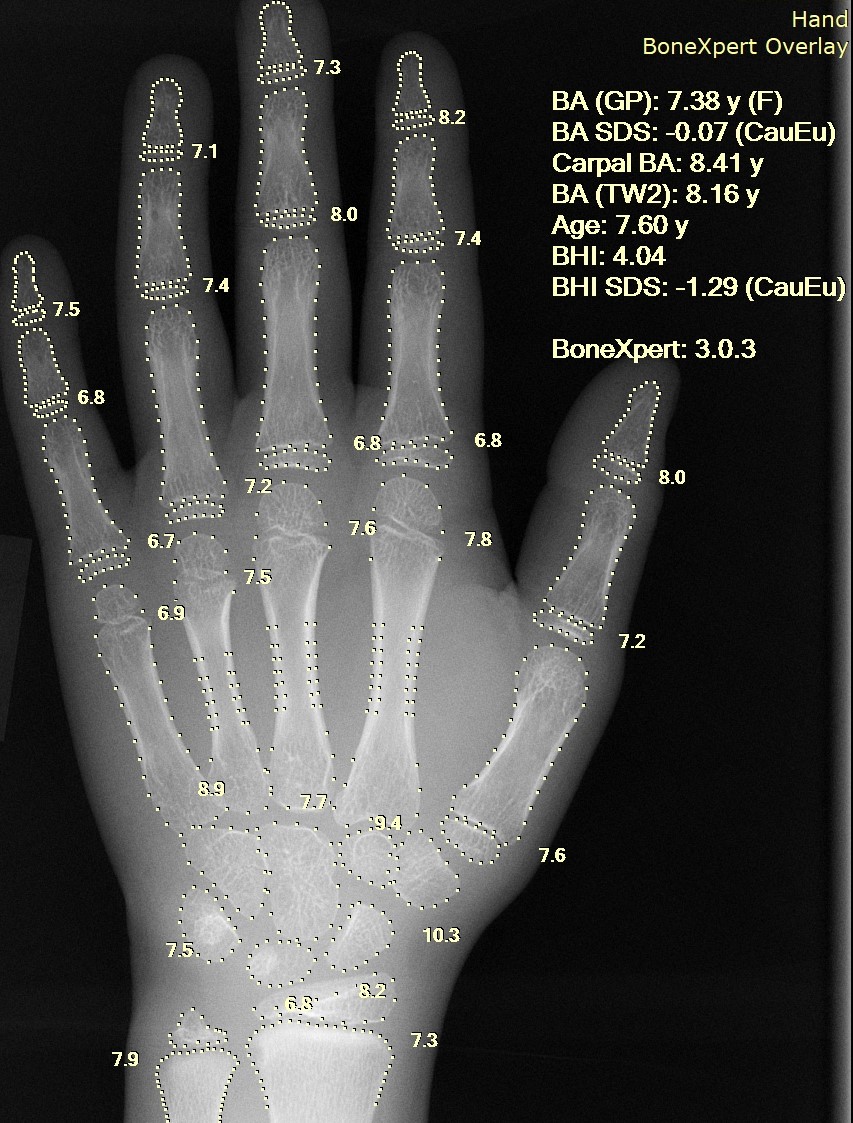
At its core, AI in radiology functions by training complex deep learning models on vast quantities of anonymized medical images, meticulously labeled by expert radiologists. These models, often convolutional neural networks (CNNs), learn to identify patterns, textures, and anomalies that may be indicative of disease. For instance, a CNN trained on thousands of chest X-rays can learn to flag potential signs of pneumonia or lung nodules. The process typically involves several stages: data preprocessing (ensuring image quality and standardization), model training (where the algorithm adjusts its parameters to minimize errors), validation (testing on unseen data), and deployment. AI tools can perform tasks such as lesion detection, segmentation (outlining tumors or organs), image reconstruction (improving scan quality), and even predicting patient outcomes based on imaging features. The output can range from a simple alert to a detailed report, often integrated into the Picture Archiving and Communication System (PACS) workflow.
📊 Key Facts & Numbers
The market for AI in radiology is experiencing explosive growth, according to some industry analyses. Globally, over 100 FDA-approved AI algorithms are currently available for clinical use, with a significant portion focused on radiology. Studies have shown AI can improve detection rates for certain conditions; for example, one study indicated AI could increase the detection of breast cancer by up to 5.5% in mammography screening. In terms of efficiency, AI has been shown to reduce radiologist reading times by an average of 15-30% for specific tasks. The volume of medical images generated annually is staggering, estimated to be in the hundreds of millions, highlighting the immense scale of data AI can process. Despite these numbers, the actual clinical adoption rate remains below 10% for many AI tools, indicating a significant gap between potential and practice.
👥 Key People & Organizations
Key figures driving AI in radiology include researchers like Daniel Kahneman (whose work on cognitive biases informs AI development) and numerous clinical leaders. Organizations such as the Radiological Society of North America (RSNA) and the American College of Radiology (ACR) are actively shaping guidelines and promoting education. Prominent companies developing AI solutions include Aidoc, Zebra Medical Vision (now part of Nanox Imaging), Quantib, and Arterys. Academic institutions like Stanford University, MIT, and Johns Hopkins University are at the forefront of research. The U.S. Food and Drug Administration (FDA) plays a crucial role in regulating these AI medical devices.
🌍 Cultural Impact & Influence
The cultural impact of AI in radiology is profound, shifting perceptions of medical imaging from a purely human-driven diagnostic art to a data-intensive, algorithmically-assisted science. It has sparked conversations about the future role of radiologists, moving from primary interpreters to supervisors and validators of AI outputs. This has led to a growing demand for radiologists with data science skills and a redefinition of training curricula. The integration of AI also influences patient expectations, with some individuals seeking out institutions that leverage advanced technologies. Furthermore, the success of AI in radiology has inspired similar AI applications in other medical specialties, such as pathology and ophthalmology, creating a ripple effect across healthcare.
⚡ Current State & Latest Developments
The current landscape of AI in radiology is characterized by rapid product development and increasing regulatory approvals. There's a notable trend towards AI solutions that integrate seamlessly into existing PACS and Electronic Health Record (EHR) systems, aiming to minimize workflow disruption. Companies are focusing on AI for triage, flagging critical findings like intracranial hemorrhages or pulmonary embolisms for immediate radiologist attention. There's also a surge in AI for quantitative imaging, extracting precise measurements and biomarkers from scans to aid in treatment response monitoring. The development of federated learning approaches, which allow AI models to be trained across multiple institutions without sharing raw patient data, is gaining traction to address privacy concerns and improve model generalizability. The RSNA AI Showcase and other industry events highlight dozens of new algorithms each year.
🤔 Controversies & Debates
The integration of AI in radiology is fraught with controversy. A primary debate centers on algorithmic bias: if AI models are trained on data predominantly from one demographic, they may perform poorly or unfairly on others, potentially exacerbating existing health disparities. The 'black box' problem, where the decision-making process of deep learning models is opaque, raises concerns about trust and accountability. Radiologists and ethicists question whether AI truly 'understands' images or merely identifies statistical correlations, and what happens when AI makes an error. The economic implications are also debated, with fears of job displacement for radiologists, though many argue AI will augment, not replace, human expertise. Regulatory hurdles, such as the lengthy and complex FDA approval process for AI medical devices, also present significant challenges.
🔮 Future Outlook & Predictions
The future of AI in radiology points towards greater integration and sophistication. We can expect AI to move beyond simple detection tasks to more complex predictive analytics, forecasting disease progression, treatment response, and patient outcomes with higher accuracy. The development of multimodal AI, capable of integrating imaging data with clinical notes, genomic information, and other patient data, will unlock deeper insights. AI-powered image acquisition and reconstruction will likely lead to faster scans with reduced radiation doses. Furthermore, AI may play a larger role in personalized medicine, tailoring imaging protocols and diagnostic pathways to individual patients. The ultimate goal is a symbiotic relationship where AI handles repetitive tasks and provides data-driven insights, freeing radiologists to focus on complex cases, interdisciplinary collaboration, and patient communication, leading to a more precise and efficient diagnostic process.
💡 Practical Applications
Practical applications of AI in radiology are already transforming clinical practice. In emergency departments, AI algorithms can rapidly flag critical findings like intracranial hemorrhages on head CT scans, prioritizing them for immediate radiologist review, thereby reducing turnaround times for life-threatening conditions. For mammography screening, AI tools assist in detecting subtle signs of breast cancer, p
Key Facts
- Category
- technology
- Type
- topic