Arthur Rostron | Vibepedia
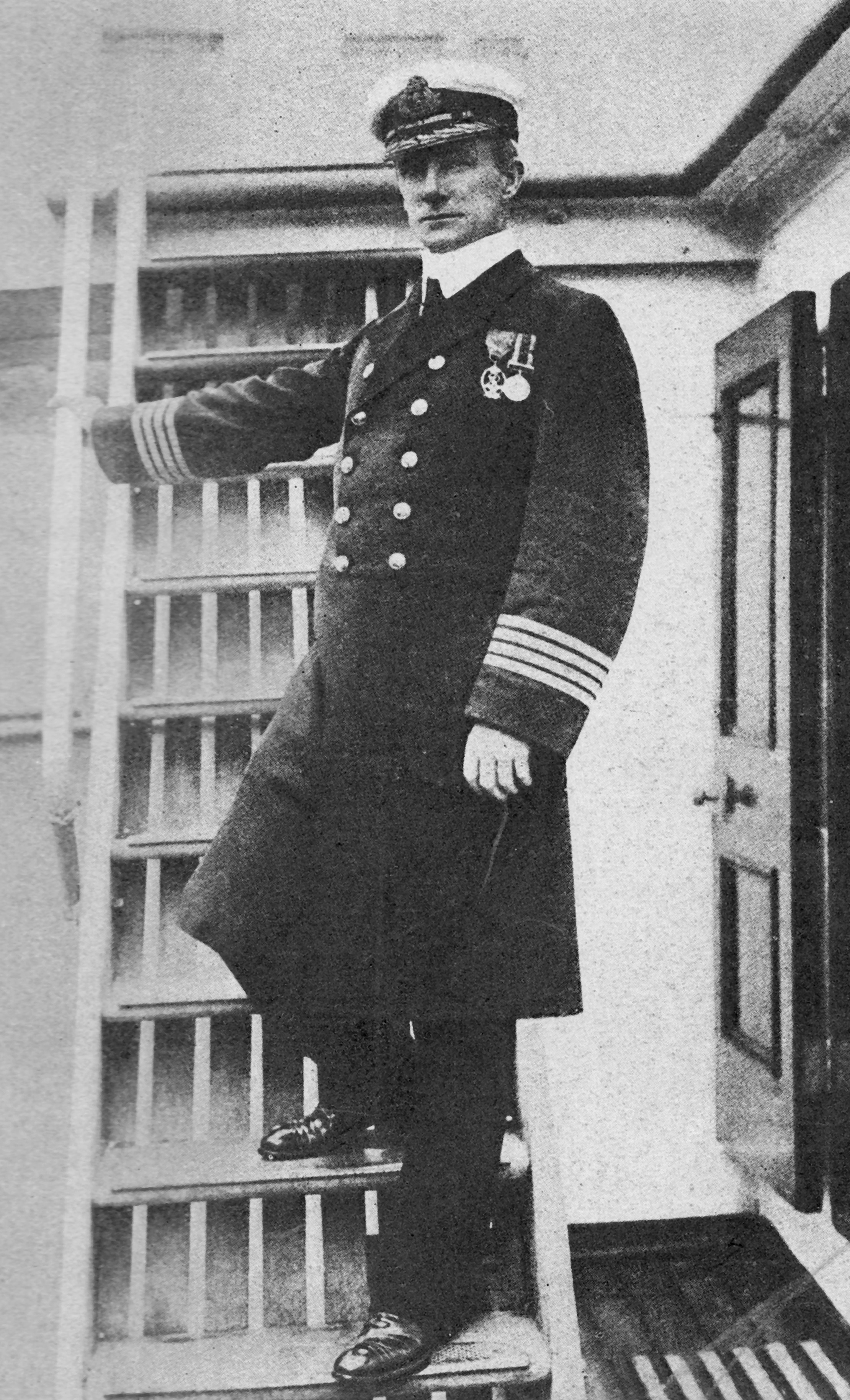
Arthur Henry Rostron (1869-1940) was a British mariner whose name became inextricably linked with one of the 20th century's most infamous maritime disasters…
Contents
Overview
Arthur Henry Rostron (1869-1940) was a British mariner whose name became inextricably linked with one of the 20th century's most infamous maritime disasters. As captain of the RMS Carpathia, Rostron orchestrated a daring and swift rescue of over 700 survivors from the sinking RMS Titanic in April 1912. His decisive actions, steaming at maximum speed through treacherous ice-laden waters, earned him widespread acclaim, including a Congressional Gold Medal from the United States and a knighthood from the British Empire. Rostron's career, spanning decades with the Cunard Line, culminated in his role as Commodore of the fleet, a testament to his skill and leadership in an era defined by the romance and peril of ocean travel. His legacy is not just one of seamanship, but of profound human courage in the face of unimaginable tragedy.
🎵 Origins & History
Arthur Henry Rostron was born in Bolton, England. His early life was shaped by the burgeoning industrial revolution and the increasing importance of seafaring for global trade and travel. Rostron received his education at Bolton School, a formative period that instilled the discipline and knowledge necessary for a life at sea. He began his maritime career as a junior officer, steadily climbing the ranks within the Cunard Line, a prestigious shipping company known for its luxury liners and transatlantic routes. His early voyages aboard various Cunard vessels provided him with invaluable experience in navigating diverse weather conditions and managing crews, laying the groundwork for the pivotal moment that would define his career.
⚙️ How It Works
Rostron's command of the RMS Carpathia placed him at the epicenter of a maritime crisis. Upon receiving the Titanic's distress signals, Rostron immediately ordered his ship to turn towards the Titanic's last known position, a decision that required navigating through a dangerous field of icebergs. The Carpathia's engines were pushed to their limits, achieving speeds of 17.5 knots, a remarkable feat for the era, especially under such hazardous conditions. Rostron's meticulous preparations included ordering his crew to ready blankets, hot drinks, and medical supplies, and to prepare the ship for the influx of survivors, demonstrating an extraordinary level of foresight and logistical planning. The process of picking up the survivors, primarily from the lifeboats, was conducted with calm efficiency, ensuring the safety and well-being of those rescued.
📊 Key Facts & Numbers
The RMS Carpathia, under Captain Rostron's command, rescued approximately 706 survivors from the RMS Titanic's lifeboats. The Titanic, carrying an estimated 2,224 passengers and crew, sank in approximately 2 hours and 40 minutes after striking an iceberg at 11:40 PM on April 14, 1912. Rostron's decision to divert the Carpathia resulted in a journey of roughly 58 nautical miles through dangerous waters, reaching the disaster site around 4:00 AM. The rescue operation took approximately 1 hour and 30 minutes. For his actions, Rostron was awarded the Congressional Gold Medal by the United States Congress and appointed a Knight Commander of the Order of the British Empire (KBE) in 1926. He retired in 1931, having reached the rank of Commodore of the Cunard fleet.
👥 Key People & Organizations
The most pivotal figure in Rostron's professional life was undoubtedly Captain Edward Smith, the captain of the RMS Titanic, whose ship met its tragic end. Rostron's own career was significantly shaped by his superiors at the Cunard Line, particularly the executives who recognized and rewarded his heroism. Following the Titanic disaster, Rostron became a celebrated figure, interacting with prominent individuals and organizations such as the American Red Cross and the United States Congress during the award ceremonies. His crew aboard the Carpathia were instrumental in executing his orders and ensuring the survival of the rescued passengers.
🌍 Cultural Impact & Influence
Captain Rostron's role in the Titanic rescue cemented his place in popular culture and maritime history. His calm demeanor and decisive actions under extreme pressure became a benchmark for leadership during crises. The story of the Carpathia's rescue is a recurring motif in numerous books, documentaries, and films about the Titanic, often highlighting Rostron as a heroic figure who embodied the best of seamanship and human compassion. His actions directly influenced subsequent maritime safety regulations, underscoring the importance of sufficient lifeboats and effective distress signaling, as codified by the first International Convention for the Safety of Life at Sea (SOLAS) in 1914. The narrative of Rostron's rescue continues to inspire discussions about duty, bravery, and the human response to disaster.
⚡ Current State & Latest Developments
Captain Arthur Rostron passed away in Southampton, England. While his direct involvement in maritime events concluded with his retirement in 1931, his legacy endures. The RMS Carpathia, the ship that carried out the historic rescue, was tragically sunk by a German U-boat in the First World War on July 17, 1918, off the coast of Ireland. Rostron's story remains a significant chapter in the annals of maritime history, frequently revisited in historical accounts and popular media. Modern discussions about maritime safety and disaster response often reference the lessons learned from the Titanic sinking and the subsequent actions of individuals like Rostron.
🤔 Controversies & Debates
While Rostron's actions are widely lauded, some historical interpretations and debates persist. A minor point of contention sometimes arises regarding the exact timeline of events and the precise number of survivors rescued, though the overall narrative of his heroic intervention is rarely questioned. More broadly, the Titanic disaster itself has spawned numerous theories and discussions, from the adequacy of the ship's construction to the conduct of various individuals involved. Rostron's role, however, is largely seen as unequivocally positive, representing a moment of profound human decency amidst tragedy. The debate often centers on the broader systemic failures that led to the disaster, rather than Rostron's specific contribution.
🔮 Future Outlook & Predictions
The future outlook for Arthur Rostron's legacy is one of continued historical significance. As long as the story of the RMS Titanic captures the public imagination, Captain Rostron will remain a central figure. Future historical analyses may delve deeper into the operational details of the Carpathia's journey or explore lesser-known aspects of Rostron's long career with the Cunard Line. The ongoing exploration of maritime history and the preservation of shipwreck sites like the Titanic ensure that Rostron's name will be remembered. His story serves as a perpetual reminder of the critical importance of leadership, preparedness, and swift action in the face of unforeseen catastrophes at sea.
💡 Practical Applications
The primary practical application of Arthur Rostron's story lies in its enduring lessons for leadership and crisis management. His decisive response to the Titanic's distress call, prioritizing human life over potential risks, serves as a case study in effective decision-making under extreme pressure. The meticulous preparation of the Carpathia for the rescue, from readying supplies to organizing the crew, exemplifies the importance of foresight and operational readiness. Rostron's actions also indirectly contributed to the development of international maritime safety standards, highlighting how individual acts of courage can catalyze systemic improvements. His story is frequently used in leadership training and disaster preparedness discussions.
Key Facts
- Category
- history
- Type
- person