
Contents
- 🚀 What Are Art Collaborations?
- 💡 Who Benefits from Cross-Pollination?
- 🤝 Types of Creative Partnerships
- 🌐 Global Impact & Influence Flows
- 💰 Monetization & Value Creation
- 🛠️ Tools & Platforms for Collaboration
- ⚠️ Navigating Challenges & Conflicts
- 🌟 Case Studies: Iconic Collaborations
- 📈 The Future of Collaborative Art
- 🔍 How to Find Your Next Collaborator
- Frequently Asked Questions
- Related Topics
Overview
Art collaborations are dynamic partnerships where two or more artists, or artists and other entities, merge their creative visions and skills to produce a singular work or project. These ventures can span any medium, from painting and sculpture to performance art, digital installations, and even conceptual projects that blur disciplinary lines. Historically, collaborations have been crucial for artistic development, fostering innovation and challenging individualistic notions of genius. Today, with the rise of digital tools and global connectivity, collaborations are more accessible and diverse than ever, enabling artists to reach new audiences and explore complex themes through shared authorship. Understanding the motivations, structures, and outcomes of these partnerships is key to appreciating the evolving nature of artistic production and its impact on culture.
🚀 What Are Art Collaborations?
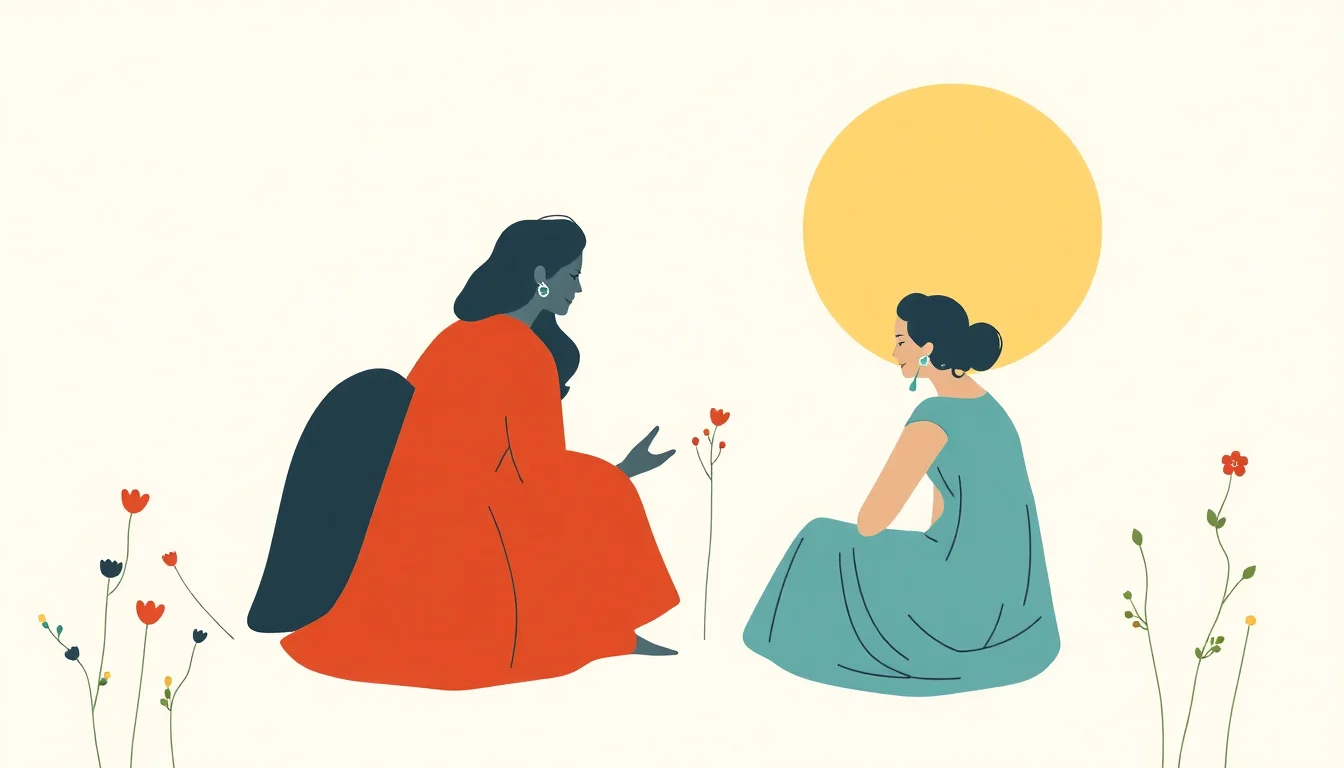
Art collaborations are dynamic partnerships where two or more artists, or artists and entities from different disciplines, merge their distinct skills, perspectives, and resources to create a singular, often groundbreaking, work. This isn't just about sharing a studio; it's a deliberate fusion of creative DNA, pushing boundaries beyond what any single individual could achieve. Think of it as a alchemy where disparate elements combine to form something entirely new, often surprising audiences and critics alike. These projects can range from a painter working with a musician to a digital artist teaming up with a fashion designer, fundamentally altering the process itself.
💡 Who Benefits from Cross-Pollination?
The beneficiaries of art collaborations are manifold, extending far beyond the immediate creators. Artists gain access to new audiences, technical skills, and conceptual frameworks, significantly boosting their output and market reach. For audiences, collaborations offer novel experiences, blending familiar elements in unexpected ways that can spark deeper engagement and appreciation for diverse art forms. Institutions and brands also leverage collaborations to enhance their cultural relevance and connect with contemporary audiences, as seen in numerous initiatives. Ultimately, society benefits from the cross-pollination of ideas, fostering innovation and a richer cultural dialogue.
🤝 Types of Creative Partnerships
Creative partnerships manifest in a spectrum of forms, from informal, project-based alliances to long-term, institutionalized ventures. We see duos like Christo and Jeanne-Claude, who executed monumental public art installations, or more ephemeral pairings like a street artist designing album art for a musician. Collaborations can also occur between established artists and emerging talents, fostering mentorship and skill transfer. Beyond individual artists, consider interdisciplinary involving scientists, technologists, or even chefs, blurring the lines between traditional artistic categories and creating entirely new genres of expression.
🌐 Global Impact & Influence Flows
The influence of art collaborations ripples globally, shaping trends and fostering new artistic movements. The Bauhaus in the early 20th century, for instance, was a seminal example of interdisciplinary collaboration, integrating art, craft, and technology. Today, digital platforms have amplified this reach, enabling artists from different continents to co-create and share work instantaneously. This global exchange accelerates the styles, leading to hybrid forms that reflect our increasingly interconnected world and challenging established hierarchies.
💰 Monetization & Value Creation
Monetization in art collaborations can be complex but often leads to amplified value. Joint ventures can attract larger commissions, grants, and investment due to their broader appeal and perceived innovation. Revenue streams might include sales of physical artworks, digital assets, licensing agreements, or even performance royalties. The capital generated by a successful collaboration can significantly increase an artist's market value and open doors to lucrative opportunities. However, equitable distribution of profits and intellectual property rights are crucial considerations that require clear agreements.
🛠️ Tools & Platforms for Collaboration
Navigating the practicalities of collaboration requires robust tools and platforms. Digital tools like Miro and Figma facilitate remote brainstorming and visual co-creation, while project management software such as Asana or Trello keeps teams aligned. For more tangible projects, shared digital portfolios or cloud storage solutions are essential for asset management. Emerging NFTs are also enabling new forms of collaborative ownership and distribution for digital art. The key is finding tools that support seamless communication and workflow, regardless of physical distance.
🌟 Case Studies: Iconic Collaborations
Iconic collaborations offer a masterclass in creative synergy. The Velvet Underground partnership, where Warhol produced their debut album and designed its iconic banana cover, fused avant-garde music with pop art sensibilities, influencing generations. In contemporary art, the ongoing collaboration between Olafur Eliasson on large-scale installations demonstrates how art can intersect with scientific and technical expertise. These examples highlight how combining distinct creative forces can lead to works with profound cultural resonance and lasting impact.
📈 The Future of Collaborative Art
The future of art collaborations points towards even greater integration across disciplines and technologies. We're likely to see more AI-assisted co-creation, immersive VR born from cross-disciplinary teams, and art projects directly addressing complex global issues like climate change through scientific and artistic lenses. The rise of decentralized autonomous organizations (DAOs) in the Web3 also presents new models for collective art creation and ownership. The emphasis will increasingly be on shared impact and collective intelligence, moving beyond individual artistic statements.
🔍 How to Find Your Next Collaborator
Finding the right collaborator requires strategic networking and a clear understanding of your own artistic goals. Attend exhibitions, workshops, and industry events, both online and in person. Utilize platforms like Behance, Instagram, or specialized artist networking sites to discover potential partners whose work resonates with yours. Don't be afraid to reach out with a well-articulated proposal that outlines mutual benefits and shared vision. Building genuine relationships based on respect and shared passion is the foundation for any successful creative partnership.
Key Facts
- Year
- Ongoing
- Origin
- Ancient Greece (e.g., playwrights and actors)
- Category
- Art & Culture
- Type
- Topic
Frequently Asked Questions
What's the difference between an art collaboration and an artist collective?
An art collaboration is typically a project-based partnership, often focused on a specific outcome or exhibition, and may involve artists from different disciplines. An artist collective, on the other hand, is usually a more permanent group of artists who share resources, studio space, and often a common philosophy or mission, working together on ongoing projects and exhibitions. While collaborations can be temporary, collectives imply a sustained organizational structure and shared identity.
How do artists typically split credit and royalties in a collaboration?
This is highly variable and depends entirely on the agreement made before the project begins. Common models include equal splitting of credit and royalties, or a division based on the perceived contribution of each artist or entity. For larger projects involving institutions or brands, formal contracts are essential to clearly define ownership, usage rights, and financial distribution. Consulting with legal professionals specializing in intellectual property is advisable for significant collaborations.
Can businesses or brands collaborate with artists?
Absolutely. Brands frequently collaborate with artists to create unique marketing campaigns, product designs, or commissioned artworks for their spaces. These partnerships can offer artists significant exposure and financial compensation, while brands gain cultural relevance and authentic engagement with consumers. The key is ensuring the collaboration aligns with both the artist's integrity and the brand's values, avoiding tokenism.
What are the risks of collaborating with someone whose style is very different from mine?
The primary risk is creative friction, where differing aesthetics or methodologies lead to conflict rather than synergy. However, this difference can also be the source of innovation. Success hinges on open communication, mutual respect for each other's distinct contributions, and a willingness to find common ground or create a dialogue between styles. Clearly defining the project's overarching vision can help bridge stylistic gaps.
How can I protect my intellectual property when collaborating?
Before any work begins, establish a clear written agreement detailing ownership, usage rights, and attribution for the collaborative work. This agreement should cover all potential outputs, including preliminary sketches, final pieces, and any derivative works. Registering copyrights for the final piece, if applicable, can provide further legal protection. Open and honest communication about IP concerns from the outset is crucial.
Are there platforms specifically designed for finding art collaborators?
While there isn't one definitive platform, many online communities and professional networks facilitate connections. Websites like Behance, Dribbble, and even professional social networks like LinkedIn can be used to showcase your work and find others. Niche forums, Discord servers dedicated to specific art forms (e.g., game development art, digital illustration), and artist residency programs often foster collaborative opportunities.