
Contents
Overview
The journey of aluminium from a precious metal to an industrial staple is a dramatic tale of scientific innovation and engineering prowess. Ancient civilizations knew of aluminium compounds, like alum, used for dyeing, but the pure metal remained elusive. For decades, aluminium was more valuable than gold, adorning crowns and scientific instruments. The true revolution arrived in 1886 when Charles Martin Hall in the United States and Paul Héroult in France independently developed the electrolytic Hall-Héroult process. This process, using cryolite as a solvent to electrolyze alumina (aluminum oxide), dramatically reduced production costs, making aluminium accessible for mass production and ushering in the Age of Aluminium.
⚙️ How It Works
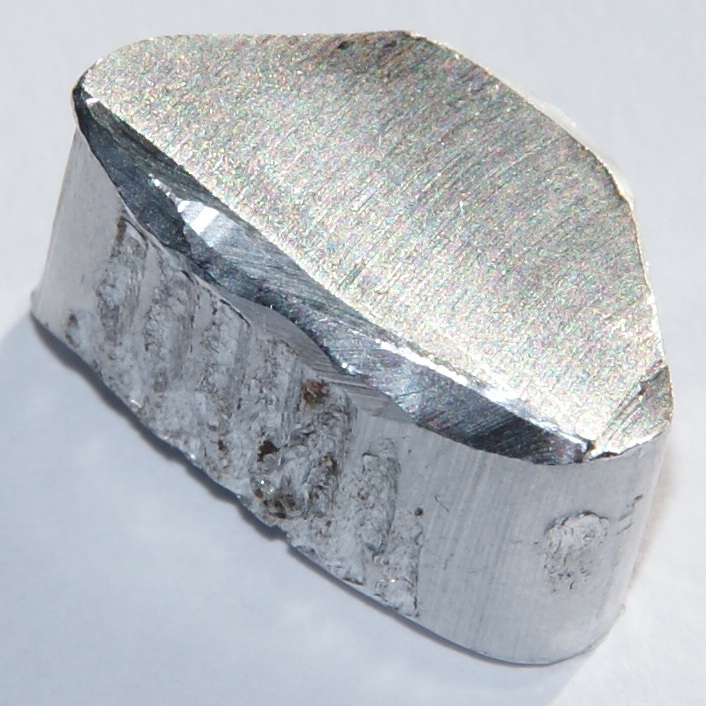
Aluminium's unique properties stem from its atomic structure and chemical behavior. As element number 13, it resides in Group 13 and Period 3 of the periodic table, classifying it as a post-transition metal. Its low density, approximately 2.7 grams per cubic centimeter (g/cm³), is about one-third that of steel, making it ideal for weight-sensitive applications. Crucially, when exposed to air, aluminium rapidly forms a tenacious, transparent layer of aluminium oxide (Al₂O₃) through passivation. This oxide layer, only a few nanometers thick, is inert and prevents further oxidation, granting aluminium its excellent corrosion resistance. Chemically, aluminium typically exhibits a +3 oxidation state, forming covalent bonds due to its small, highly charged cation, which gives it a degree of chemical reactivity not immediately apparent from its passive surface.
📊 Key Facts & Numbers
Aluminium is the most abundant metal in Earth's crust, accounting for approximately 8.2% by weight, and the twelfth-most abundant element in the universe. Globally, primary aluminium production reached around 69 million metric tons in 2023, according to the International Aluminium Institute. The energy required for primary aluminium production is substantial; it takes approximately 13-15 kWh of electricity to produce one kilogram of aluminium. Recycling aluminium is significantly more energy-efficient, requiring only about 5% of the energy needed for primary production. The global market for aluminium was valued at over $240 billion in 2023. A single recycled aluminium can can save enough energy to power a television for three hours. The world's largest aluminium producer by volume is China, followed by India and Russia.
👥 Key People & Organizations
The development of aluminium production is inextricably linked to several key figures and organizations. Beyond the discoverers Hans Christian Ørsted and Frederick Wöhler, the independent invention of the Hall-Héroult process by Charles Martin Hall and Paul Héroult in 1886 was the pivotal moment. Companies like The Aluminium Company of America (now Alcoa Corporation), founded in 1888, and Rio Tinto Alcan (formed through mergers and acquisitions involving companies like Alcan) were instrumental in scaling up production and developing new applications. The International Aluminium Institute (IAI) serves as a global forum for the industry, collecting data and promoting best practices. Research institutions like the Massachusetts Institute of Technology (MIT) have also played crucial roles in advancing aluminium metallurgy and engineering.
🌍 Cultural Impact & Influence
Aluminium's impact on modern culture and technology is profound and pervasive. Its introduction democratized the use of metals, moving beyond the exclusive domain of precious metals like gold and silver. The advent of lightweight, strong aluminium alloys revolutionized aviation, enabling the construction of faster, more efficient aircraft like the Douglas DC-3 and later the Boeing 747. In architecture, aluminium's corrosion resistance and malleability led to its widespread use in window frames, facades, and structural components, exemplified by buildings like the Empire State Building's extensive use of aluminium spandrels. The ubiquitous aluminium soda can, introduced in the 1960s, transformed beverage packaging and became a symbol of convenience and modern consumerism. Its reflective properties also found early use in mirrors and optics.
⚡ Current State & Latest Developments
The aluminium industry is currently navigating a complex landscape of technological advancements, sustainability pressures, and evolving market demands. Significant efforts are underway to reduce the carbon footprint of primary aluminium production, which is heavily reliant on electricity, often sourced from fossil fuels. Companies are investing in renewable energy sources like hydropower and exploring new smelting technologies that require less energy and produce fewer greenhouse gas emissions. The development of inert anode technologies, which aim to replace carbon anodes that emit CO2 during electrolysis, is a key area of research. Furthermore, the circular economy is gaining traction, with increased focus on enhancing aluminium recycling rates and developing closed-loop systems. The demand for aluminium in electric vehicles (EVs), driven by its lightweight properties that improve range and efficiency, is a major growth driver for the industry.
🤔 Controversies & Debates
The primary controversy surrounding aluminium centers on the immense energy consumption and environmental impact of its primary production. The Hall-Héroult process is notoriously energy-intensive, and if the electricity is generated from coal or other fossil fuels, the process releases significant amounts of carbon dioxide (CO2). The mining of bauxite, the primary ore for aluminium, can also lead to land degradation and habitat destruction. There are ongoing debates about the true sustainability of aluminium production, even with increasing reliance on recycling. Another point of contention involves the potential health effects of aluminium exposure, though scientific consensus, as reviewed by organizations like the World Health Organization, largely dismisses links to conditions like Alzheimer's disease, with exposure levels in typical use cases considered safe. The ethical sourcing of bauxite and the management of red mud (a byproduct of alumina refining) are also significant environmental concerns.
🔮 Future Outlook & Predictions
The future of aluminium is poised for significant transformation, driven by the global push for decarbonization and the increasing demand for lightweight materials. Advancements in inert anode technology for smelting could dramatically reduce CO2 emissions, potentially making aluminium production carbon-neutral. The growth of the electric vehicle market will continue to be a major catalyst, as manufacturers seek to reduce vehicle weight to improve battery range and efficiency. Innovations in aluminium alloys, such as aluminium-lithium alloys, offer even greater weight savings for aerospace and high-performance applications. Furthermore, the development of more efficient and widespread recycling infrastructure, coupled with advancements in sorting and reprocessing technologies, will be crucial for achieving a truly circular economy for aluminium. The potential for aluminium to play a key role in renewable energy infrastructure, such as wind turbine components and solar panel frames, also points to a sustained and growing demand.
💡 Practical Applications
Aluminium's versatility makes it indispensable across numerous sectors. In the transportation industry, it's used extensively in automotive bodies, aircraft fuselages, train carriages, and shipbuilding due to its lightweight and strength-to-weight ratio. The construction sector utilizes aluminium for window and door frames, curtain walls, roofing, and structural elements, benefiting from its durability and corrosion resistance. The packaging industry relies heavily on aluminium for beverage cans, food containers, and foil, valued for its barrier properties and recyclabi
Key Facts
- Category
- science
- Type
- topic