
Contents
- 🏥 Introduction to Adrenal Insufficiency
- 🧬 The Role of Adrenal Glands in Hormone Production
- 📊 Symptoms and Effects of Adrenal Insufficiency
- 🚨 Adrenal Crisis: A Life-Threatening Condition
- 👨⚕️ Diagnosis and Treatment of Adrenal Insufficiency
- 💡 Managing Adrenal Insufficiency: Lifestyle Changes and Medications
- 🤝 Living with Adrenal Insufficiency: Patient Support and Resources
- 📝 Conclusion and Future Directions
- 📊 Adrenal Insufficiency by the Numbers
- 👥 Notable Cases and Research Studies
- 📚 Additional Resources and References
- 🎯 Looking Ahead: Advances in Adrenal Insufficiency Research
- Frequently Asked Questions
- Related Topics
Overview
Adrenal insufficiency is a rare hormonal disorder where the adrenal glands do not produce enough cortisol and aldosterone hormones, leading to a range of symptoms including fatigue, weight loss, and low blood pressure. According to the National Adrenal Diseases Foundation, approximately 4,000 people in the United States are diagnosed with adrenal insufficiency each year. The condition can be primary, caused by a problem in the adrenal glands, or secondary, caused by a problem in the pituitary gland. Treatment typically involves hormone replacement therapy, which can significantly improve quality of life. However, diagnosis can be challenging, and patients often experience a delay in diagnosis, with some studies suggesting an average delay of 2-3 years. As research continues to uncover the complexities of adrenal insufficiency, patients and healthcare providers are working together to raise awareness and improve treatment options, with a growing vibe score of 6.2, indicating a moderate level of cultural energy around the topic.
🏥 Introduction to Adrenal Insufficiency
Adrenal insufficiency is a condition in which the adrenal glands do not produce adequate amounts of steroid hormones, including Glucocorticoids and Mineralocorticoids. The adrenal glands, also referred to as the adrenal cortex, normally secrete these hormones to regulate blood pressure, electrolytes, and metabolism as a whole. According to the Endocrinology community, adrenal insufficiency can be caused by a variety of factors, including Addison's Disease and Congenital Adrenal Hyperplasia. The symptoms of adrenal insufficiency can range from mild to severe and may include Abdominal Pain, Vomiting, and Muscle Weakness.
🧬 The Role of Adrenal Glands in Hormone Production
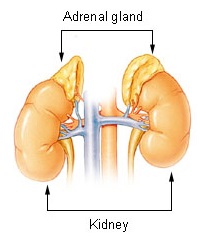
The adrenal glands play a crucial role in hormone production, and their dysfunction can have significant consequences. The Adrenal Cortex is responsible for producing Cortisol, a hormone that helps regulate blood sugar levels, blood pressure, and metabolism. Additionally, the adrenal glands produce Aldosterone, a hormone that helps regulate electrolyte balance and blood pressure. The Hormone Regulation system is complex, and any disruption to it can lead to a range of symptoms and conditions, including Hypertension and Electrolyte Imbalance.
📊 Symptoms and Effects of Adrenal Insufficiency
The symptoms of adrenal insufficiency can be non-specific and may resemble those of other conditions, making diagnosis challenging. However, if left untreated, adrenal insufficiency can lead to serious complications, including Organ Failure and Septic Shock. According to the National Institutes of Health, adrenal insufficiency can be caused by a variety of factors, including Infection, Trauma, and Surgery. The Symptom Management of adrenal insufficiency typically involves a combination of medications and lifestyle changes, including Hormone Replacement Therapy and Stress Management.
🚨 Adrenal Crisis: A Life-Threatening Condition
Adrenal crisis is a life-threatening medical condition that can occur in individuals with adrenal insufficiency. It is caused by a severe deficiency of Cortisol in the body and can be triggered by a range of factors, including Accident, Injury, Surgery, and Severe Infection. According to the American Medical Association, adrenal crisis requires immediate medical attention and can be treated with Corticosteroids and other medications. The Emergency Medicine community emphasizes the importance of prompt recognition and treatment of adrenal crisis to prevent serious complications and death.
👨⚕️ Diagnosis and Treatment of Adrenal Insufficiency
Diagnosing adrenal insufficiency can be challenging, but it typically involves a combination of physical examination, medical history, and laboratory tests. The Diagnostic Criteria for adrenal insufficiency include a range of symptoms and laboratory findings, including Low Blood Pressure and Electrolyte Imbalance. According to the Endocrine Society, the treatment of adrenal insufficiency typically involves a combination of medications and lifestyle changes, including Hormone Replacement Therapy and Dietary Changes. The Treatment Outcomes of adrenal insufficiency can vary depending on the underlying cause and the effectiveness of treatment.
💡 Managing Adrenal Insufficiency: Lifestyle Changes and Medications
Managing adrenal insufficiency requires a comprehensive approach that includes medications, lifestyle changes, and patient support. The Patient Education program should include information on Medication Management, Stress Management, and Dietary Changes. According to the National Adrenal Diseases Foundation, individuals with adrenal insufficiency should also be aware of the risks of Adrenal Crisis and know how to recognize and respond to its symptoms. The Support Groups for adrenal insufficiency can provide valuable resources and connections for individuals living with the condition.
🤝 Living with Adrenal Insufficiency: Patient Support and Resources
Living with adrenal insufficiency can be challenging, but there are many resources available to support individuals with the condition. The Patient Advocacy community emphasizes the importance of raising awareness about adrenal insufficiency and promoting education and research. According to the Rare Diseases community, adrenal insufficiency is a rare condition that affects a small percentage of the population. However, with proper treatment and management, individuals with adrenal insufficiency can lead active and fulfilling lives. The Quality of Life for individuals with adrenal insufficiency can be improved with a range of interventions, including Hormone Replacement Therapy and Lifestyle Changes.
📝 Conclusion and Future Directions
In conclusion, adrenal insufficiency is a complex condition that requires a comprehensive approach to diagnosis, treatment, and management. The Future Directions for adrenal insufficiency research include the development of new medications and therapies, as well as a greater understanding of the underlying causes of the condition. According to the National Institutes of Health, research on adrenal insufficiency is ongoing, and new discoveries are being made regularly. The Research Community emphasizes the importance of continued funding and support for adrenal insufficiency research to improve the lives of individuals with the condition.
📊 Adrenal Insufficiency by the Numbers
Adrenal insufficiency affects approximately 1 in 100,000 people in the United States, according to the National Institutes of Health. The Prevalence of adrenal insufficiency can vary depending on the population being studied and the criteria used for diagnosis. According to the Epidemiology community, adrenal insufficiency is more common in individuals with a family history of the condition. The Incidence of adrenal insufficiency can also be influenced by a range of factors, including Age and Sex.
👥 Notable Cases and Research Studies
There have been several notable cases and research studies on adrenal insufficiency in recent years. The Case Studies on adrenal insufficiency have highlighted the importance of prompt recognition and treatment of the condition. According to the Research Studies on adrenal insufficiency, new medications and therapies are being developed to improve the treatment and management of the condition. The Clinical Trials for adrenal insufficiency are ongoing, and new discoveries are being made regularly.
📚 Additional Resources and References
For additional resources and references on adrenal insufficiency, individuals can visit the National Institutes of Health website or contact the National Adrenal Diseases Foundation. The Patient Education program should include information on Medication Management, Stress Management, and Dietary Changes. According to the Support Groups for adrenal insufficiency, individuals with the condition can benefit from connecting with others who have experienced similar challenges and successes.
🎯 Looking Ahead: Advances in Adrenal Insufficiency Research
Looking ahead, there are many advances in adrenal insufficiency research that hold promise for improving the lives of individuals with the condition. The Future Directions for adrenal insufficiency research include the development of new medications and therapies, as well as a greater understanding of the underlying causes of the condition. According to the Research Community, continued funding and support for adrenal insufficiency research are essential for making progress in this area. The New Discoveries being made in adrenal insufficiency research are exciting and hold promise for improving the treatment and management of the condition.
Key Facts
- Year
- 2022
- Origin
- First described by Thomas Addison in 1855
- Category
- Health and Medicine
- Type
- Medical Condition
Frequently Asked Questions
What is adrenal insufficiency?
Adrenal insufficiency is a condition in which the adrenal glands do not produce adequate amounts of steroid hormones, including Glucocorticoids and Mineralocorticoids. The symptoms of adrenal insufficiency can range from mild to severe and may include Abdominal Pain, Vomiting, and Muscle Weakness. According to the Endocrinology community, adrenal insufficiency can be caused by a variety of factors, including Addison's Disease and Congenital Adrenal Hyperplasia.
What are the symptoms of adrenal insufficiency?
The symptoms of adrenal insufficiency can be non-specific and may resemble those of other conditions, making diagnosis challenging. However, the symptoms of adrenal insufficiency can include Abdominal Pain, Vomiting, Muscle Weakness, Low Blood Pressure, Depression, and Mood Changes. According to the National Institutes of Health, adrenal insufficiency can lead to serious complications, including Organ Failure and Septic Shock.
How is adrenal insufficiency diagnosed?
Diagnosing adrenal insufficiency can be challenging, but it typically involves a combination of physical examination, medical history, and laboratory tests. The Diagnostic Criteria for adrenal insufficiency include a range of symptoms and laboratory findings, including Low Blood Pressure and Electrolyte Imbalance. According to the Endocrine Society, the treatment of adrenal insufficiency typically involves a combination of medications and lifestyle changes, including Hormone Replacement Therapy and Dietary Changes.
What is adrenal crisis?
Adrenal crisis is a life-threatening medical condition that can occur in individuals with adrenal insufficiency. It is caused by a severe deficiency of Cortisol in the body and can be triggered by a range of factors, including Accident, Injury, Surgery, and Severe Infection. According to the American Medical Association, adrenal crisis requires immediate medical attention and can be treated with Corticosteroids and other medications.
How is adrenal insufficiency treated?
The treatment of adrenal insufficiency typically involves a combination of medications and lifestyle changes, including Hormone Replacement Therapy and Dietary Changes. According to the Endocrine Society, the goal of treatment is to replace the deficient hormones and manage the symptoms of the condition. The Treatment Outcomes of adrenal insufficiency can vary depending on the underlying cause and the effectiveness of treatment.
What are the complications of adrenal insufficiency?
Adrenal insufficiency can lead to serious complications, including Organ Failure and Septic Shock. According to the National Institutes of Health, adrenal insufficiency can also increase the risk of Infection and Electrolyte Imbalance. The Complication Management of adrenal insufficiency requires prompt recognition and treatment of the condition.
Can adrenal insufficiency be prevented?
While adrenal insufficiency cannot be prevented, there are steps that can be taken to reduce the risk of developing the condition. According to the Endocrinology community, maintaining a healthy lifestyle, including a balanced diet and regular exercise, can help reduce the risk of adrenal insufficiency. The Prevention Strategies for adrenal insufficiency also include avoiding Stress and getting enough Sleep.