
Contents
Overview
Adobe construction dates back over 11,000 years, with the earliest known examples found in the Middle East. Ancient Sumerians, Egyptians, and Mesopotamians mastered adobe techniques, while the Inca and Mayans built monumental structures like Machu Picchu using compressed earth. In the Southwestern United States, Pueblo peoples developed distinctive adobe architecture, influencing modern Territorial Revival styles. The material's durability in arid climates made it ideal for regions like the American Southwest, where it remains a symbol of cultural heritage.
🛠️ How It Works
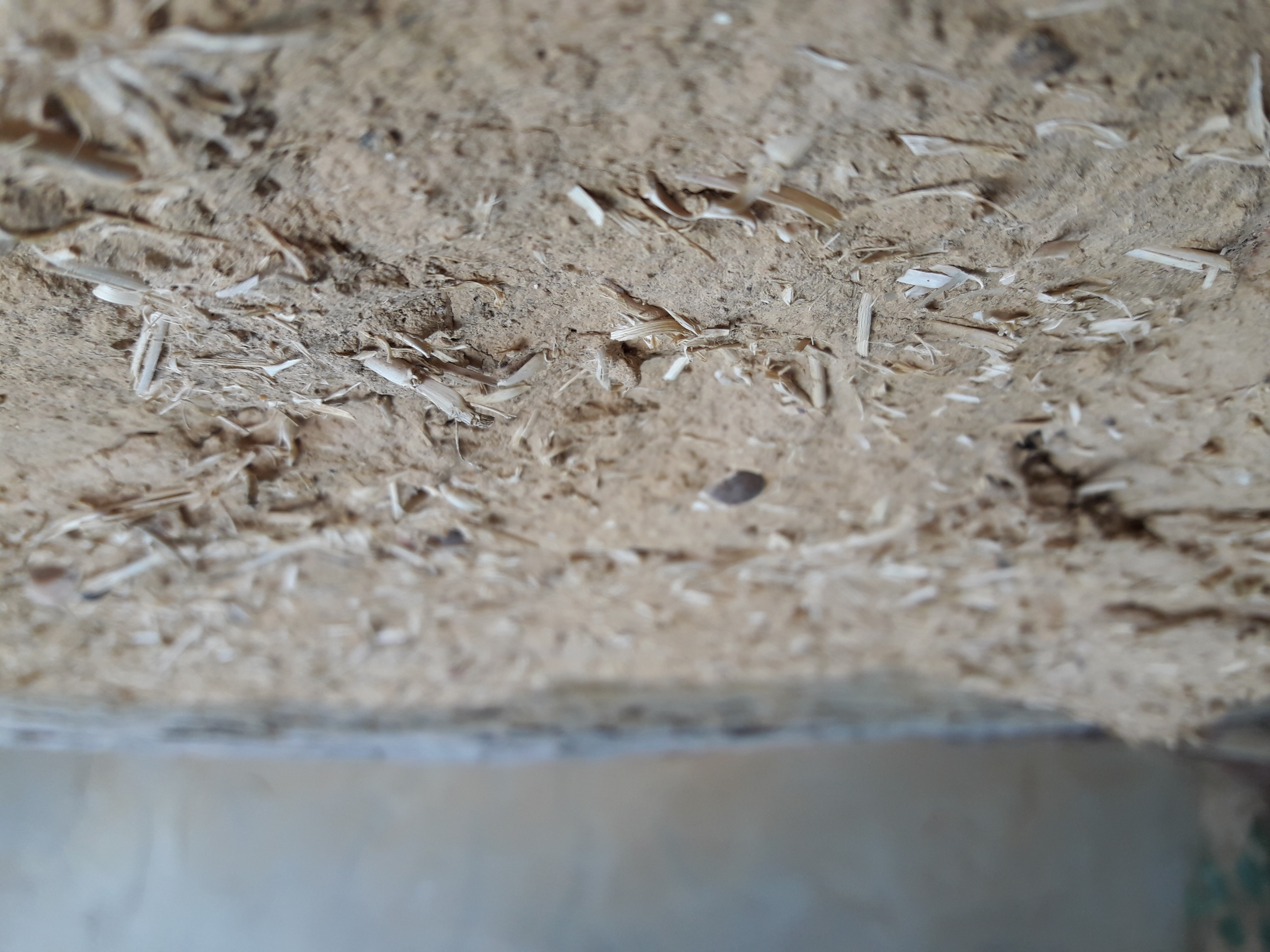
Creating adobe involves mixing loam, clay, straw, and water to form bricks that are sun-dried rather than fired. This process, used by the ancient Egyptians and later refined by the Romans, produces a material that is both thermally efficient and earthquake-resistant. Adobe's properties are similar to cob and rammed earth, but its sun-dried nature makes it distinct. Modern architects like Frank Lloyd Wright incorporated adobe into designs such as the Taliesin West complex, blending traditional techniques with contemporary aesthetics.
🌍 Cultural Impact
Adobe's cultural impact spans from the Great Mosque of Djenné in Mali to the adobe homes of Taos Pueblo. In the 20th century, architects like Luis Barragán revitalized adobe in Mexico City, while the Pueblo Revival style in the U.S. drew inspiration from Native American earth-based construction. Today, organizations like the Adobe Architecture Foundation promote its use in sustainable building practices, highlighting its role in reducing carbon footprints. The material's resurgence in eco-conscious design connects ancient wisdom with modern environmental challenges.
🔮 Legacy & Future
Despite challenges like moisture vulnerability, adobe remains a vital material for cultural preservation and sustainable development. Innovations such as stabilized adobe and hybrid systems with modern insulation are expanding its applications. As climate change pressures global construction, adobe's low-impact, resource-efficient nature positions it as a key player in the future of architecture. From the ancient ziggurats of Mesopotamia to the eco-homes of today, adobe continues to shape human habitation across millennia.
Key Facts
- Year
- c. 11,000 BCE - present
- Origin
- Mesopotamia, Egypt, and the American Southwest
- Category
- science
- Type
- concept
Frequently Asked Questions
What is adobe made of?
Adobe is made from a mixture of loam, clay, straw, and water, shaped into bricks and dried in the sun. This natural composition gives it unique thermal properties and durability in arid climates.
Where was adobe first used?
The earliest known adobe structures date back to around 11,000 BCE in Mesopotamia, with ancient Sumerians, Egyptians, and later the Inca and Mayans developing sophisticated techniques.
Is adobe still used today?
Yes, adobe is used in both traditional and modern contexts. Contemporary architects like Frank Lloyd Wright and Luis Barragán have incorporated it into designs, while sustainability advocates promote its eco-friendly properties.
What are the advantages of adobe?
Adobe is thermally efficient, earthquake-resistant, and has a low carbon footprint. It also provides natural insulation, making it ideal for hot climates.
What are the challenges of using adobe?
Adobe can be vulnerable to moisture damage and requires proper protection in humid climates. Modern innovations like stabilized adobe address these issues, expanding its applications.