
Contents
- Introduction to Addiction Potential
- Neurobiological Factors
- Epidemiology and Statistics
- Risk Factors and Prevention
- Cultural and Environmental Influences
- Current Research and Developments
- Controversies and Debates
- Future Directions and Treatment Options
- Practical Applications and Resources
- Related Topics and Further Reading
- References
Overview
Addiction potential refers to the likelihood of an individual developing an addiction to a substance or behavior. It is a complex phenomenon influenced by a combination of genetic, environmental, and psychological factors. According to the National Institute on Drug Abuse, addiction is a major public health concern. Understanding the factors that contribute to addiction potential is crucial for developing effective prevention and treatment strategies. For instance, the American Psychological Association emphasizes the importance of addressing underlying mental health issues, such as depression and anxiety, in the treatment of addiction.
Introduction to Addiction Potential
Addiction potential is a complex and multifaceted concept that has been studied extensively in the fields of psychology, neuroscience, and medicine. According to the World Health Organization, addiction is a major public health concern. The development of addiction is often linked to changes in brain function, particularly in regions responsible for reward processing, motivation, and self-control. For example, research has shown that addiction can alter the brain's reward system, leading to compulsive behavior and a loss of self-control.
Neurobiological Factors
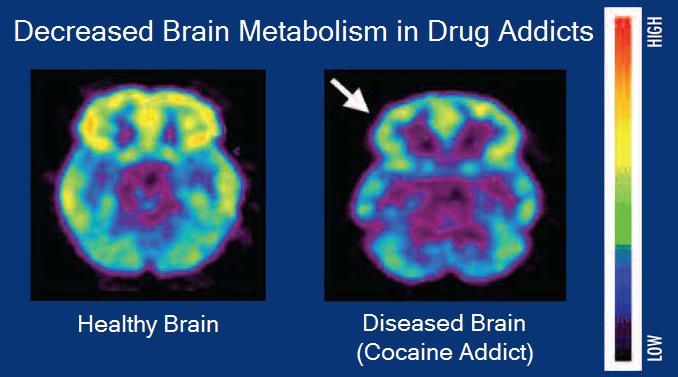
The neurobiological factors that contribute to addiction potential are numerous and complex. Research has shown that addiction is associated with changes in the brain's reward system, including the release of neurotransmitters. The brain's reward system is responsible for motivating behavior and reinforcing learning, and it is thought to play a critical role in the development of addiction.
Epidemiology and Statistics
Epidemiological studies have shown that addiction is a significant public health concern. The prevalence of addiction varies widely depending on the substance or behavior, with some of the most common addictions including alcohol use disorder, opioid use disorder, and gambling disorder. Furthermore, research has highlighted the importance of addressing the social determinants of health, such as poverty and lack of access to education and employment opportunities, in reducing the risk of addiction.
Risk Factors and Prevention
Risk factors for addiction include a combination of genetic, environmental, and psychological factors. For example, individuals with a family history of addiction are more likely to develop an addiction themselves. Additionally, exposure to addictive substances or behaviors at a young age can increase the risk of developing an addiction. According to the Substance Abuse and Mental Health Services Administration, early intervention and treatment can significantly reduce the risk of addiction.
Cultural and Environmental Influences
Cultural and environmental influences can also play a significant role in shaping addiction potential. For example, societal norms and expectations can influence an individual's attitudes and behaviors towards addictive substances or behaviors. Additionally, access to addictive substances or behaviors can increase the risk of developing an addiction. For instance, research has shown that social media can contribute to the development of addiction by providing a platform for social comparison and escapism.
Current Research and Developments
Current research and developments in the field of addiction potential are focused on improving our understanding of the complex factors that contribute to addiction. This includes the development of new treatments and interventions, such as medication-assisted treatment and cognitive-behavioral therapy. According to the National Institute of Mental Health, these treatments have shown significant promise in reducing the risk of addiction and improving treatment outcomes. Additionally, research has explored the potential of artificial intelligence in developing personalized treatment plans for individuals with addiction.
Controversies and Debates
Controversies and debates in the field of addiction potential include the question of whether addiction is a disease or a moral failing. Some argue that addiction is a disease that requires medical treatment, while others argue that it is a moral failing that requires personal responsibility and willpower. Furthermore, research has highlighted the importance of addressing the stigma surrounding addiction and promoting a more compassionate and supportive approach to treatment.
Future Directions and Treatment Options
Future directions and treatment options for addiction potential include the development of new medications and therapies, such as vaccines and gene therapy. Additionally, there is a growing recognition of the importance of addressing underlying mental health issues, such as depression and anxiety, in the treatment of addiction. According to the American Medical Association, a comprehensive treatment approach that addresses the physical, emotional, and psychological aspects of addiction is essential for achieving long-term recovery.
Practical Applications and Resources
Practical applications and resources for addressing addiction potential include the development of evidence-based treatments and interventions, such as 12-step programs and support groups. Additionally, there is a growing recognition of the importance of providing access to addiction treatment and recovery services, particularly in underserved communities. For instance, the Salvation Army provides a range of addiction treatment and recovery services, including counseling, housing, and employment support.
Key Facts
- Category
- science
- Type
- topic