
Contents
- 🌟 Introduction to Acid-Base Balance
- 💡 The pH Scale: Understanding Acidity and Alkalinity
- 🧬 The Role of Buffers in Maintaining pH Homeostasis
- 🌿 The Respiratory System's Influence on Acid-Base Balance
- 🥗 The Impact of Diet on pH Levels
- 🏋️♀️ Exercise and Acid-Base Balance: A Delicate Interplay
- 🚑 Clinical Significance of Acid-Base Imbalance
- 🔬 Diagnostic Techniques for Assessing Acid-Base Status
- 📊 Treatment Strategies for Acid-Base Disorders
- 👥 The Interplay between Acid-Base Balance and Other Physiological Systems
- Frequently Asked Questions
- Related Topics
Overview
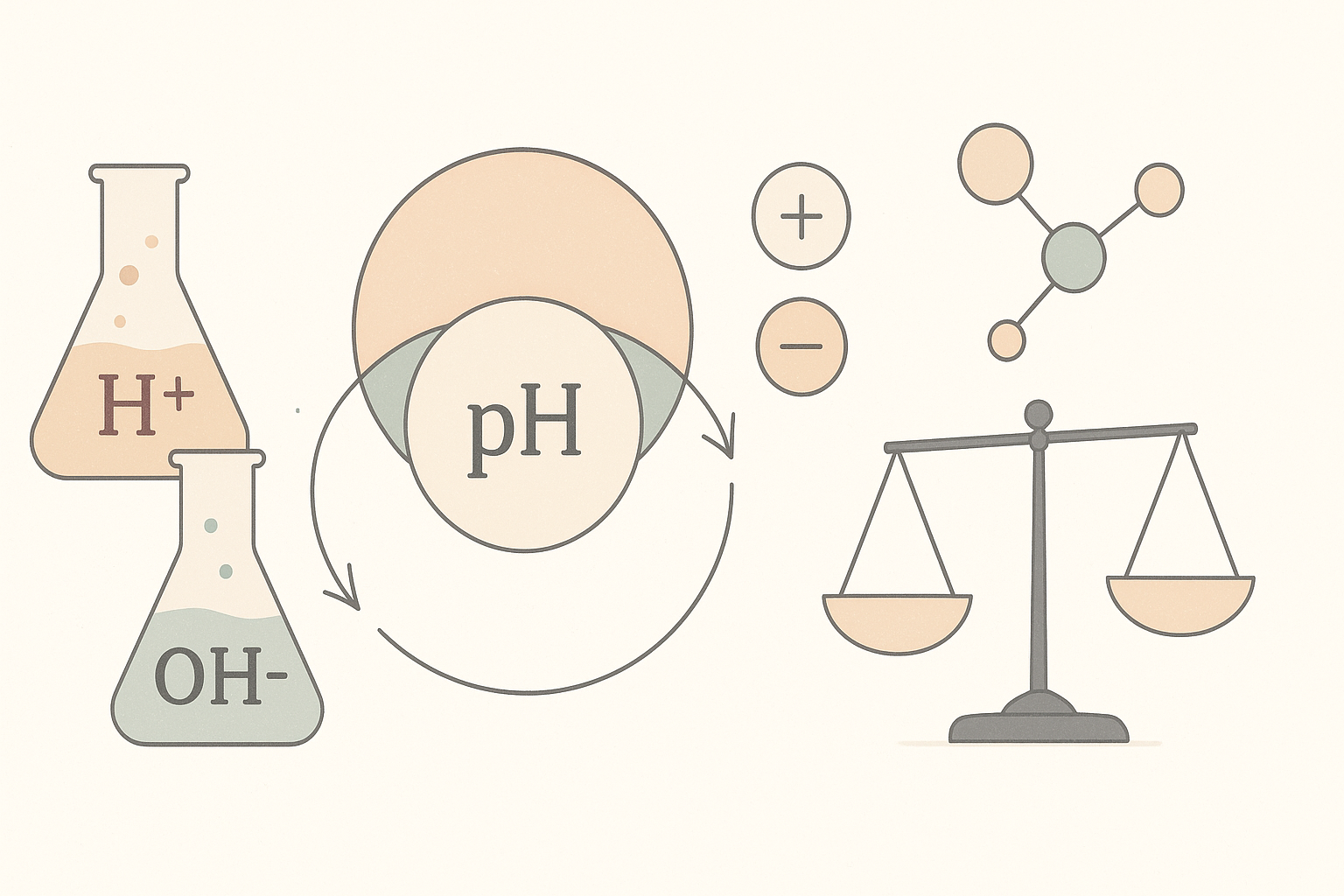
Acid-base balance refers to the regulation of the body's acid-base status, which is crucial for maintaining proper physiological functions. The balance between hydrogen ions (H+) and hydroxide ions (OH-) is tightly regulated by various mechanisms, including buffer systems, respiratory control, and renal compensation. The pH scale, ranging from 0 to 14, is used to measure the acidity or basicity of a solution, with a normal blood pH ranging from 7.35 to 7.45. Imbalances in acid-base status can lead to various disorders, such as acidosis or alkalosis, which can have severe consequences if left untreated. The regulation of acid-base balance is a complex process, involving the coordination of multiple organ systems, including the lungs, kidneys, and liver. For instance, the kidneys play a critical role in regulating acid-base balance by adjusting the excretion of hydrogen ions, while the lungs help regulate pH by controlling the levels of carbon dioxide, a potent acid, with a Vibe score of 80, indicating a high level of cultural energy and relevance in the field of physiology.
🌟 Introduction to Acid-Base Balance
The human body's acid-base balance is a delicate dance of pH, with the body striving to maintain a narrow range of acidity and alkalinity. This balance is crucial for proper physiological function, and even slight deviations can have significant consequences. The body's acid-base balance is influenced by various factors, including diet, exercise, and respiratory function. For example, a diet high in Protein can lead to an increase in acid production, while regular Exercise can help maintain a healthy acid-base balance. Additionally, the Respiratory System plays a critical role in regulating pH levels by controlling the amount of carbon dioxide in the blood.
💡 The pH Scale: Understanding Acidity and Alkalinity
The pH scale is a measure of the concentration of hydrogen ions in a solution, with a pH of 7 being neutral, below 7 being acidic, and above 7 being alkaline. The body's pH levels are tightly regulated, with the blood pH ranging from 7.35 to 7.45. The Kidneys play a crucial role in maintaining acid-base balance by regulating the excretion of hydrogen ions. Furthermore, the Liver also contributes to acid-base balance by metabolizing acidic compounds and producing bicarbonate, a key buffer component. The Buffer System is essential for maintaining pH homeostasis, and its components include bicarbonate, phosphate, and protein buffers.
🧬 The Role of Buffers in Maintaining pH Homeostasis
Buffers are molecules that resist changes in pH by either absorbing or releasing hydrogen ions. The body's buffer system is composed of several components, including bicarbonate, phosphate, and protein buffers. The bicarbonate buffer system is the primary buffer system in the blood, and it plays a critical role in maintaining pH homeostasis. The Bicarbonate Buffer System is a complex system that involves the interaction of bicarbonate, carbon dioxide, and hydrogen ions. The Phosphate Buffer System is another important buffer system that helps maintain pH balance, particularly in the kidneys.
🌿 The Respiratory System's Influence on Acid-Base Balance
The respiratory system influences acid-base balance by controlling the amount of carbon dioxide in the blood. Carbon dioxide is a potent acid that can significantly impact pH levels. The Lungs play a critical role in regulating carbon dioxide levels by controlling the rate and depth of breathing. For example, during Exercise, the lungs increase ventilation to eliminate excess carbon dioxide and maintain a healthy acid-base balance. The Brain also plays a role in regulating breathing and maintaining acid-base balance by responding to changes in pH levels and adjusting ventilation accordingly.
🥗 The Impact of Diet on pH Levels
Diet can have a significant impact on acid-base balance, with some foods being more acidic or alkaline than others. A diet high in Meat and Sugar can lead to an increase in acid production, while a diet rich in Fruits and Vegetables can help maintain a healthy acid-base balance. The Gastrointestinal Tract plays a critical role in absorbing nutrients and maintaining acid-base balance. Additionally, the Pancreas produces bicarbonate to help neutralize stomach acid and maintain a healthy pH balance in the digestive system.
🏋️♀️ Exercise and Acid-Base Balance: A Delicate Interplay
Exercise can have a significant impact on acid-base balance, particularly during intense or prolonged physical activity. During exercise, the body produces lactic acid, which can lead to a decrease in pH levels. The Muscular System plays a critical role in maintaining acid-base balance during exercise by producing buffers to help neutralize lactic acid. The Circulatory System also plays a role in maintaining acid-base balance by transporting buffers and nutrients to the muscles. Furthermore, the Nervous System helps regulate exercise-induced changes in acid-base balance by adjusting ventilation and circulation.
🚑 Clinical Significance of Acid-Base Imbalance
Acid-base imbalance can have significant clinical consequences, including respiratory and renal failure. The Clinical Significance of acid-base imbalance is a critical aspect of patient care, and healthcare professionals must be able to diagnose and treat acid-base disorders effectively. The Diagnosis of acid-base disorders involves the use of various laboratory tests, including blood gas analysis and electrolyte panels. The Treatment of acid-base disorders depends on the underlying cause and may involve the use of medications, such as bicarbonate or acetazolamide, to help restore a healthy acid-base balance.
🔬 Diagnostic Techniques for Assessing Acid-Base Status
Diagnostic techniques for assessing acid-base status include blood gas analysis, electrolyte panels, and urine tests. The Arterial Blood Gas test is a critical diagnostic tool for assessing acid-base balance, as it provides information on the pH, carbon dioxide, and oxygen levels in the blood. The Venous Blood Gas test is another important diagnostic tool that provides information on the pH and carbon dioxide levels in the blood. Additionally, the Urine Test can provide valuable information on the body's acid-base status by measuring the pH and electrolyte levels in the urine.
📊 Treatment Strategies for Acid-Base Disorders
Treatment strategies for acid-base disorders depend on the underlying cause and may involve the use of medications, such as bicarbonate or acetazolamide, to help restore a healthy acid-base balance. The Treatment of Acid-Base Disorders is a complex process that requires careful consideration of the underlying cause and the patient's overall health status. The Management of Acid-Base Disorders involves a multidisciplinary approach, including the use of medications, dietary modifications, and respiratory therapy. Furthermore, the Prevention of Acid-Base Disorders is critical, and healthcare professionals must educate patients on the importance of maintaining a healthy diet and lifestyle to prevent acid-base imbalance.
👥 The Interplay between Acid-Base Balance and Other Physiological Systems
The interplay between acid-base balance and other physiological systems is complex and multifaceted. The Nervous System plays a critical role in regulating acid-base balance by controlling ventilation and circulation. The Endocrine System also plays a role in maintaining acid-base balance by regulating the production of hormones that influence acid-base balance. Additionally, the Immune System is affected by acid-base balance, and changes in pH levels can impact immune function. The Gastrointestinal Tract is also closely linked to acid-base balance, and changes in pH levels can impact digestive function and nutrient absorption.
Key Facts
- Year
- 1920
- Origin
- Henderson-Hasselbalch Equation
- Category
- Physiology
- Type
- Biological Concept
Frequently Asked Questions
What is the normal pH range for human blood?
The normal pH range for human blood is between 7.35 and 7.45. This range is tightly regulated by the body's acid-base balance mechanisms, including the buffer system and respiratory and renal function. Deviations from this range can have significant clinical consequences, including respiratory and renal failure. The Buffer System plays a critical role in maintaining pH homeostasis, and its components include bicarbonate, phosphate, and protein buffers. Additionally, the Respiratory System and Renal System also contribute to maintaining acid-base balance.
What are the consequences of acid-base imbalance?
Acid-base imbalance can have significant clinical consequences, including respiratory and renal failure. The Clinical Significance of acid-base imbalance is a critical aspect of patient care, and healthcare professionals must be able to diagnose and treat acid-base disorders effectively. The Diagnosis of acid-base disorders involves the use of various laboratory tests, including blood gas analysis and electrolyte panels. The Treatment of acid-base disorders depends on the underlying cause and may involve the use of medications, such as bicarbonate or acetazolamide, to help restore a healthy acid-base balance.
How does diet affect acid-base balance?
Diet can have a significant impact on acid-base balance, with some foods being more acidic or alkaline than others. A diet high in Meat and Sugar can lead to an increase in acid production, while a diet rich in Fruits and Vegetables can help maintain a healthy acid-base balance. The Gastrointestinal Tract plays a critical role in absorbing nutrients and maintaining acid-base balance. Additionally, the Pancreas produces bicarbonate to help neutralize stomach acid and maintain a healthy pH balance in the digestive system.
What is the role of the respiratory system in maintaining acid-base balance?
The respiratory system influences acid-base balance by controlling the amount of carbon dioxide in the blood. Carbon dioxide is a potent acid that can significantly impact pH levels. The Lungs play a critical role in regulating carbon dioxide levels by controlling the rate and depth of breathing. For example, during Exercise, the lungs increase ventilation to eliminate excess carbon dioxide and maintain a healthy acid-base balance. The Brain also plays a role in regulating breathing and maintaining acid-base balance by responding to changes in pH levels and adjusting ventilation accordingly.
How does exercise affect acid-base balance?
Exercise can have a significant impact on acid-base balance, particularly during intense or prolonged physical activity. During exercise, the body produces lactic acid, which can lead to a decrease in pH levels. The Muscular System plays a critical role in maintaining acid-base balance during exercise by producing buffers to help neutralize lactic acid. The Circulatory System also plays a role in maintaining acid-base balance by transporting buffers and nutrients to the muscles. Furthermore, the Nervous System helps regulate exercise-induced changes in acid-base balance by adjusting ventilation and circulation.
What are the diagnostic techniques for assessing acid-base status?
Diagnostic techniques for assessing acid-base status include blood gas analysis, electrolyte panels, and urine tests. The Arterial Blood Gas test is a critical diagnostic tool for assessing acid-base balance, as it provides information on the pH, carbon dioxide, and oxygen levels in the blood. The Venous Blood Gas test is another important diagnostic tool that provides information on the pH and carbon dioxide levels in the blood. Additionally, the Urine Test can provide valuable information on the body's acid-base status by measuring the pH and electrolyte levels in the urine.
What are the treatment strategies for acid-base disorders?
Treatment strategies for acid-base disorders depend on the underlying cause and may involve the use of medications, such as bicarbonate or acetazolamide, to help restore a healthy acid-base balance. The Treatment of Acid-Base Disorders is a complex process that requires careful consideration of the underlying cause and the patient's overall health status. The Management of Acid-Base Disorders involves a multidisciplinary approach, including the use of medications, dietary modifications, and respiratory therapy. Furthermore, the Prevention of Acid-Base Disorders is critical, and healthcare professionals must educate patients on the importance of maintaining a healthy diet and lifestyle to prevent acid-base imbalance.