
Contents
Overview
The Aare River's story is etched in millennia, with its name echoing from the La Tène period. Ancient inscriptions, such as the Berne zinc tablet, reference it as 'Nantaror' within the context of the 'Aare valley,' indicating its early recognition as a significant geographical feature. Roman chroniclers later Latinized the name to variations like Arula, Arola, and Araris, demonstrating its enduring presence in the region's nomenclature. This linguistic continuity highlights the river's foundational role in the landscape and the collective memory of the people inhabiting the Swiss plateau for centuries. The river's journey from glacial meltwater to its powerful confluence with the Rhine is a testament to geological forces shaping the Swiss Alps and its forelands.
⚙️ How It Works
The Aare functions as a dynamic hydrological system, originating from the Aare Glacier near the Finsteraarhorn in the Bernese Alps. Its course is characterized by a steep gradient, particularly in its upper reaches, which facilitates significant hydroelectric power generation. The river's flow is managed and harnessed by a complex network of over 40 hydroelectric plants, including major facilities like the Grimsel Dam and the Beznau Nuclear Power Plant which utilizes Aare water for cooling. Its drainage basin, covering approximately 17,779 square kilometers, captures precipitation and snowmelt from a vast area, channeling it towards the Rhine. The confluence with the High Rhine at Koblenz is a notable hydrological event, where the Aare's discharge often exceeds that of the Rhine, a phenomenon attributed to the Rhine's upstream flow regulation and the Aare's substantial meltwater contribution.
📊 Key Facts & Numbers
The Aare River stretches approximately 295 kilometers, making it the longest river entirely within Switzerland. It descends a total of 1,565 meters from its source to its mouth. The river's drainage basin covers an impressive 17,779 square kilometers, accounting for nearly 43% of Switzerland's total land area. Over 40 hydroelectric power plants are situated along its course, contributing significantly to Switzerland's renewable energy portfolio. The average discharge of the Aare at its confluence with the Rhine is around 560 cubic meters per second, which can be greater than the Rhine's discharge at that point. The river's water temperature can fluctuate significantly, ranging from near freezing in winter to over 20 degrees Celsius in summer, impacting its ecological dynamics.
👥 Key People & Organizations
While the Aare River itself is a natural entity, its management and utilization involve numerous organizations and historical figures. The Swiss Federal Office of Energy oversees national energy policies, including those related to hydroelectric power generated from rivers like the Aare. Cantonal governments, such as the Canton of Bern and the Canton of Solothurn, play crucial roles in managing local water resources and environmental protection along the river's banks. Historically, figures involved in the development of Swiss infrastructure and engineering, like Alfred Escher, who championed major railway and industrial projects, indirectly influenced the context in which rivers like the Aare were harnessed for power. The ETH Zurich and EPFL are key institutions for research in hydrology and energy engineering related to such river systems.
🌍 Cultural Impact & Influence
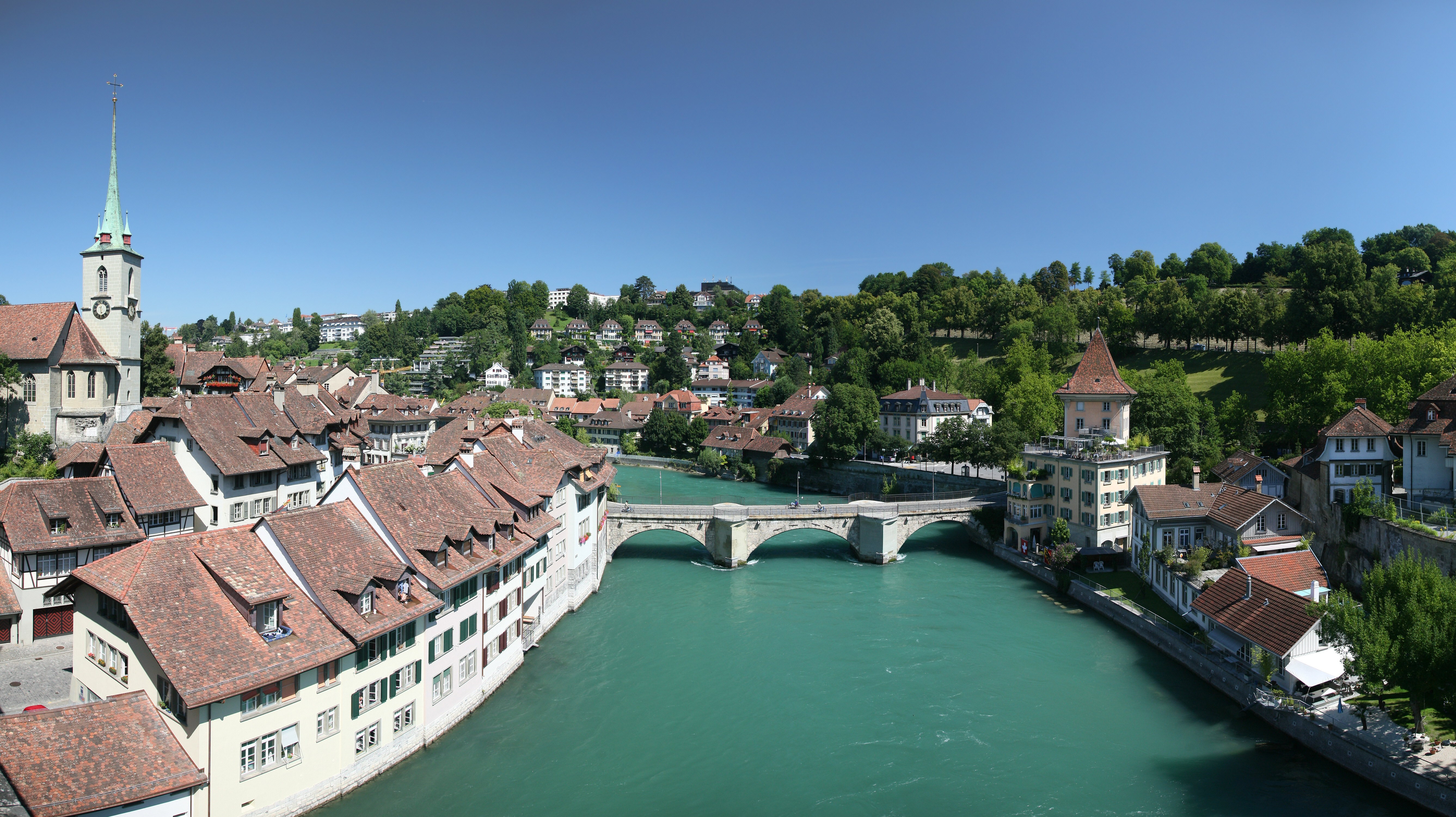
The Aare River is deeply woven into the cultural fabric of Switzerland, particularly in the cantons it traverses. Its banks have been inhabited for millennia, with archaeological finds from the La Tène culture attesting to early human interaction. The city of Bern, Switzerland's capital, is famously situated on a peninsula formed by a dramatic bend of the Aare, a geographical feature that profoundly shaped its medieval development and defense. The river is a popular recreational area for swimming, boating, and fishing, especially during the summer months, with its clear, cool waters being a cherished local amenity. Its presence is immortalized in Swiss art, literature, and folklore, often symbolizing nature's power and the country's pristine environment. The annual Aare Marathon is a notable event celebrating the river's course.
⚡ Current State & Latest Developments
In contemporary times, the Aare River continues to be a focal point for energy production and environmental stewardship. The ongoing operation and maintenance of its numerous hydroelectric facilities remain critical for Switzerland's energy security. Simultaneously, there is a growing emphasis on ecological considerations, including fish migration pathways and water quality monitoring, particularly in light of climate change impacts on glacial meltwater. Recent discussions have revolved around the modernization of older dams and the potential for new energy storage solutions. The Swiss Federal Office for the Environment (FOEN) actively monitors the river's health and implements conservation strategies. The river's role in flood management, especially during intense rainfall events, remains a key concern for communities along its banks.
🤔 Controversies & Debates
The Aare River is not without its controversies, primarily centered around its extensive industrialization for hydroelectric power. Critics argue that the numerous dams and water diversions have significantly altered the river's natural flow, impacting aquatic ecosystems and sediment transport. Concerns have been raised about the long-term effects of reduced glacial meltwater due to climate change on the river's volume and temperature, potentially affecting downstream ecosystems and power generation. Debates also arise regarding the allocation of water resources between energy production, agriculture, and recreational use. The environmental impact assessments for new or upgraded hydroelectric projects often face scrutiny from environmental organizations like WWF Switzerland and local conservation groups.
🔮 Future Outlook & Predictions
The future of the Aare River is intrinsically linked to Switzerland's energy transition and climate adaptation strategies. As the nation moves towards greater reliance on renewable energy, the role of hydroelectric power from the Aare will likely remain significant, potentially with increased investment in efficiency and storage technologies. However, adapting to reduced glacial meltwater and more extreme weather events will necessitate innovative water management approaches. There is a growing push for 'nature-based solutions' to mitigate flood risks and enhance biodiversity along the riverbanks. Future developments may also involve exploring the potential for integrating other renewable energy sources with existing hydropower infrastructure, creating more resilient and sustainable energy systems.
💡 Practical Applications
The Aare River's primary practical application is its extensive use for hydroelectric power generation, providing a substantial portion of Switzerland's electricity. Its waters are also crucial for industrial cooling, notably for the Beznau Nuclear Power Plant, the oldest operating nuclear power plant in Switzerland. Beyond energy, the Aare serves as a vital source for municipal water supplies in many towns and cities along its course. It is also a significant resource for irrigation in agricultural areas downstream. Furthermore, the river is a major hub for recreational activities, including swimming, kayaking, and fishing, contributing to the local tourism economy and the quality of life for residents. Its navigable sections are utilized for leisure boating and transport.
Key Facts
- Category
- nature
- Type
- topic