Streamline Moderne | Vibepedia
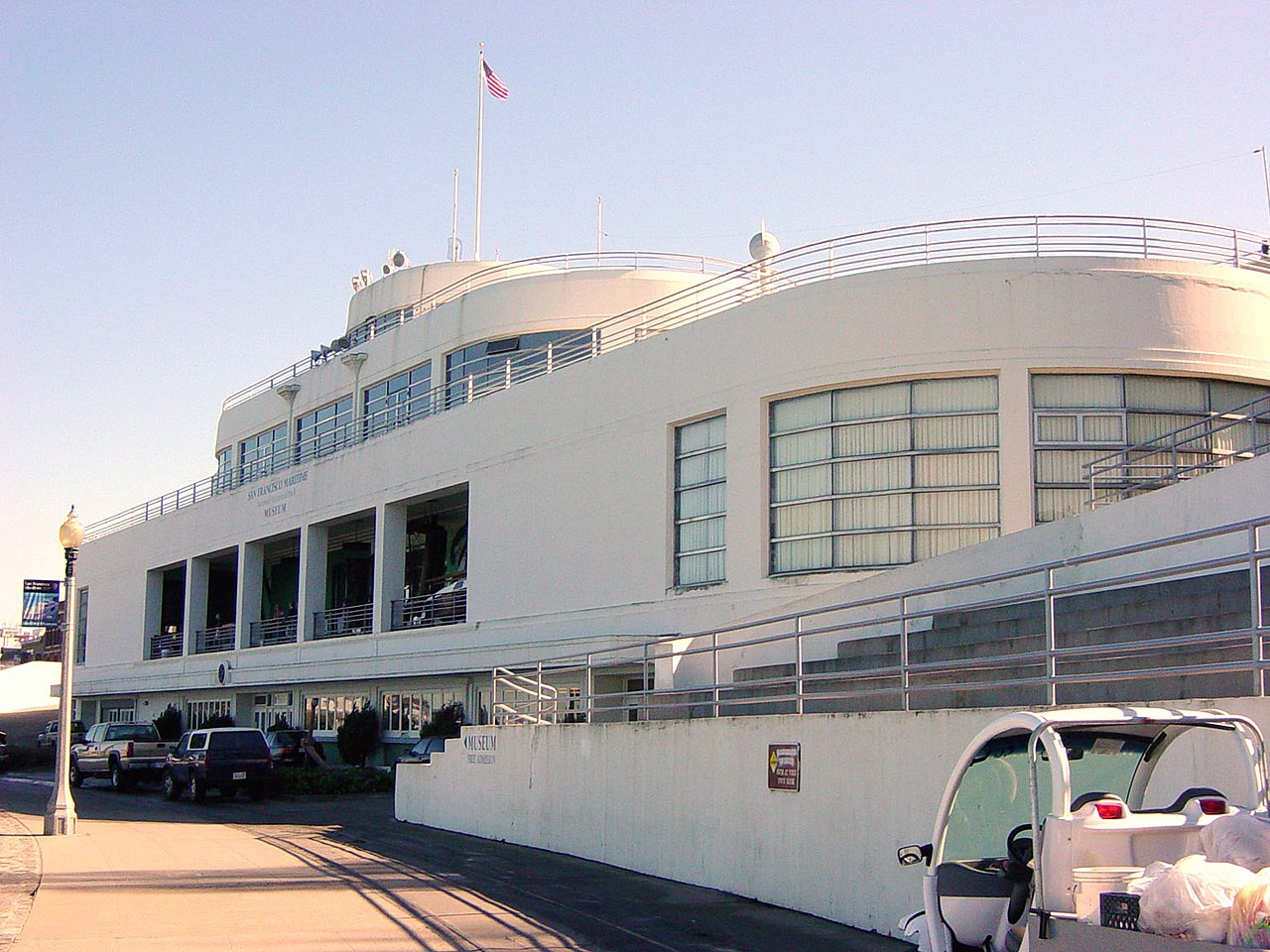
Streamline Moderne, a late development of Art Deco, emerged in the 1930s, embracing sleek, aerodynamic forms inspired by speed and efficiency. Characterized…
Contents
Overview
Streamline Moderne is the late-stage, aerodynamic offspring of Art Deco architecture and design, flourishing primarily in the 1930s and 1940s. Unlike its more ornate predecessor, Streamline Moderne strips away excessive ornamentation in favor of smooth, flowing lines and a sense of forward motion. It’s the visual equivalent of a whisper rather than a shout, conveying modernity and efficiency through its very form. This style is less about opulent decoration and more about the inherent beauty of curves and horizontal emphasis, making it instantly recognizable and deeply evocative of a specific era's optimism.
🕰️ Origins and Evolution
Emerging from the economic realities of the Great Depression, Streamline Moderne offered a more accessible and forward-looking aesthetic than the earlier, lavish Art Deco styles. Designers and architects drew inspiration from aerodynamic principles, observing the sleek forms of airplanes, trains, and ships. This shift wasn't just stylistic; it represented a desire for progress and escape during challenging times. Key figures like Norman Bel Geddes and Raymond Loewy championed this new direction, translating industrial efficiency into everyday objects and buildings. The style reached its zenith in the late 1930s before being largely superseded by post-war modernism.
✈️ Key Design Principles
The hallmark of Streamline Moderne lies in its deliberate embrace of aerodynamic principles. Expect to see pronounced horizontal lines, often achieved through continuous window bands or banding details, creating a sense of speed and length. Curved corners, rounded forms, and cantilevered elements are prevalent, softening architectural edges and suggesting fluid movement. Nautical motifs, such as porthole windows and railings, frequently appear, reinforcing the theme of travel and escape. Materials like stucco, glass block, and polished metal are common, contributing to the style's smooth, clean aesthetic.
🏠 Notable Architectural Examples
Iconic architectural examples of Streamline Moderne are scattered globally, often serving as transportation hubs or public buildings. The Pan-Pacific Auditorium in Los Angeles (sadly lost to fire in 1989) was a prime example with its dramatic, curved facade. The Miami Beach Art Deco Historic District features numerous Streamline Moderne structures, characterized by their pastel colors and rounded corners. In the UK, the Daily Express Building in Manchester showcases the style's influence on commercial architecture with its distinctive black glass and curved corners. These buildings embody the era's aspiration for a sleek, modern future.
🚗 Industrial Design's Sleek Future
Streamline Moderne’s influence extended far beyond architecture, profoundly shaping industrial design. From streamlined locomotives like the Burlington Zephyr to everyday objects like toasters, radios, and vacuum cleaners, the style communicated efficiency and advanced technology. Designers aimed to make products appear faster, sleeker, and more modern, even if the underlying function didn't require such forms. This aesthetic permeated consumer culture, making the future feel tangible and accessible through the objects people used daily. The impact on product design is undeniable, setting a precedent for how form could communicate function and aspiration.
💡 The Vibe Score: Cultural Energy
Streamline Moderne scores a solid 78/100 on the Vibepedia cultural energy scale. This score reflects its enduring appeal as a symbol of optimistic futurism and elegant design. It resonates with a strong sense of nostalgia for the mid-20th century's vision of progress, while its clean lines and aerodynamic forms continue to influence contemporary design. The style's association with speed, travel, and technological advancement gives it a persistent cool factor. However, its Vibe Score is tempered by its historical specificity, preventing it from reaching the universal ubiquity of some other design movements.
🤔 Controversy and Critiques
Despite its widespread appeal, Streamline Moderne isn't without its critics. Some argue that its emphasis on form over function, particularly in industrial design, led to unnecessary complexity or even misleading aesthetics. The style's association with a bygone era can also lead to it being perceived as dated rather than timeless. Furthermore, the Moderate debate exists regarding its distinction from late Art Deco, with some scholars viewing it as a distinct evolution and others as merely a stylistic variation. The economic context of its creation also raises questions about its aspirational nature during a period of widespread hardship.
🚀 Where to Experience Streamline Moderne Today
Experiencing Streamline Moderne firsthand is the best way to appreciate its impact. Many cities with significant Art Deco heritage districts, such as Miami Beach, Florida, Tulsa, Oklahoma, and Hawthorne, California, offer walking tours or self-guided explorations of surviving buildings. Museums like the Victoria and Albert Museum in London often feature industrial design pieces from the era in their permanent collections. Look for vintage diners, movie theaters, and former transportation terminals – these often retain the style's signature curves and horizontal emphasis, offering a tangible connection to the past.
Key Facts
- Year
- 1930
- Origin
- United States
- Category
- Architecture & Design
- Type
- Style
Frequently Asked Questions
What's the main difference between Art Deco and Streamline Moderne?
The primary distinction lies in ornamentation and form. Art Deco, especially earlier examples, features geometric patterns, rich materials, and often vertical emphasis. Streamline Moderne, emerging later, prioritizes smooth, curving forms, horizontal lines, and aerodynamic shapes, stripping away excessive decoration for a sleeker, more modern look inspired by speed and motion.
When was Streamline Moderne most popular?
Streamline Moderne reached its peak popularity during the 1930s and early 1940s. It emerged as a distinct style from the earlier Art Deco movement and was widely adopted in architecture and industrial design before World War II significantly shifted design priorities.
Can you give examples of Streamline Moderne in everyday objects?
Absolutely. Think of classic designs like the Whirlpool washing machine from the late 1930s, the Bulova Accutron watch designs, or even the iconic Coca-Cola bottle shape. Many radios, telephones, and kitchen appliances from the era exhibit these flowing, curved lines and horizontal emphasis.
Is Streamline Moderne still relevant today?
Yes, its influence persists. Contemporary designers often draw inspiration from Streamline Moderne's emphasis on clean lines, aerodynamic forms, and a sense of motion. While not a dominant style, its aesthetic principles can be seen in modern product design, automotive styling, and even interior decor, often reinterpreted with new materials and technologies.
Where can I see the best examples of Streamline Moderne architecture?
Major hubs include Miami Beach, Florida, particularly its Art Deco Historic District, and Los Angeles, California, which has numerous surviving examples, though some iconic ones like the Pan-Pacific Auditorium are gone. Cities like Detroit, Michigan and Chicago, Illinois also boast notable structures.