Oktoberfest | Vibepedia
Oktoberfest is not a beer festival; it is a 214-year-old exercise in Bavarian soft power and logistical perfection. Since the 1810 wedding of Crown Prince…
Contents
Overview
Oktoberfest is not a beer festival; it is a 214-year-old exercise in Bavarian soft power and logistical perfection. Since the 1810 wedding of Crown Prince Ludwig and Princess Therese, the festival has evolved from a royal horse race into a 16-to-18-day siege of the Theresienwiese, attracting over 6 million visitors annually. The event is governed by the Reinheitsgebot (Beer Purity Law) of 1516, mandating that only the 'Big Six' Munich breweries—Augustiner, Hacker-Pschorr, Hofbräu, Löwenbräu, Paulaner, and Spaten—may pour their specific 6% ABV Märzen or Festbier. Beyond the 13.50€ liters and the 500,000 roast chickens, the festival functions as a high-stakes social hierarchy where table reservations in tents like Schottenhamel or Käfer are traded like commodities. It is a friction point between local tradition (Tracht) and global tourism, maintaining a rigid 100-decibel daytime noise limit to preserve its 'Oide Wiesn' soul against the encroachment of a generic party atmosphere.
🍻 What is Oktoberfest?
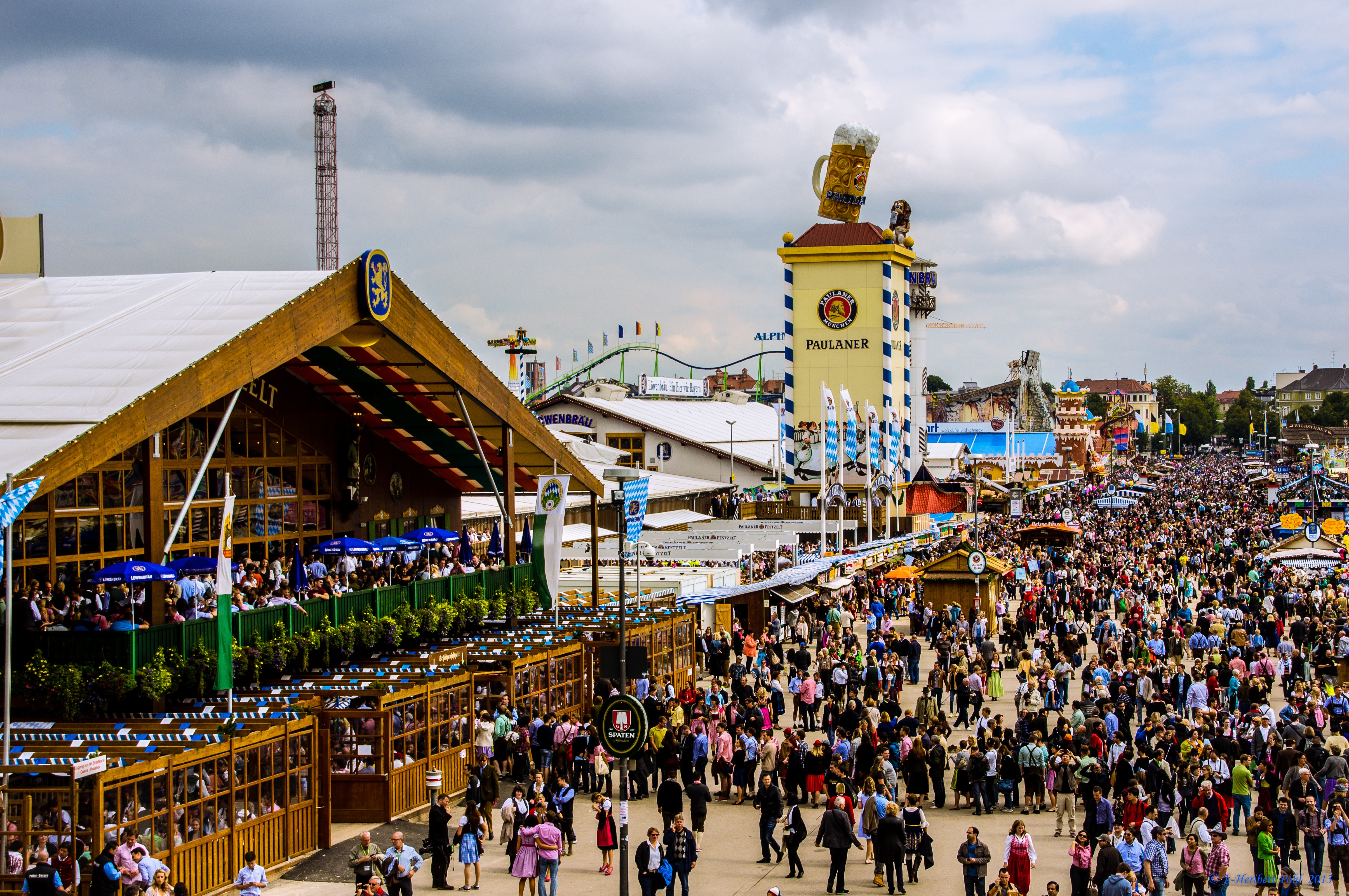
Oktoberfest, at its heart, is the planet's premier people's festival, a colossal celebration of Bavarian culture that transcends its beer-centric reputation. While beer is undeniably a central pillar, it's a vibrant fusion of a traditional beer festival, a sprawling funfair, and a massive communal gathering. Held on the Theresienwiese in Munich, it draws an estimated six million visitors annually, making it a truly global phenomenon. It’s not just a party; it’s a meticulously orchestrated cultural rite, a chance for locals and international guests alike to immerse themselves in a specific brand of German revelry. The sheer scale of the event is staggering, a testament to its enduring appeal and its status as a must-attend annual event.
📍 Location & Access
The undisputed epicenter of Oktoberfest is the Theresienwiese (often shortened to 'Wiesn'), a vast public exhibition space located in the Ludwigsvorstadt-Isarvorstadt district of Munich, Germany. Accessing the Wiesn is straightforward; it’s a short walk from several U-Bahn (subway) and S-Bahn (urban rail) stations, including Theresienwiese (U4/U5) and Hauptbahnhof (central station). For those arriving by air, Munich Airport (MUC) is well-connected to the city center via S-Bahn lines S1 and S8. Once you're in Munich, public transport is your best bet to navigate to the festival grounds. Be prepared for significant crowds, especially during peak times and weekends, which are part of the authentic Oktoberfest experience.
🗓️ Dates & Hours
Oktoberfest officially kicks off on the third Saturday in September and concludes on the first Sunday in October. The festival typically runs from 10:00 AM to 11:30 PM on weekdays and Saturdays, with beer tents often closing around 10:30 PM. Sundays and the final day of the festival have slightly shorter hours, usually starting around 10:00 AM and wrapping up by 11:30 PM. It’s crucial to note that while the official dates are fixed, the exact number of days can vary slightly year to year to ensure the festival ends on that first Sunday in October. Planning your visit around these hours is key to maximizing your enjoyment and avoiding disappointment, especially if you want to experience the full Bavarian cultural immersion.
💰 Pricing & Plans
Entry to the Theresienwiese itself is free, which is a significant draw for many. However, the costs quickly add up once you're inside. The primary expenses will be food, drinks, and fairground rides. A liter of beer (a Maß) typically costs between €12.50 and €13.50, a price that fluctuates slightly each year. Food items like a roasted chicken (Hendl) can range from €10 to €15, while smaller snacks are more affordable. Rides vary widely, from a few Euros for simpler attractions to €10 or more for the most elaborate roller coasters. Budgeting around €50-€100 per person per day is a reasonable starting point, depending on your consumption and participation in the fairground attractions.
🍻 The Beer Experience
The beer at Oktoberfest is a serious affair, exclusively featuring brews from Munich's six largest breweries: Augustiner, Hacker-Pschorr, Hofbräu, Löwenbräu, Paulaner, and Spaten. These breweries produce special Oktoberfestbier, a Märzen-style lager that is typically amber in color, malty, and slightly stronger than standard lagers, often around 6% ABV. Each tent is sponsored by one of these breweries, serving only their specific brew. You'll be drinking from a traditional one-liter stein, known as a 'Maß'. It's customary to toast with fellow patrons using 'Prost!' before taking a sip. Remember, responsible drinking is key to enjoying the full Oktoberfest vibe.
🎡 The Fairground Thrills
Beyond the beer tents, Oktoberfest is a world-class funfair, boasting over 200 attractions. Thrill-seekers can find everything from classic roller coasters and Ferris wheels offering panoramic views of the Wiesn to more traditional carousels and haunted houses. For families, there are numerous gentler rides and games. The sheer variety ensures there's something to entertain every age group and thrill tolerance. Don't miss iconic rides like the 'Teufelsrad' (Devil's Wheel) or the 'Schlittenfahrt' (Sled Ride) for a truly unique fairground experience. The energy of the fairground is infectious, complementing the festive atmosphere of the beer tents.
🎶 Music & Entertainment
Music is the lifeblood of the Oktoberfest beer tents, providing the soundtrack to the revelry. Each tent features a live band, typically playing traditional Bavarian brass music (Blasmusik) interspersed with popular hits and sing-alongs. Bands like 'Die Kirchdorfer' or 'Die happySound' are well-known fixtures. The music starts relatively mellow but builds in intensity throughout the day, encouraging dancing on benches and communal singing. It’s this blend of traditional oompah and modern crowd-pleasers that creates the unique, high-energy Oktoberfest atmosphere.
🍽️ Food & Drink Beyond Beer
While beer is the star, Oktoberfest offers a hearty array of traditional Bavarian cuisine. Must-try dishes include 'Hendl' (roasted half-chicken), 'Schweinshaxe' (pork knuckle), 'Bratwurst' (sausage), 'Käsespätzle' (cheese noodles), and 'Brezn' (pretzels). For those with a sweet tooth, 'Apfelstrudel' (apple strudel) and 'Schmalznudeln' (sweet fried dough) are popular choices. Many food stalls and tent kitchens offer these specialties, providing sustenance for a long day of celebrating. Pairing these rich dishes with a Maß of Oktoberfestbier is a quintessential culinary experience.
👗 Traditional Attire
Embracing traditional attire is highly encouraged and adds immensely to the festive spirit. For men, the traditional outfit is 'Lederhosen' – leather breeches, often worn with a checkered shirt and suspenders. For women, it's the 'Dirndl', a dress consisting of a bodice, skirt, and apron. The way a Dirndl's bow is tied can signify marital status (left for single, right for taken, front for virgin, back for widowed/waitress), though this is more of a playful tradition than a strict rule. Wearing these outfits not only makes you feel part of the celebration but also often earns you smiles and camaraderie from locals. It’s a key element of the Oktoberfest fashion.
🤔 What People Say
Visitors consistently praise the unparalleled atmosphere and the sheer scale of the event, often describing it as a once-in-a-lifetime experience. Many highlight the camaraderie, the delicious food, and the unique blend of tradition and funfair excitement. However, some find the crowds overwhelming, and the cost of beer and food can be a deterrent. The sheer volume of people means long waits for tents, especially on weekends, and navigating the grounds can be challenging. Despite these points, the overwhelming sentiment is one of joyous immersion in a unique cultural phenomenon, a true cultural highlight.
🚀 Getting Started
Ready to experience the world's largest beer festival? The first step is to plan your travel dates, keeping the September-October window in mind. Research accommodation options in Munich and book as early as possible. Familiarize yourself with the Munich public transport system to easily reach the Theresienwiese. Decide if you want to aim for specific tents or simply wander and soak in the atmosphere. For a more structured experience, look into guided tours that might include reservations or skip-the-line access. Prepare for a sensory overload of sights, sounds, and tastes – Oktoberfest awaits! Visit the official Oktoberfest website for the most up-to-date information and planning resources.
Key Facts
- Year
- 1810
- Origin
- Munich, Bavaria
- Category
- Cultural Institutions & Seasonal Rites
- Type
- Macro-Systemic Cultural Event
Frequently Asked Questions
Is Oktoberfest only about drinking beer?
While beer is a central attraction, Oktoberfest is much more than just a beer festival. It's a comprehensive cultural event featuring a massive funfair with numerous rides and games, traditional Bavarian music, and a wide array of delicious food. The atmosphere is a vibrant mix of communal celebration, traditional rites, and pure entertainment, making it appealing even to those who don't drink alcohol. The focus is on experiencing Bavarian culture in its most exuberant form.
Do I need to book tickets in advance?
Entry to the Theresienwiese grounds is free, so no tickets are required for general admission. However, if you wish to guarantee a seat in one of the popular beer tents, especially for larger groups or during peak times (evenings, weekends), making a reservation is highly recommended. Reservations often come with a minimum consumption requirement. Without a reservation, you might have to queue for a long time to get into a tent, or you might find them already full.
What is the best time to visit Oktoberfest?
For a more relaxed experience with fewer crowds, consider visiting on a weekday, particularly Tuesday, Wednesday, or Thursday, and aim for earlier in the day. Weekends and evenings are the busiest periods. The first week of the festival is generally less crowded than the final weekend. However, the peak atmosphere and energy are often found during these busier times, so it depends on your preference for intensity versus space.
How much money should I budget for Oktoberfest?
A reasonable daily budget for one person can range from €70 to €150, depending on your spending habits. This typically covers one liter of beer (€12.50-€13.50), a main meal (e.g., roasted chicken for €10-€15), some snacks, and perhaps a few fairground rides. If you plan on drinking more beer or going on multiple rides, you should budget accordingly. Entry to the grounds is free, but the costs within add up quickly.
Can children attend Oktoberfest?
Yes, Oktoberfest is a family-friendly event, especially during the day. Many of the fairground rides are suitable for children, and there are specific family days with reduced prices. While the beer tents are lively and can be loud, children are generally welcome until a certain hour (often around 8 PM), after which they may not be permitted. The Theresienwiese offers a wide range of attractions that appeal to all ages.
What are the traditional outfits called and where can I buy them?
The traditional men's outfit is called Lederhosen, and the women's is called a Dirndl. These can be purchased in Munich in specialty shops, department stores, and even some souvenir shops leading up to and during the festival. You can also find them online from various retailers. While not mandatory, wearing these outfits significantly enhances the festive experience and is widely embraced by attendees.