Vibepedia

Nanotechnology | Vibepedia

CERTIFIED VIBE DEEP LORE ICONIC
Nanotechnology | Vibepedia

Nanotechnology is the manipulation of matter with at least one dimension sized from 1 to 100 nanometers (nm), where surface area and quantum mechanical…

Contents

  1. 🎵 Origins & History
  2. ⚙️ How It Works
  3. 📊 Key Facts & Numbers
  4. 👥 Key People & Organizations
  5. 🌍 Cultural Impact & Influence
  6. ⚡ Current State & Latest Developments
  7. 🤔 Controversies & Debates
  8. 🔮 Future Outlook & Predictions
  9. 💡 Practical Applications
  10. 📚 Related Topics & Deeper Reading
  11. Frequently Asked Questions
  12. References
  13. Related Topics

Overview

Nanotechnology is the manipulation of matter with at least one dimension sized from 1 to 100 nanometers (nm), where surface area and quantum mechanical effects become important in describing properties of matter. This field includes research and technologies that deal with these special properties, such as surface science, organic chemistry, molecular biology, semiconductor physics, energy storage, engineering, microfabrication, and molecular engineering. With a history dating back to the 1960s, nanotechnology has evolved to include various subfields, including molecular nanotechnology, nanoscale technologies, and nanoelectronics. Today, nanotechnology has numerous applications in fields like medicine, electronics, and energy, with companies like IBM, Intel, and Google investing heavily in research and development. As of 2022, the global nanotechnology market is projected to reach $125 billion by 2025, with a growth rate of 17.1% per annum. With its vast potential, nanotechnology is poised to revolutionize various industries and improve our daily lives, as seen in the work of researchers like Richard Feynman and Eric Drexler.

🎵 Origins & History

Nanotechnology has its roots in the 1960s, when scientists like Richard Feynman and Norio Taniguchi began exploring the concept of manipulating matter at the nanoscale. The term 'nanotechnology' was first coined in 1974 by Taniguchi, and since then, the field has evolved rapidly, with the establishment of research institutions like the National Nanotechnology Initiative in 2000. Today, nanotechnology is a multidisciplinary field that involves the collaboration of scientists and engineers from various backgrounds, including physics, chemistry, biology, and engineering, as seen in the work of researchers at Stanford University and MIT.

⚙️ How It Works

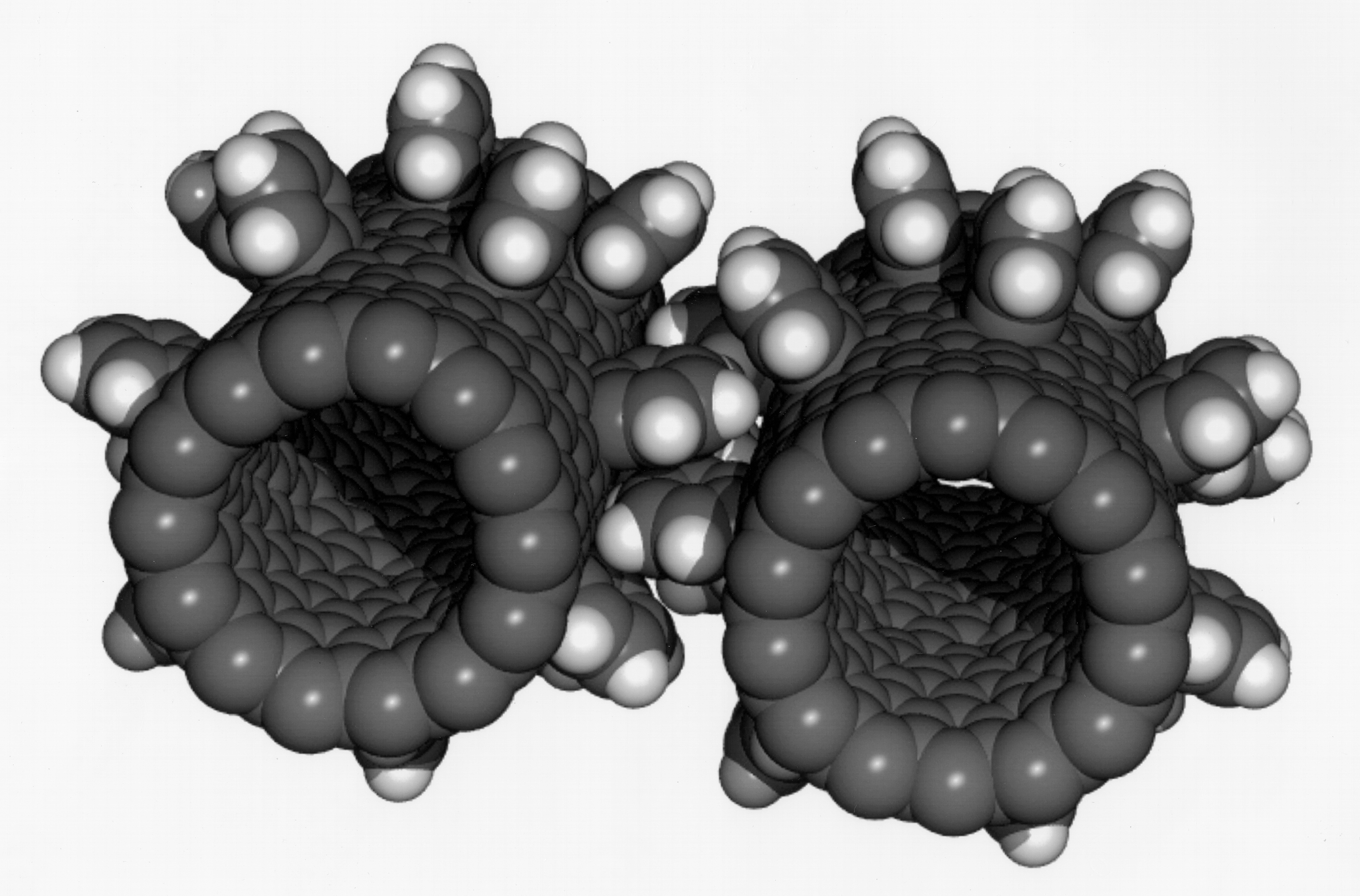
Nanotechnology works by manipulating matter at the nanoscale, where the laws of physics are different from those at the macroscale. At this scale, surface area and quantum mechanical effects become important in describing properties of matter, as explained in the research of Stephen Hawking and K. Eric Drexler. This allows for the creation of materials and devices with unique properties, such as graphene, which is 200 times stronger than steel and has a wide range of applications in fields like electronics and energy. Companies like Lockheed Martin and Boeing are already using nanotechnology to develop advanced materials and systems.

📊 Key Facts & Numbers

Some key facts and numbers about nanotechnology include the fact that the global nanotechnology market is projected to reach $125 billion by 2025, with a growth rate of 17.1% per annum, as reported by MarketsandMarkets. The market is driven by the increasing demand for nanotechnology-based products in fields like medicine, electronics, and energy, with companies like Johnson & Johnson and Philips investing heavily in research and development. Additionally, nanotechnology has numerous applications in fields like medicine, where it is used to develop targeted drug delivery systems and diagnostic tools, as seen in the work of researchers at Harvard University and University of California, Berkeley.

👥 Key People & Organizations

Some key people and organizations involved in nanotechnology include researchers like Richard Feynman and Eric Drexler, who are considered pioneers in the field. Other notable researchers include Stephen Hawking and K. Eric Drexler, who have made significant contributions to our understanding of nanotechnology. Organizations like the National Nanotechnology Initiative and the National Science Foundation provide funding and support for nanotechnology research, as do companies like Google and Microsoft.

🌍 Cultural Impact & Influence

Nanotechnology has had a significant cultural impact and influence, with numerous applications in fields like medicine, electronics, and energy. It has also raised concerns about the potential risks and benefits of nanotechnology, as discussed in the work of Bill Joy and Ray Kurzweil. The field has also inspired numerous works of science fiction, including the novel 'Prey' by Michael Crichton, which explores the potential dangers of nanotechnology. As seen in the media coverage by BBC and CNBC, nanotechnology is becoming increasingly important in our daily lives.

⚡ Current State & Latest Developments

The current state of nanotechnology is one of rapid growth and development, with numerous applications in fields like medicine, electronics, and energy. Researchers are working on developing new materials and devices with unique properties, such as graphene and nanotubes, as seen in the research of Rice University and University of Texas at Austin. Companies like IBM and Intel are investing heavily in nanotechnology research and development, and the field is expected to continue to grow and evolve in the coming years, with the support of organizations like National Institutes of Health and Department of Energy.

🤔 Controversies & Debates

Despite the numerous benefits of nanotechnology, there are also controversies and debates surrounding the field. Some of the concerns include the potential risks and benefits of nanotechnology, as well as the need for regulation and oversight, as discussed in the work of European Commission and US Congress. There are also concerns about the potential impact of nanotechnology on the environment and human health, as seen in the research of World Health Organization and Environmental Protection Agency.

🔮 Future Outlook & Predictions

The future outlook for nanotechnology is one of continued growth and development, with numerous applications in fields like medicine, electronics, and energy. Researchers are working on developing new materials and devices with unique properties, and the field is expected to continue to evolve and improve our daily lives, as seen in the predictions of Forrester and Gartner. Some of the potential future applications of nanotechnology include the development of nanoscale robots and machines, as well as the creation of new materials and devices with unique properties, as envisioned by researchers at California Institute of Technology and Carnegie Mellon University.

💡 Practical Applications

Nanotechnology has numerous practical applications in fields like medicine, electronics, and energy. Some examples include the use of nanotechnology to develop targeted drug delivery systems and diagnostic tools, as seen in the work of researchers at Johns Hopkins University and University of Pennsylvania. Nanotechnology is also used to develop advanced materials and devices, such as graphene and nanotubes, which have a wide range of applications in fields like electronics and energy, as reported by Bloomberg and Reuters.

Key Facts

Year
1960s
Origin
United States
Category
science
Type
concept

Frequently Asked Questions

What is nanotechnology?

Nanotechnology is the manipulation of matter at the nanoscale, where surface area and quantum mechanical effects become important in describing properties of matter. This field includes research and technologies that deal with these special properties, as seen in the work of researchers at Stanford University and MIT.

What are the applications of nanotechnology?

Nanotechnology has numerous applications in fields like medicine, electronics, and energy. Some examples include the use of nanotechnology to develop targeted drug delivery systems and diagnostic tools, as seen in the work of researchers at Johns Hopkins University and University of Pennsylvania.

What are the potential risks and benefits of nanotechnology?

Nanotechnology has raised concerns about the potential risks and benefits, including the need for regulation and oversight, as discussed in the work of European Commission and US Congress. There are also concerns about the potential impact of nanotechnology on the environment and human health, as seen in the research of World Health Organization and Environmental Protection Agency.

Who are some key people involved in nanotechnology?

Some key people involved in nanotechnology include researchers like Richard Feynman and Eric Drexler, who are considered pioneers in the field. Other notable researchers include Stephen Hawking and K. Eric Drexler, who have made significant contributions to our understanding of nanotechnology, as seen in the research of California Institute of Technology and Carnegie Mellon University.

What is the current state of nanotechnology?

The current state of nanotechnology is one of rapid growth and development, with numerous applications in fields like medicine, electronics, and energy. Researchers are working on developing new materials and devices with unique properties, such as graphene and nanotubes, as seen in the research of Rice University and University of Texas at Austin.

What is the future outlook for nanotechnology?

The future outlook for nanotechnology is one of continued growth and development, with numerous applications in fields like medicine, electronics, and energy. Researchers are working on developing new materials and devices with unique properties, and the field is expected to continue to evolve and improve our daily lives, as seen in the predictions of Forrester and Gartner.

What are some related topics and deeper reading?

Related topics and deeper reading include the fields of surface science, organic chemistry, molecular biology, semiconductor physics, energy storage, engineering, microfabrication, and molecular engineering. Some recommended reading includes the work of Richard Feynman and Eric Drexler, as well as the research of Stephen Hawking and K. Eric Drexler.

References

  1. upload.wikimedia.org — /wikipedia/commons/b/b6/Fullerene_Nanogears_-_GPN-2000-001535.jpg