The Mughal Empire: A Dynasty of Grandeur and Conflict
The Mughal Empire, established in 1526 by Babur, was a dominant force in the Indian subcontinent for over three centuries. Renowned for its architectural…
Contents
- 📜 What is the Mughal Empire?
- 📍 Geographic Scope & Timeline
- 👑 Key Rulers & Their Legacies
- 🏛️ Architectural Marvels & Artistic Flourish
- ⚔️ Military Might & Imperial Expansion
- ⚖️ Administration & Economic Power
- 💥 Seeds of Decline & Eventual Fall
- 💡 Enduring Influence & Cultural Resonance
- Frequently Asked Questions
- Related Topics
Overview
The Mughal Empire, established in 1526 by Babur, was a dominant force in the Indian subcontinent for over three centuries. Renowned for its architectural marvels like the Taj Mahal, its sophisticated administration, and its patronage of arts and culture, the empire reached its zenith under rulers like Akbar, Jahangir, and Shah Jahan. However, internal strife, religious tensions, and the rise of regional powers, particularly the Marathas and Sikhs, gradually weakened its foundations. The empire's eventual decline, exacerbated by the ambitious but controversial reign of Aurangzeb and the subsequent arrival of European colonial powers, culminated in its formal dissolution by the British in 1857. Understanding the Mughals is crucial to grasping the complex socio-political and cultural legacy of modern South Asia.
📜 What is the Mughal Empire?
The Mughal Empire was a colossal early modern state that dominated the Indian subcontinent for over three centuries, from its founding in 1526 to its effective end in 1857. It wasn't just a political entity; it was a vibrant crucible of Persianate and Indian cultures, leaving an indelible mark on art, architecture, governance, and cuisine. For anyone interested in the grand sweep of South Asian history, understanding the Mughals is non-negotiable, offering a lens into a period of immense wealth, sophisticated administration, and profound cultural synthesis. Its legacy continues to shape the region's identity, making it a crucial subject for historians and cultural enthusiasts alike.
📍 Geographic Scope & Timeline
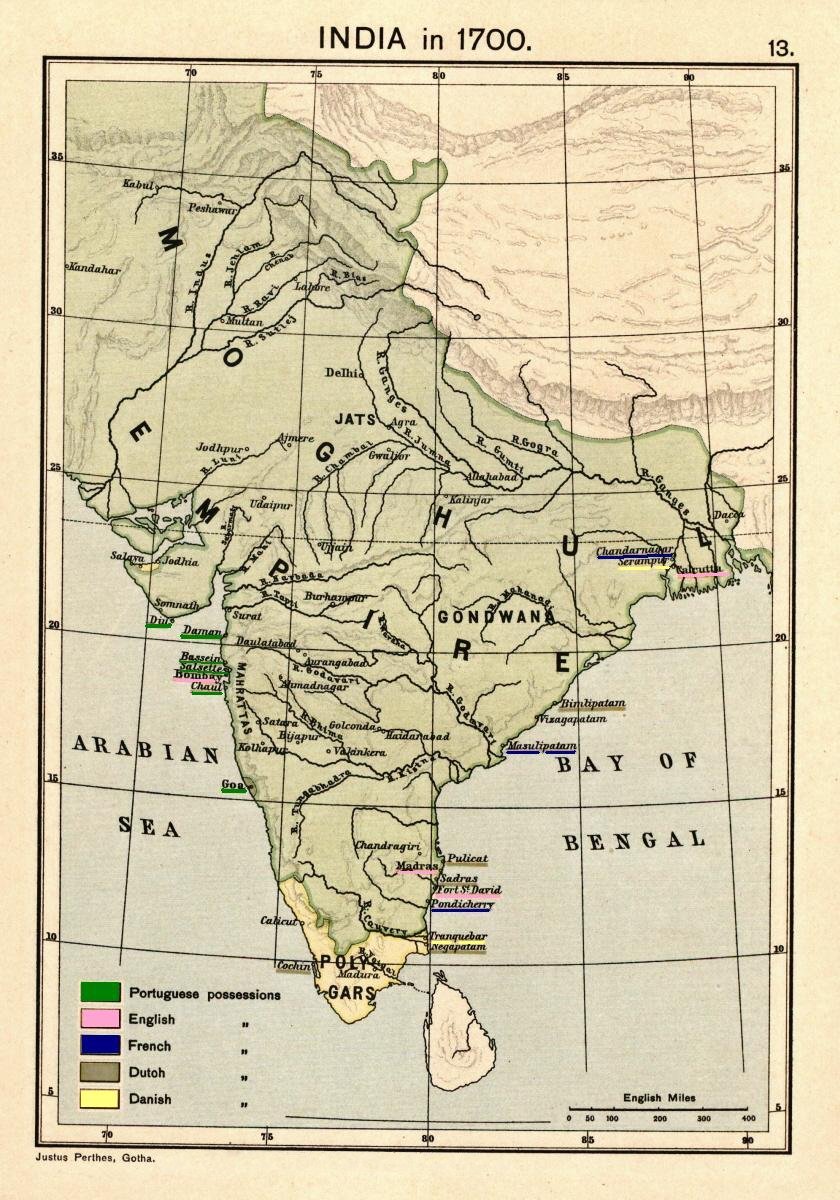
Spanning from the Indus River Basin and northern Afghanistan in the west to Assam and Bangladesh in the east, and reaching the Deccan Plateau in the south, the Mughal Empire at its zenith was a vast dominion. Its existence is typically bracketed between 1526, when Babur defeated the Sultan of Delhi at the First Battle of Panipat, and 1857, when the British East India Company formally deposed the last emperor, Bahadur Shah Zafar, following the Indian Rebellion. This extensive territorial control facilitated a remarkable exchange of ideas and goods across diverse regions, fostering a unique imperial identity.
👑 Key Rulers & Their Legacies
The dynasty's success was intrinsically linked to its rulers. Babur, the founder, brought Persianate culture and military tactics from Central Asia. His grandson, Akbar the Great, is celebrated for his administrative reforms, religious tolerance (including the abolition of the jizya tax on non-Muslims), and patronage of the arts. Shah Jahan is synonymous with architectural grandeur, most famously the Taj Mahal, while Aurangzeb expanded the empire to its greatest territorial extent but also pursued more orthodox Islamic policies that contributed to internal dissent. Each ruler left a distinct imprint, shaping the empire's trajectory through their policies and personal philosophies.
🏛️ Architectural Marvels & Artistic Flourish
The Mughal era witnessed an unparalleled explosion of artistic and architectural achievement, a fusion of Persian, Turkic, and Indian styles. Beyond the iconic Taj Mahal, magnificent forts like the Red Fort in Delhi and the Agra Fort stand as testaments to their engineering prowess and aesthetic sensibilities. Miniature painting flourished under imperial patronage, depicting court life, historical events, and natural scenes with exquisite detail. This artistic output wasn't merely decorative; it served as a powerful tool for imperial propaganda and cultural expression, showcasing the dynasty's wealth and sophistication.
⚔️ Military Might & Imperial Expansion
The foundation of the Mughal Empire was laid through military conquest, and its expansion was sustained by a formidable military machine. Employing advanced artillery and cavalry tactics, rulers like Babur and Akbar the Great systematically subdued regional powers. The empire's military organization, including the mansabdari system which integrated military and civil administration, allowed for effective control over vast territories and the projection of power. However, constant warfare, particularly in the Deccan under Aurangzeb, also drained imperial resources and fueled resistance movements.
⚖️ Administration & Economic Power
The Mughals established a sophisticated administrative system that was crucial for governing their vast and diverse empire. The mansabdari system organized the nobility and military ranks, ensuring loyalty and efficient resource allocation. Land revenue was a primary source of income, managed through systems like the Zabt system, which aimed for standardized assessment. Trade flourished, facilitated by a relatively stable political environment and the development of infrastructure, making cities like Agra and Lahore major economic hubs. This administrative acumen was key to the empire's longevity and prosperity.
💥 Seeds of Decline & Eventual Fall
Despite its grandeur, the Mughal Empire contained the seeds of its own eventual dissolution. Factors contributing to its decline include the costly and protracted Deccan campaigns under Aurangzeb, which strained the treasury and alienated large populations. Succession struggles within the ruling family were endemic, weakening central authority. The rise of powerful regional states like the Maratha Empire and the increasing encroachment of European trading companies, particularly the British East India Company, further eroded Mughal power. By the mid-18th century, the empire was largely a shadow of its former self, fragmented and dependent on external forces.
💡 Enduring Influence & Cultural Resonance
The Mughal Empire's influence extends far beyond its political lifespan. Its architectural legacy continues to draw millions of tourists and inspires contemporary design. The syncretic culture it fostered, a blend of Persian, Turkic, and Indian traditions, is evident in modern South Asian languages, music, and cuisine. The administrative and legal frameworks it developed, though modified, laid groundwork for subsequent governance. Even the concept of a unified, multi-ethnic empire in South Asia owes much to the Mughal precedent, making its study essential for understanding the region's complex historical and cultural evolution.
Key Facts
- Year
- 1526-1857
- Origin
- Central Asia
- Category
- History
- Type
- Historical Empire
Frequently Asked Questions
When did the Mughal Empire officially end?
The Mughal Empire's effective end is marked by the deposition of its last emperor, Bahadur Shah Zafar, by the British East India Company in 1857, following the Indian Rebellion. While titular rulers continued for a short period, their power was entirely extinguished, and the British formally took over direct administration of India.
What was the most significant contribution of the Mughal Empire?
This is a point of considerable debate among historians, but many would point to the empire's profound impact on Indo-Persian culture, evident in its art, architecture (like the Taj Mahal), literature, and administrative systems. The synthesis of Persianate and Indian traditions created a unique cultural efflorescence that continues to define much of South Asian identity.
Was the Mughal Empire religiously tolerant?
The degree of religious tolerance varied significantly among rulers. Akbar the Great is renowned for his policy of Sulh-i-Kul (universal peace), promoting religious harmony and abolishing discriminatory taxes like the jizya. However, rulers like Aurangzeb pursued more orthodox Islamic policies, which led to increased tensions with non-Muslim populations and contributed to internal dissent.
What was the role of the Taj Mahal in the Mughal Empire?
The Taj Mahal, commissioned by Shah Jahan as a mausoleum for his wife Mumtaz Mahal, is the most iconic symbol of Mughal architectural achievement. It represents the zenith of Mughal artistic and engineering capabilities, showcasing a fusion of Persian, Ottoman Turkish, Indian, and earlier Mughal styles. Beyond its aesthetic beauty, it served as a powerful statement of imperial grandeur and the emperor's devotion.
How did the Mughal Empire interact with European powers?
Initially, European powers, primarily the British East India Company, arrived as traders seeking access to Indian goods like spices and textiles. Over time, they gradually increased their political and military influence, exploiting internal Mughal weaknesses and rivalries. By the 18th century, European powers, especially the British, had become dominant players, eventually leading to the dismantling of the empire.
What is the 'mansabdari system'?
The mansabdari system was a unique administrative and military structure introduced by Akbar the Great. It organized the imperial hierarchy by granting ranks (mansabs) to officials, which determined their salary and the number of troops they were required to maintain. This system integrated civil and military administration, ensuring loyalty and providing a framework for governing the vast empire.