Vibepedia

Iran Nuclear Deal: JCPOA's Tumultuous Legacy | Vibepedia

High Stakes Diplomacy Sanctions Warfare Non-Proliferation Crossroads
Iran Nuclear Deal: JCPOA's Tumultuous Legacy | Vibepedia

The Iran Nuclear Deal, formally known as the Joint Comprehensive Plan of Action (JCPOA), was a landmark agreement reached in Vienna on July 14, 2015, between…

Contents

  1. 📜 What is the JCPOA, Anyway?
  2. ⏳ A Brief History: From Promise to Peril
  3. 💥 The Deal's Core Mechanics: How It Worked
  4. 📈 The Vibe Score: A Rollercoaster of Hope and Distrust
  5. ⚖️ Who Was Involved? The Key Players
  6. 💸 Sanctions Relief: The Economic Engine
  7. 🔍 Verification and Enforcement: The Watchdogs
  8. 💔 The Unraveling: When the Deal Broke
  9. 🤔 The Aftermath: A World Divided
  10. 🚀 What's Next? The Future of Iran's Nuclear Ambitions
  11. Frequently Asked Questions
  12. Related Topics

Overview

The Iran Nuclear Deal, formally known as the Joint Comprehensive Plan of Action (JCPOA), was a landmark agreement reached in Vienna on July 14, 2015, between Iran and the P5+1 (China, France, Germany, Russia, the United Kingdom, and the United States), plus the European Union. Its core objective was to prevent Iran from developing nuclear weapons in exchange for sanctions relief, establishing a rigorous verification regime by the International Atomic Energy Agency (IAEA). The deal capped Iran's uranium enrichment levels, reduced its centrifuge count, and limited its enriched uranium stockpile, pushing its 'breakout time' – the period needed to produce enough fissile material for a bomb – from a few months to over a year. However, the agreement's fate became precarious with the U.S. withdrawal in May 2018 under the Trump administration, leading to the re-imposition of crippling sanctions and Iran's gradual rollback of its commitments, igniting a new era of regional instability and proliferation concerns.

📜 What is the JCPOA, Anyway?

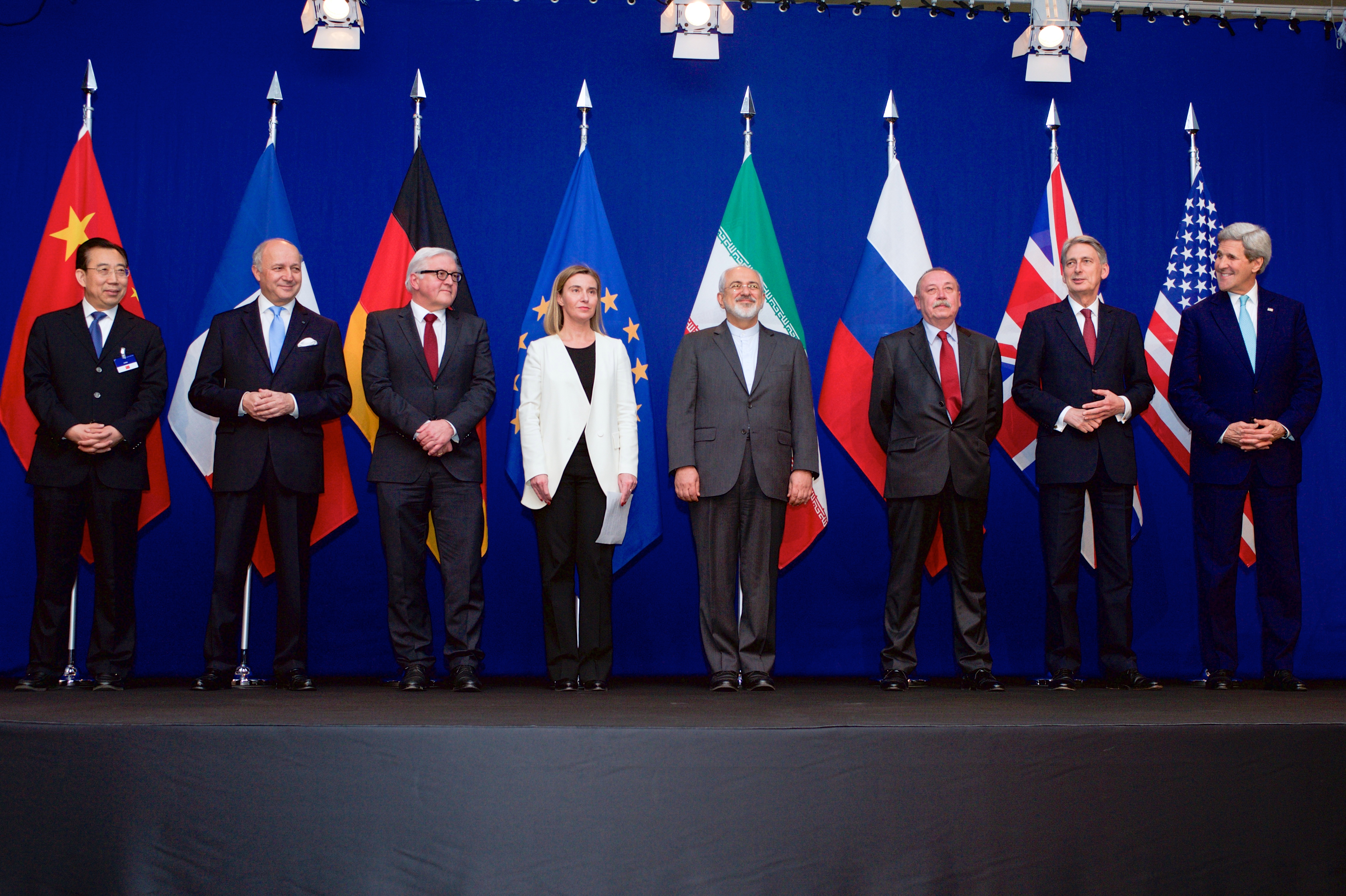
The JCPOA, commonly dubbed the Iran nuclear deal, was a landmark multilateral agreement inked on July 14, 2015. Its primary objective: to curb Iran's nuclear program in exchange for the lifting of crippling economic sanctions. This wasn't just a bilateral handshake; it was a complex negotiation involving Iran and the P5+1 countries (the United States, United Kingdom, France, Russia, China, plus Germany) alongside the European Union. The deal aimed to ensure Iran's nuclear activities remained strictly peaceful, preventing it from developing nuclear weapons for a specified period, while offering Iran significant economic benefits through sanctions relief. It was, at its heart, an ambitious gamble on diplomacy over confrontation.

⏳ A Brief History: From Promise to Peril

The road to the JCPOA was paved with decades of suspicion and intermittent diplomatic efforts. Preceded by numerous UN Security Council resolutions and concerns over Iran's uranium enrichment capabilities, the deal emerged from a period of heightened tensions. The election of Hassan Rouhani in 2013 signaled a potential shift in Iranian foreign policy, creating an opening for renewed negotiations. The P5+1, themselves a product of evolving global power dynamics, saw an opportunity to address the nuclear proliferation threat through a negotiated settlement rather than military intervention. The finalization in Vienna in 2015 was hailed by supporters as a triumph of multilateralism, though skeptics immediately pointed to its sunset clauses and enforcement challenges.

💥 The Deal's Core Mechanics: How It Worked

At its core, the JCPOA imposed strict limitations on Iran's nuclear infrastructure. Iran agreed to significantly reduce its stockpile of enriched uranium, limit the number and type of centrifuges used for enrichment, and redesign its Arak heavy water reactor to prevent plutonium production. In return, the sanctions relief was substantial, unfreezing billions of dollars in assets and allowing Iran to resume international trade, particularly in oil. The agreement also included a robust verification and inspection regime, granting international monitors unprecedented access to Iran's nuclear facilities.

📈 The Vibe Score: A Rollercoaster of Hope and Distrust

The Vibe Score for the JCPOA has been a volatile one, oscillating wildly between high hopes and deep-seated distrust. Initially, the deal registered a strong positive vibe (around 75/100) among proponents, seen as a diplomatic victory that averted a potential conflict and promoted regional stability. However, this was always tempered by a persistent undercurrent of skepticism (Vibe Score 40/100), particularly from hardliners in both Iran and the United States, who questioned the deal's long-term efficacy and Iran's commitment. The subsequent withdrawal of the US dramatically plummeted the vibe score, reflecting a profound sense of betrayal and renewed tension.

⚖️ Who Was Involved? The Key Players

The JCPOA was a product of intense negotiations involving several key actors. On the Iranian side, Mohammad Javad Zarif, the Foreign Minister, was a central figure, known for his diplomatic acumen. Representing the United States, then-Secretary of State John Kerry played a pivotal role in brokering the agreement. The P5+1 coalition itself was a complex entity, with Catherine Ashton (as EU High Representative for Foreign Affairs and Security Policy) and later Federica Mogherini coordinating European efforts. The IAEA was designated as the primary body responsible for verifying Iran's compliance, a critical, albeit often contentious, role.

💸 Sanctions Relief: The Economic Engine

The promise of sanctions relief was the primary economic incentive for Iran to agree to the JCPOA's stringent nuclear limits. The lifting of sanctions, which had severely hampered Iran's oil exports and access to international finance, was expected to inject billions of dollars into its economy. This relief was designed to improve the lives of ordinary Iranians and provide the government with resources for domestic development. However, the effectiveness of this relief was always debated, with some arguing that the remaining sanctions and the perception of risk deterred foreign investment, limiting the full economic benefits Iran anticipated.

🔍 Verification and Enforcement: The Watchdogs

Verification and enforcement were the linchpins of the JCPOA's credibility. The IAEA was tasked with conducting rigorous inspections of Iran's declared nuclear sites, including Natanz and Fordow, and had access to relevant facilities and materials. The agreement included provisions for "snap inspections" and the use of advanced monitoring technologies. However, the scope and depth of these inspections, particularly regarding Iran's military sites and potential undeclared nuclear activities, remained a persistent point of contention and a target for critics of the deal.

💔 The Unraveling: When the Deal Broke

The JCPOA's stability was irrevocably shattered on May 8, 2018, when then-U.S. President Donald Trump announced the United States' withdrawal from the agreement. This decision, driven by a desire to renegotiate a "better deal" and address what the administration termed "flaws" in the original accord, sent shockwaves through the international community. The reimposition of stringent U.S. sanctions immediately began to cripple Iran's economy, prompting Iran to gradually reduce its own commitments under the deal, escalating tensions and bringing the region closer to the brink of conflict. This unilateral action fundamentally undermined the multilateral nature of the agreement.

🤔 The Aftermath: A World Divided

The aftermath of the U.S. withdrawal has left a deeply fractured international landscape regarding Iran's nuclear program. While European signatories have strived to preserve the deal, their efforts have been largely unsuccessful in mitigating the impact of U.S. sanctions. Iran, facing immense economic pressure, has accelerated its nuclear activities, enriching uranium to higher purity levels and expanding its stockpile, thereby increasing its breakout time to a nuclear weapon. This has led to a dangerous cycle of escalation, with regional rivals like Saudi Arabia and Israel intensifying their calls for a more robust approach to Iran's nuclear ambitions.

🚀 What's Next? The Future of Iran's Nuclear Ambitions

The future of the JCPOA, and indeed Iran's nuclear program, remains highly uncertain and fraught with geopolitical risk. While diplomatic efforts to revive the deal have stalled, the underlying issues persist. Iran continues to advance its nuclear capabilities, and the international community grapples with how to prevent proliferation without resorting to military conflict. The potential for a regional arms race, or a desperate Iranian dash for a nuclear weapon, looms large. The legacy of the JCPOA is a stark reminder of the fragility of international agreements in the face of shifting political will and entrenched mistrust.

Key Facts

Year
2015
Origin
Vienna, Austria
Category
Geopolitics
Type
International Agreement

Frequently Asked Questions

What was the main goal of the JCPOA?

The primary goal of the Joint Comprehensive Plan of Action (JCPOA) was to prevent Iran from developing nuclear weapons by imposing strict limitations on its nuclear program. In return for these limitations, Iran was to receive significant relief from international economic sanctions.

Who were the main parties involved in the JCPOA negotiations?

The main parties involved were Iran and the P5+1 countries, which consisted of the five permanent members of the UN Security Council (China, France, Russia, the United Kingdom, and the United States) plus Germany. The European Union also played a crucial coordinating role.

What were the key concessions Iran made under the deal?

Iran agreed to significantly reduce its stockpile of enriched uranium, limit the number and types of centrifuges it could use for enrichment, and redesign its heavy water reactor at Arak to prevent the production of weapons-grade plutonium. These measures were designed to extend the time Iran would need to produce enough fissile material for a nuclear weapon.

Why did the United States withdraw from the JCPOA?

The United States, under President Donald Trump, withdrew from the JCPOA in May 2018, citing concerns that the deal did not adequately address Iran's ballistic missile program, its regional activities, or its "sunset clauses" (provisions that expire over time). The administration also sought to negotiate a "better deal."

What has been the impact of the US withdrawal on Iran's nuclear program?

Following the US withdrawal and the reimposition of sanctions, Iran began to gradually increase its nuclear activities. This has included enriching uranium to higher purity levels and accumulating larger stockpiles, thereby reducing its "breakout time" – the time it would take to produce enough fissile material for a nuclear weapon.

Are there ongoing efforts to revive the JCPOA?

There have been multiple rounds of indirect talks between Iran and the remaining parties to the JCPOA (and the US) aimed at reviving the agreement. However, these negotiations have faced significant hurdles, including disagreements over the scope of sanctions relief and the guarantees required for Iran to recommit to the deal's terms.