Vibepedia

Comedy | Vibepedia

Historical Significance Cultural Impact Controversial Topics
Comedy | Vibepedia

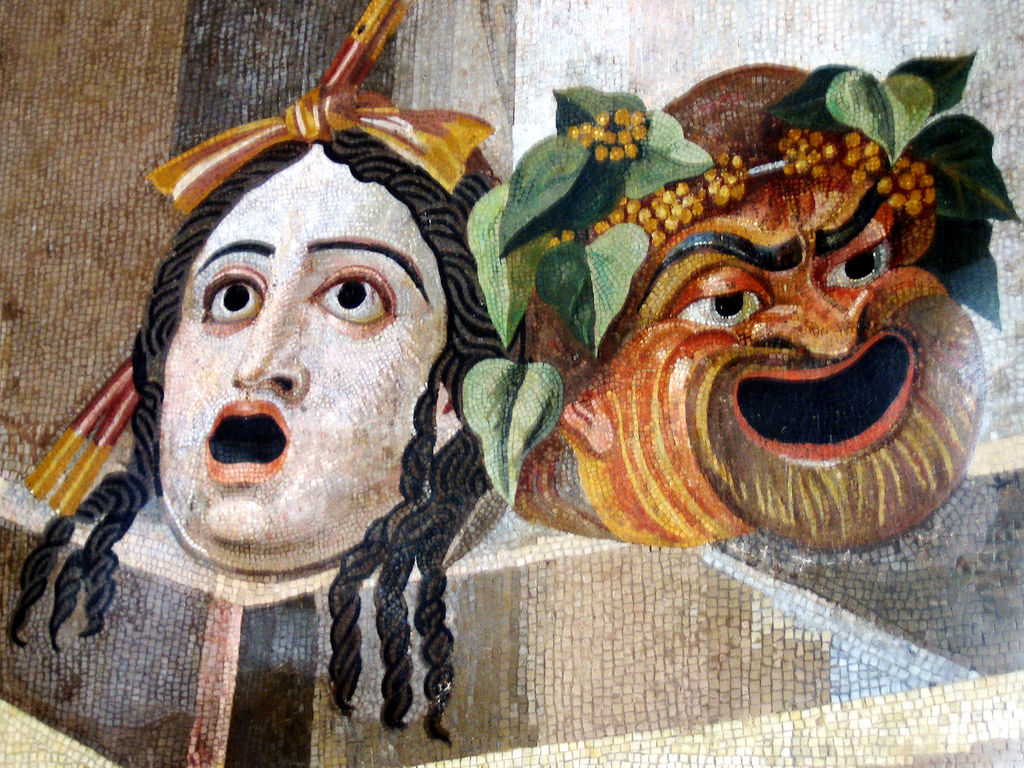
Comedy, a dynamic and evolving art form, has roots tracing back to ancient Greece with playwrights like Aristophanes. It serves as a mirror to society…

Contents

  1. 🎭 What is Comedy?
  2. 📍 Where to Experience Comedy
  3. 💰 The Cost of Laughter
  4. ⭐ Vibe Scores & Ratings
  5. ⚖️ Comedy vs. Tragedy: The Eternal Debate
  6. 💡 Key Elements of a Funny Bit
  7. 📈 The Evolution of Humor
  8. 🤔 Who's Making Us Laugh Today?
  9. 🌟 Top Comedy Venues & Platforms
  10. 🚀 Getting Started in Comedy
  11. 🗣️ The Social Impact of Laughter
  12. 🔮 The Future of Funny
  13. Frequently Asked Questions
  14. Related Topics

Overview

Comedy, at its heart, is the art of making people laugh. It's a genre that spans millennia and every conceivable medium, from ancient Greek plays to modern-day TikTok skits. Whether it's the biting satire of political satire, the physical absurdity of slapstick, or the witty wordplay of stand-up, the goal remains the same: to elicit amusement and joy. This genre thrives on observation, exaggeration, and the unexpected, often using humor to explore uncomfortable truths or simply provide a much-needed escape from the mundane. Understanding comedy means understanding human nature's inherent desire for levity.

📍 Where to Experience Comedy

Experiencing comedy live offers a unique cultural experience. Major cities worldwide boast dedicated comedy clubs like The Comedy Store in Los Angeles or The Stand in New York, offering nightly shows featuring both emerging talent and established stars. Beyond clubs, theatre productions often incorporate comedic elements, and film festivals frequently highlight new comedic cinematic works. For those preferring digital access, streaming platforms host vast libraries of comedy specials, and social media is a constant stream of user-generated humorous content.

💰 The Cost of Laughter

The financial commitment to comedy varies wildly. A ticket to a local open mic night might cost as little as $5-$10, often with a drink minimum. Major comedy shows featuring famous comedians can range from $30 to over $100 per ticket. Streaming comedy series or renting films typically involves subscription fees or per-rental costs, usually between $5-$15. For aspiring comedians, the cost can include classes, workshop fees, and travel to gigs, with initial investments often recouping slowly.

⭐ Vibe Scores & Ratings

Vibe Scores for comedy are notoriously dynamic, influenced by the performer, the audience, and the specific joke's reception. A packed house at a renowned club might score a 90/100 for energy, while a sparsely attended show could dip to 50/100. audience reviews on platforms like Yelp or Google often reflect this, with ratings for venues typically ranging from 3.5 to 4.8 stars. The 'Controversy Spectrum' for comedy is high, as humor often pushes boundaries, leading to debates about taste and appropriateness.

⚖️ Comedy vs. Tragedy: The Eternal Debate

The age-old dichotomy of comedy and tragedy, as explored by Aristotle in Poetics, remains a foundational concept. While tragedy elicits catharsis through pity and fear, comedy aims for laughter and relief, often by presenting flawed characters or absurd situations. Some argue that the most profound comedy contains tragic undertones, using humor as a coping mechanism for life's difficulties. Conversely, pure escapist comedy offers a complete departure from sorrow. The tension between these two genres highlights different facets of the human emotional spectrum.

💡 Key Elements of a Funny Bit

At the core of effective comedy lies a blend of relatable observation and unexpected twists. timing is paramount; a well-delivered punchline can land with explosive laughter, while a poorly timed one falls flat. misdirection plays a crucial role, setting up an expectation only to subvert it hilariously. characterization in comedy often involves exaggerated traits or relatable flaws that audiences can connect with or laugh at. Finally, wordplay, whether puns, double entendres, or clever phrasing, adds another layer of amusement.

📈 The Evolution of Humor

The history of comedy is a fascinating journey from the bawdy performances of ancient Rome and the satirical wit of Molière to the silent film antics of Charlie Chaplin and the groundbreaking television of I Love Lucy. The 20th century saw the rise of stand-up comedy as a distinct art form, evolving through the observational humor of Lenny Bruce to the more personal storytelling of modern comedians. The digital age has further democratized comedy, allowing for rapid dissemination and the emergence of new formats and styles, from viral memes to niche internet humor.

🤔 Who's Making Us Laugh Today?

Today's comedy landscape is incredibly diverse. Figures like Dave Chappelle continue to push boundaries with their specials, while comedians such as Ali Wong and Taylor Tomlinson have found massive success with relatable, personal narratives. The rise of TikTok comedians and YouTubers has created entirely new avenues for humor, often characterized by short-form, rapid-fire content. The influence flows from established media to online platforms and back, with many comedians building their careers through a multi-platform approach.

🌟 Top Comedy Venues & Platforms

For those seeking a curated comedy experience, certain venues stand out. The Laugh Factory in Hollywood, Caroline's on Broadway in New York, and The Improv chain are legendary institutions. Online, Netflix and HBO Max offer extensive libraries of stand-up specials. For aspiring performers, The Upright Citizens Brigade Theatre in NYC and LA provides training and performance opportunities. Podcasts like 'Comedy Bang! Bang!' offer a glimpse into improvisational and surreal humor.

🚀 Getting Started in Comedy

Embarking on a comedy journey requires courage and persistence. Aspiring comedians can start by attending open mic nights to test material and gain stage time. Taking improv classes can significantly hone comedic timing and quick thinking. Studying the work of great comedians, both past and present, provides invaluable insight into technique and delivery. Building a presence online through platforms like YouTube or Instagram can also help develop an audience and showcase comedic talent.

🗣️ The Social Impact of Laughter

Laughter is a powerful social lubricant and a potent tool for commentary. Comedy can unite disparate groups, fostering shared experiences and understanding. It also serves as a vital mechanism for social critique, allowing complex or sensitive issues to be addressed in a more accessible way. From political cartoons to satirical news shows like The Daily Show, humor can disarm audiences and encourage critical thinking. The collective act of laughing can strengthen social bonds and create a sense of community.

🔮 The Future of Funny

The future of comedy is likely to be even more fragmented and personalized, driven by algorithms and niche online communities. Expect further innovation in interactive comedy experiences, potentially blending VR/AR with live performance. The ongoing debate about censorship and 'cancel culture' will continue to shape what is considered acceptable humor, potentially leading to more experimental or underground forms of comedy. The definition of 'funny' will undoubtedly continue to evolve as new generations find new ways to express themselves.

Key Facts

Year
400 BC
Origin
Ancient Greece
Category
Performing Arts
Type
Cultural Phenomenon

Frequently Asked Questions

What's the difference between stand-up and improv comedy?

Stand-up comedy involves a performer delivering pre-written jokes and stories directly to an audience, often with a specific persona or theme. Improv comedy, on the other hand, is unscripted and spontaneous. Performers create scenes, characters, and dialogue on the spot, usually based on audience suggestions. While both aim to be funny, stand-up relies on crafted material, whereas improv thrives on quick thinking and collaborative creation.

How do I find a good comedy club near me?

You can typically find local comedy clubs by searching online maps (Google Maps, Apple Maps) for 'comedy clubs' or 'stand-up comedy.' Websites like Yelp, TripAdvisor, and local event listings (e.g., Time Out, local newspapers) often feature reviews and show schedules. Many clubs also have their own websites and social media pages where they post upcoming lineups and ticket information.

Is comedy always meant to be offensive?

No, comedy is not inherently offensive, but it often pushes boundaries to provoke a reaction, which can sometimes be perceived as offensive. The intent of comedy varies widely; some comedians aim for lighthearted observation, while others use shock value or satire to critique society. What one person finds funny, another might find offensive, making humor a highly subjective and often debated art form. The context, delivery, and audience all play a role in how humor is received.

What are the most common types of jokes?

Common joke structures include the setup-punchline format, where the setup creates an expectation and the punchline subverts it. Observational humor points out the absurdities in everyday life. One-liners are short, pithy jokes. Puns and wordplay rely on double meanings or similar-sounding words. Anecdotal jokes are short stories with a humorous conclusion. Self-deprecating humor involves making fun of oneself.

Can comedy be used for political commentary?

Absolutely. Political satire and commentary are significant subgenres of comedy. Comedians often use humor to critique politicians, policies, and societal issues, making complex topics more accessible and engaging for the public. Shows like 'The Daily Show' or 'Saturday Night Live' have built entire formats around political humor, using sketches, monologues, and fake news segments to comment on current events. This form of comedy can be a powerful tool for raising awareness and encouraging critical thinking.

What is a 'Vibe Score' in the context of comedy?

A 'Vibe Score' on Vibepedia is a proprietary metric (0-100) measuring the cultural energy and resonance of a specific comedic performance, venue, or trend. It considers factors like audience engagement, performer energy, critical reception, and overall buzz. A high Vibe Score indicates a highly energetic and culturally relevant comedic experience, while a low score suggests less impact or a subdued atmosphere.