
Contents
Overview
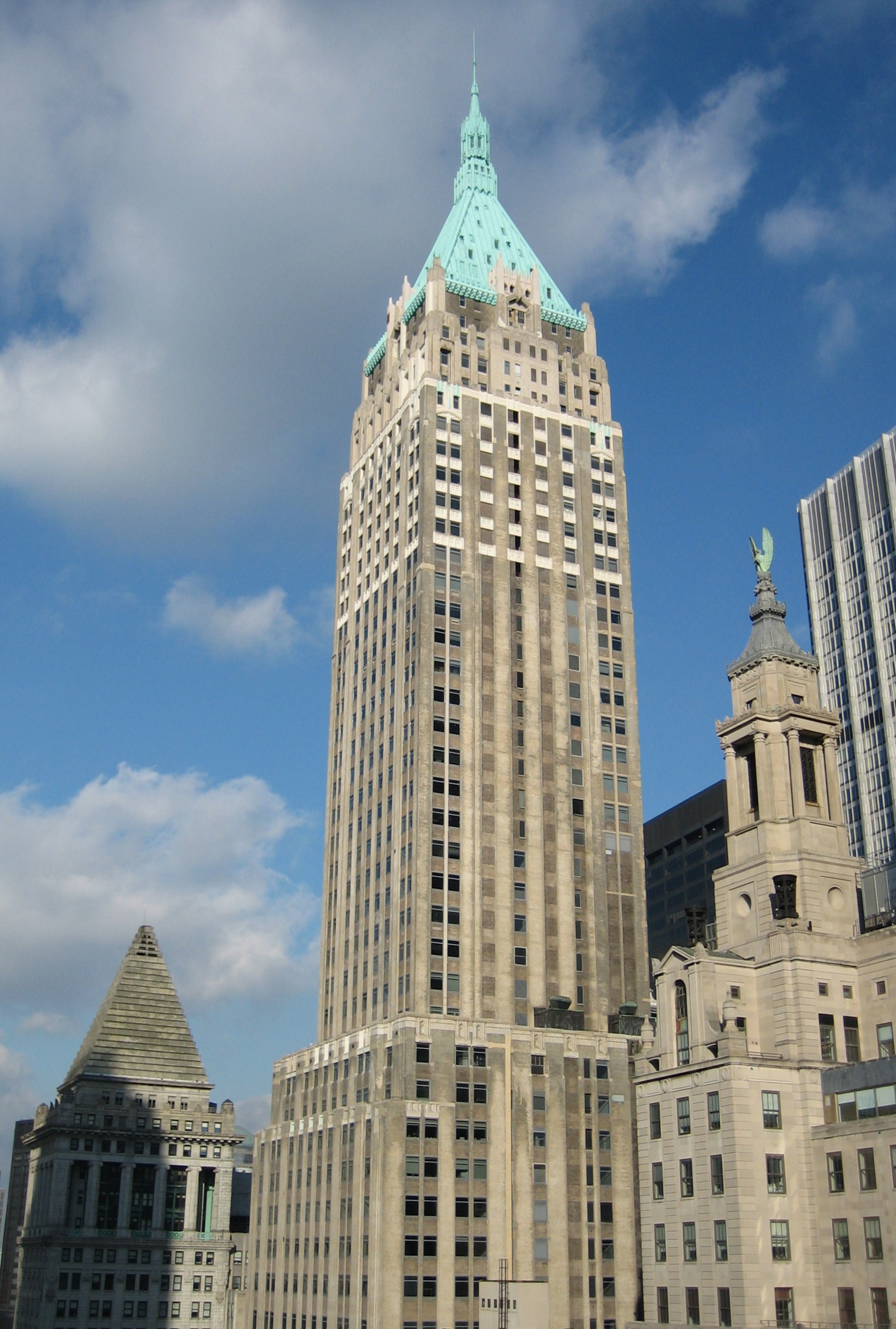
40 Wall Street was conceived during the peak of Manhattan's 1920s real estate speculation boom, when post-war prosperity fueled intense competition among developers to build the world's tallest skyscraper. The 40 Wall Street Corporation was formed in 1929 by Wall Street financier George Lewis Ohrstrom and the Starrett Corporation to construct a speculative office tower for the Manhattan Company (Bank of Manhattan) as its anchor tenant. When the project was announced in April 1929, the building was planned to be the world's tallest, representing the ambitions of the era's most aggressive real estate investors. The architectural vision combined Neo-Gothic elements with modern skyscraper design, featuring elaborate French gothic crown and spire details that would become iconic to the New York skyline. This period of frenzied development reflected the same speculative fervor that would contribute to the Stock Market Crash later that year.
⚙️ Engineering Marvel & Construction
The construction of 40 Wall Street stands as one of the greatest engineering feats of the era, completed in just eleven months between May 1929 and May 1930. The Starrett Corporation, which would later go on to construct the Empire State Building, served as the general contractor and demonstrated extraordinary construction prowess by erecting four stories per week despite the crowded Manhattan site with limited space for material storage. In July 1929, William A. Starrett drove the first rivet into the building's steel frame, and the company received a $5 million loan to finance the project. The steel superstructure reached the 40th story by September 1929, and the building topped out on November 13, 1929, with the steel frame reaching 900 feet above street level. The facade installation proceeded simultaneously with interior work, utilizing innovative curtain wall hanging techniques from the completed steel frame. By the time of topping out, much of the internal furnishing had already been completed, showcasing the coordinated complexity of modern construction management that would influence future projects like the Empire State Building.
🌍 The Chrysler Building Rivalry
The most dramatic chapter in 40 Wall Street's history involves its intense competition with the Chrysler Building, a rivalry that captivated the press and public imagination. Architect H. Craig Severance had recently dissolved his professional partnership with William Van Alen, the architect of the Chrysler Building, adding personal stakes to the architectural competition. Both towers were topped out within a year of their first steel columns, but Van Alen executed a brilliant strategic move by secretly constructing a 185-foot aluminum spire inside the Chrysler Building's fire shaft. After 40 Wall Street was completed and topped out, Van Alen hoisted the hidden spire from inside the tower, bringing the Chrysler Building's height to 1,046 feet and claiming the title of world's tallest building. 40 Wall Street held the distinction of world's tallest for only two months, from April to May 27, 1930, before losing the race to its rival. This competition exemplified the era's architectural ambition and the role of media in dramatizing technological achievement, similar to how modern competitions drive innovation in Artificial Intelligence and technology development.
🔮 Legacy & Modern History
40 Wall Street's post-completion history proved far less triumphant than its construction achievement. The building opened after the Stock Market Crash of 1929, and many prospective tenants reneged on their leases, leaving the building significantly underutilized for years; it was not fully rented until 1944, nearly fifteen years after completion. The building's misfortune continued when an army transport plane en route to Newark Airport crashed into the fifty-eighth floor in 1946, killing all five people aboard. At the time of its sale, 40 Wall Street was considered the most valuable real estate property ever auctioned in New York City, with Webb & Knapp spending $32 million to acquire it. The building was officially designated a New York City landmark and added to the National Register of Historic Places on June 16, 2000, recognizing its architectural and historical significance. In modern times, the building underwent significant renovations in the 1990s under architect Der Scutt Architects, who replaced windows, renovated the lobby, and illuminated ceilings, transforming the declining icon into a successful residential and office building that demonstrates how historic preservation can revitalize structures from earlier eras of New York's architectural heritage.
Key Facts
- Year
- 1929-1930
- Origin
- New York City, Manhattan
- Category
- history
- Type
- place
Frequently Asked Questions
How long did it take to build 40 Wall Street?
40 Wall Street was constructed in an unprecedented eleven months, from May 1929 to May 1930. The contractors, Starrett Brothers & Eken, completed four stories per week despite the crowded Manhattan site with limited space for material storage. This rapid construction was considered an extraordinary engineering feat and demonstrated the advanced construction management techniques that would later be applied to the Empire State Building.
Did 40 Wall Street ever hold the title of world's tallest building?
Yes, but only briefly. 40 Wall Street held the title of world's tallest building for approximately two months, from April to May 27, 1930. The Chrysler Building then claimed the title when architect William Van Alen hoisted a secret 185-foot aluminum spire that had been constructed inside the Chrysler Building's fire shaft, bringing its total height to 1,046 feet compared to 40 Wall Street's 927 feet.
Why was 40 Wall Street not fully rented until 1944?
40 Wall Street opened after the Stock Market Crash of 1929, which devastated the real estate market and the broader economy. Many prospective tenants who had committed to leasing space reneged on their agreements, leaving the building significantly underutilized. The building did not achieve full occupancy until 1944, nearly fifteen years after its completion, reflecting the prolonged economic depression that followed the crash.
What architectural style is 40 Wall Street?
40 Wall Street is a Neo-Gothic skyscraper designed by H. Craig Severance and Yasuo Matsui. The building features characteristic Neo-Gothic elements including pinnacles, gargoyles, and other decorative elements that emphasize verticality, combined with modern skyscraper design. It includes an elaborate crown and spire in French gothic style, representing one of the last major expressions of the Neo-Gothic movement, which had been influential for nearly 200 years by the time of its completion in 1930.
What happened to 40 Wall Street after its initial struggles?
After decades of underutilization and a tragic 1946 plane crash into the 58th floor, 40 Wall Street was eventually recognized for its architectural and historical significance. The building was designated a New York City landmark and added to the National Register of Historic Places on June 16, 2000. Subsequent renovations in the 1990s by architect Der Scutt Architects transformed it into a successful residential and office building, demonstrating how historic preservation can revitalize structures from earlier eras of New York's architectural heritage.
References
- en.wikipedia.org — /wiki/40_Wall_Street
- s-media.nyc.gov — /agencies/lpc/lp/1936.pdf
- skyscraper.org — /tallest-towers/40-wall-street/
- culturenow.org — /site/40-wall-street
- buildingsdb.com — /NY/new-york/40-wall-street-building/
- untappedcities.com — /the-top-10-secrets-of-40-wall-street-the-trump-building-in-nyc/